New NHS bone scanners are arriving across England, giving the nation’s skeletons a rare chance to be taken seriously before one stages a dramatic resignation through the ankle.
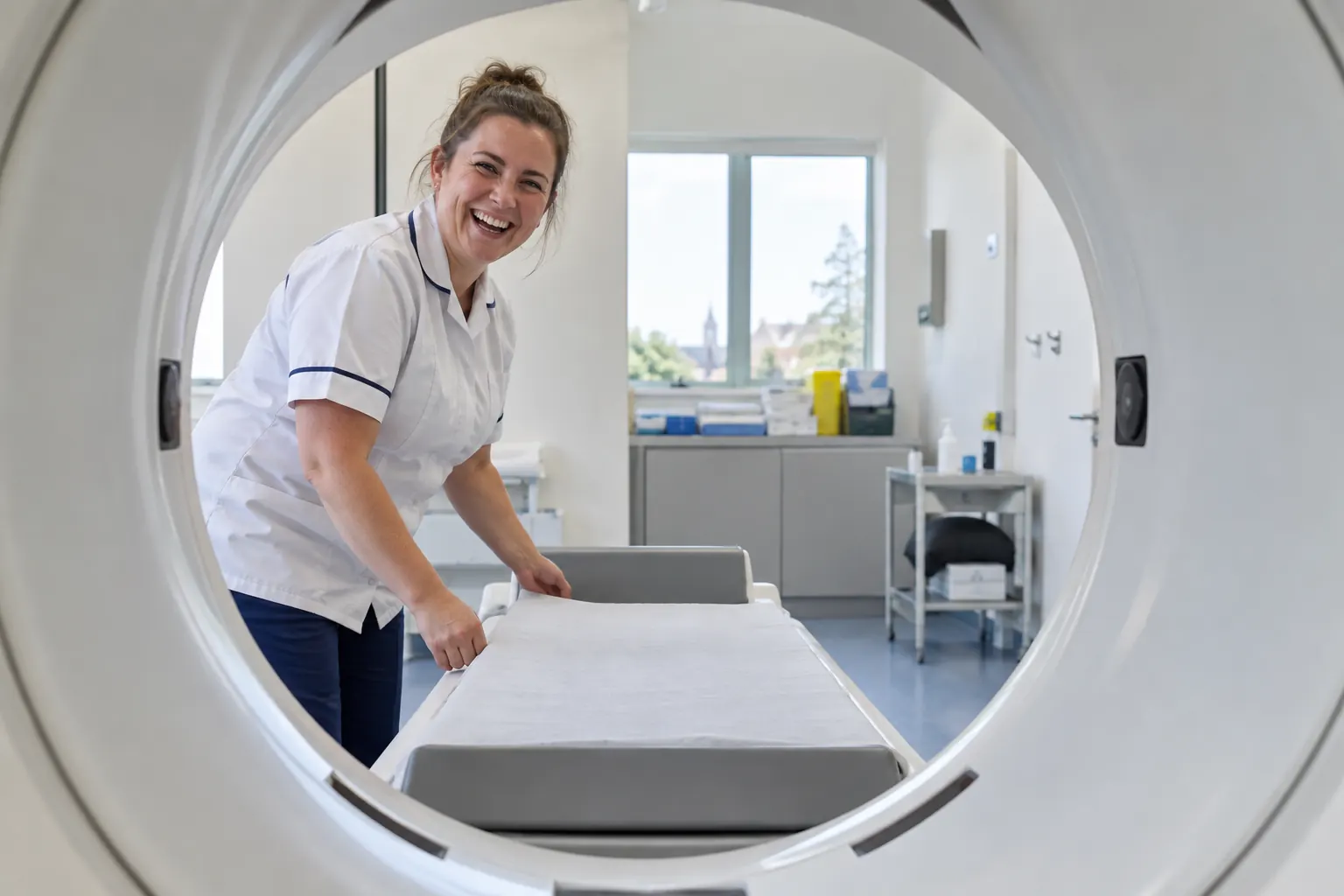
The government says 20 new DEXA scanners will help diagnose osteoporosis and other bone conditions earlier. Tens of thousands of patients are expected to benefit, particularly women at higher risk. At last, the country’s framework may receive attention before it submits a formal complaint by collapsing in the kitchen.
DEXA machines measure bone density and are regarded as the diagnostic gold standard for osteoporosis and fracture risk. They are also a useful reminder that the body has been keeping detailed records all along, while the health service has sometimes asked it to explain the problem after impact.
The investment includes six additional scanners and 14 replacement machines. Outdated equipment can now retire after years of making modern medicine look like a punishment administered by a filing cabinet. The replacements are intended to improve image quality and expand capacity across NHS trusts in England.
The programme builds on a first wave of 13 scanners announced in 2025, with 10 already in use. The government says more than 16,000 additional DEXA scans were delivered in 2025 compared with the previous year. The skeleton is therefore moving up the waiting list, although nobody has explained whether it first had to break something to qualify.
Earlier diagnosis can help patients begin medication and make lifestyle changes before a fragile bone turns an ordinary trip to the bathroom into a family logistics exercise. A scan is quieter than a fracture, less expensive than a hospital admission and much less likely to cancel everyone’s weekend.
The machines are also intended to improve access for people who have faced difficult journeys for specialist scans. That matters especially for people with mobility problems or long term conditions. The NHS has finally found a way to bring the scanner closer to the patient, after years in which the patient was apparently expected to bring their skeleton closer to the scanner.
The announcement presents prevention as progress, while also admitting that bone health services and fracture liaison teams remain under pressure. A machine can produce an image, but it cannot staff a clinic, interpret a result or persuade a waiting list to develop a conscience. Still, Britain may soon identify a health problem before it becomes visible from the other side of the room. The bones are preparing a thank you note, provided they can get an appointment with someone qualified to read it.
Source: Department of Health and Social Care and NHS England.