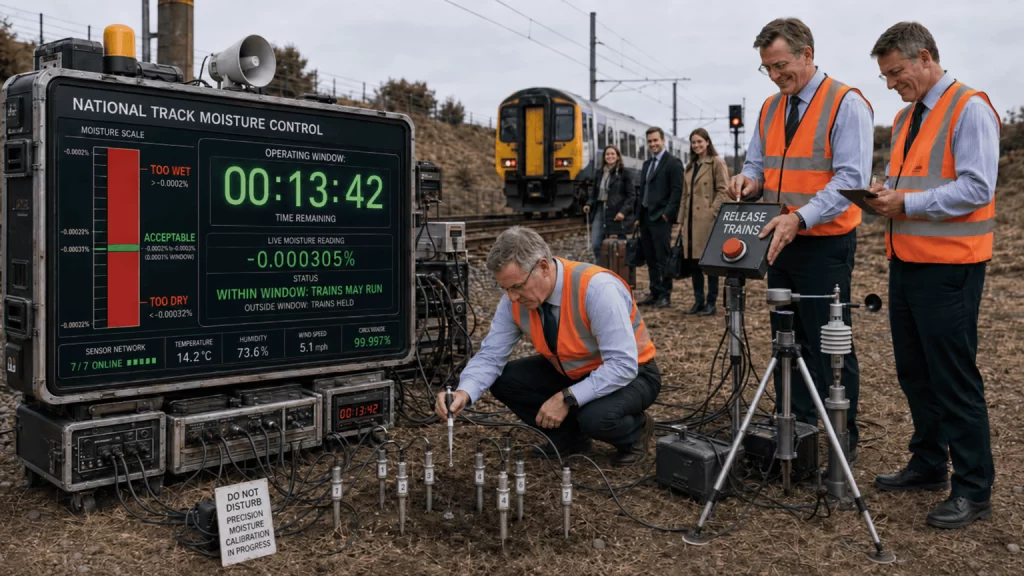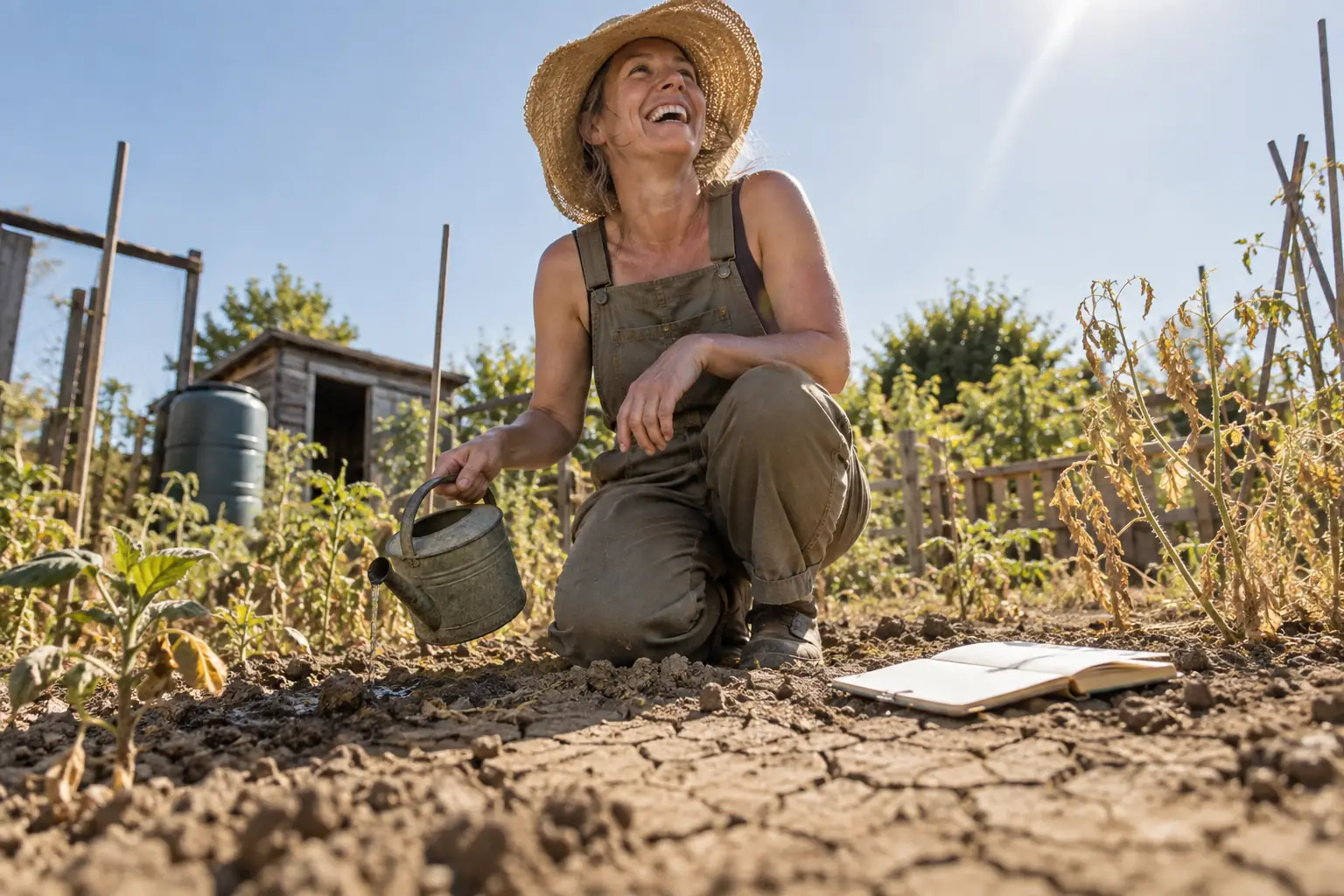
Defra has announced £47 million to protect and improve England’s peatlands, proving that even the ground beneath Britain can now receive a targeted funding package, three delivery partners and a deadline. The money will support water management, wetter farming and the people needed to restore damaged peat. The moss has welcomed the news, although it would like it placed somewhere less dry.
The funding forms part of the 2026 to 2030 Peat Programme, worth approximately £85 million. It is intended to reduce carbon emissions, support nature recovery, protect rural communities from wildfire and flooding, and help rural economies. Peat has therefore been promoted from damp soil to strategic national asset, which is awkward news for anyone who spent centuries treating it as a convenient place to drain.
One scheme will fund infrastructure to raise and manage water tables in lowland peat. Another will support research into crops grown on wetter ground, including wetland plants and bulrush. A third will pay for training, apprenticeships, equipment and community engagement in peatland restoration.
This gives the landscape a coherent plan. It also gives the moss something it has never previously enjoyed, a workforce development strategy. In its fictional response, the moss said it was pleased to see apprenticeships created for people who could tell the difference between a functioning bog and a field that had been given a positive press release.
The central challenge is less glamorous than the announcement. Much of England’s peat is dry and degraded because it has been drained for agriculture. Restoring it means managing water carefully while considering farming, food production and local livelihoods. The solution is not simply to order the countryside to become soggy and hope everyone respects the timetable.
Officials have set a target to restore 280,000 hectares by 2050. That is a considerable ambition for a substance whose chief public characteristic is refusing to move. The applications, however, are moving briskly, with deadlines in July, August and September. Somewhere, a bog is learning that nature recovery has a closing date.
The moss has now requested a simpler form, a waterproof clipboard and confirmation that nature recovery is not another way of saying it must attend a meeting about drainage. The mud is not being asked to submit an application, presumably because it already has the strongest possible relationship with government. It is everywhere, it is difficult to remove and somebody has been promising to manage it for years.
Source: GOV.UK.