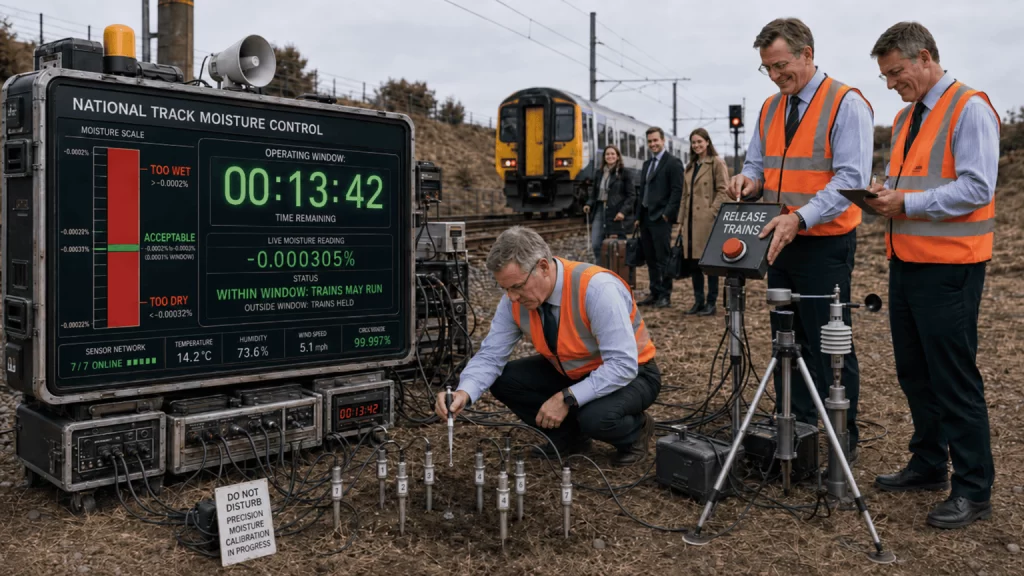
Northern rail passengers are being offered simpler cross operator advance fares, removing one of the railway’s most durable traditions: asking people to pay three different prices for the same journey and calling the answer flexibility.
The initiative involves publicly owned operators including Northern, TransPennine Express and LNER, working with Network Rail to make advance tickets available across more of a journey. It follows analysis of mobile network data, which identified routes where people were choosing other forms of transport despite competitive rail journey times.
The investigation found that advance fares were often available for only one leg of a journey involving more than one operator. Passengers could book ahead for Leeds to Manchester, then discover that the second half required the financial instincts of a commodities trader and the patience of a saint with a spreadsheet.
At the Directorate of Plausible Connections, transport analyst Margo Platform welcomed the reform. “The passenger should be able to buy one journey,” she said. “We considered making that journey involve four websites and a small act of personal repentance, but decided to start with the ticket.”
The scheme expands cheaper advance options on selected routes and is intended to encourage more people to use the railway. A fare table has responded by insisting that confusion was never a defect, merely an immersive customer experience delivered at no extra charge.
Chief Ticketing Anthropologist Noel Junction said the change represented a bold new approach. “For years, the industry has treated a cross operator journey as a thrilling puzzle,” he said. “Now passengers may receive a price before boarding, which experts believe could undermine the entire romance of public transport.”
The government says the data driven approach will help identify further routes where clearer fares might attract passengers. This has left a paper ticket feeling unusually exposed, having spent decades believing its main competition was the weather.
A station bench has begun preparing for increased demand with a marketing strategy based on being dry, available and less complicated than the ticketing system. It has already secured the slogan “Sit down, pay once, leave disappointed only by the timetable.”
The ticket machine has accepted the reform with dignity. It has removed its favourite riddle about changing at York and replaced it with one button marked “buy ticket”. Passengers have been advised not to press it until they have checked three apps, consulted a stranger and demonstrated sufficient emotional resilience to the machine.
Real story: Department for Transport.