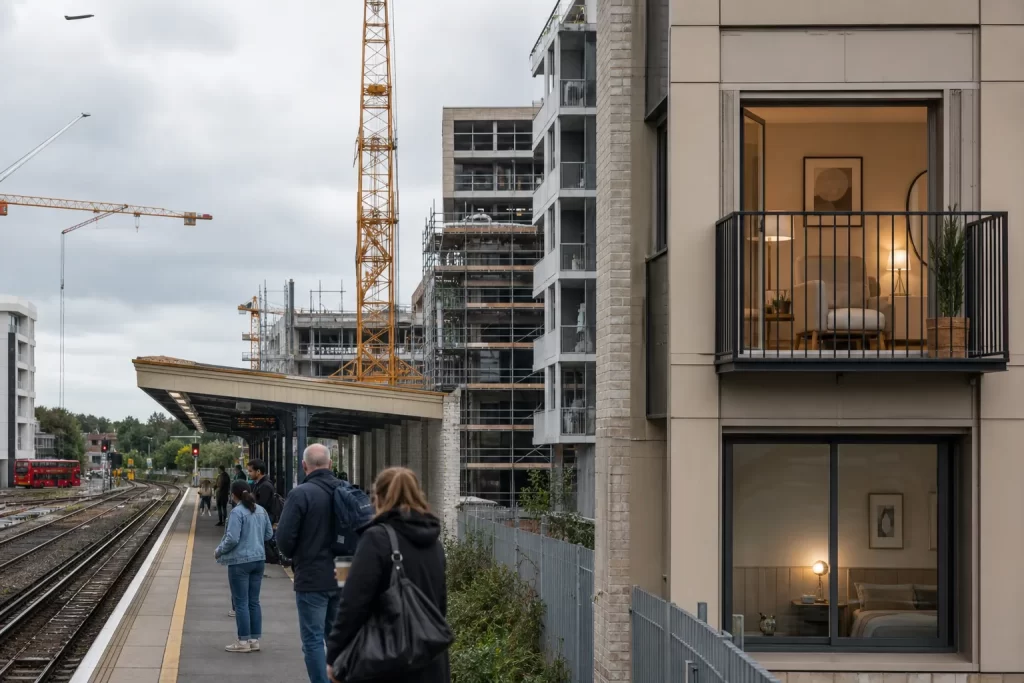
Rail applications recreate the authentic platform wait
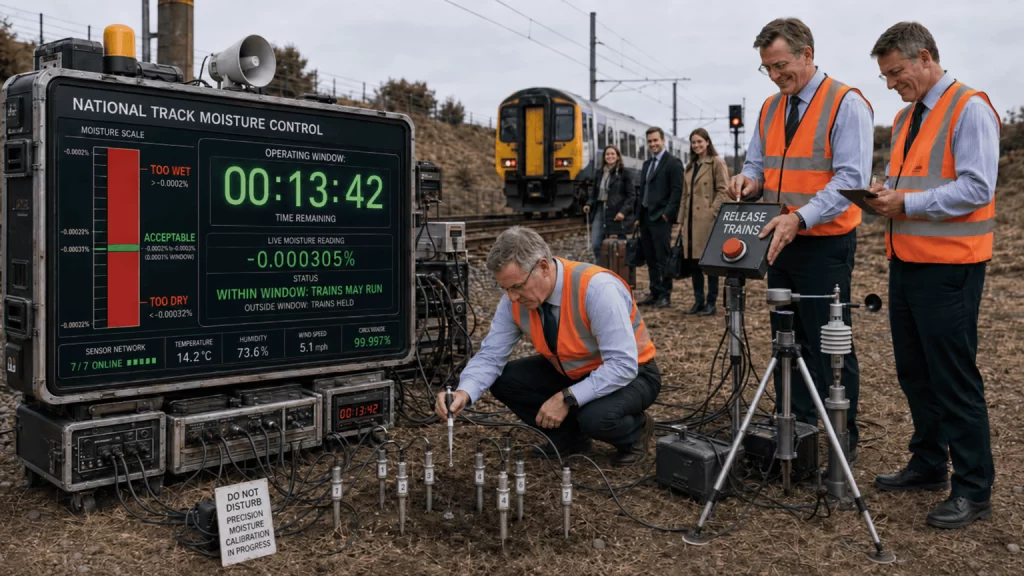
Twenty-five rail applications arrived after the industry deadline for publishing the May timetable. The paperwork has therefore mastered the central railway skill of appearing later than advertised.
Operators submitted 28 requests for extra or different track capacity. However, only three reached the process before the deadline. Those applications must have caught the earlier form.
The Office of Rail and Road approved the requests before the timetable changed on 18 May. Consequently, operators gained contractual certainty. Passengers received the more familiar variety, which involves checking three apps and staring down the track.
“Every late application was delayed by paperwork ahead,” said Lionel Siding, Controller of Administrative Signals. “We apologise for the inconvenience to anybody expecting chronology.”
At the Bureau of Timetabled Timetables, staff explained the D12 milestone. It occurs 12 weeks before change day and several emotional decades before anyone knows which train will actually run.
Meanwhile, Network Rail used short-term access at nine interacting locations. The phrase sounds like speed dating for locomotives, except every participant brings a lawyer and a capacity diagram.
Still, approval prevents services from entering the timetable without the right to use the network. This seems useful. It also confirms that even trains need permission to be trains before passengers can complain that they are not there.
Read the real story: the ORR report on rail applications and access rights.