Thameslink seat cushions have risen from a minor commuter grievance to a national achievement. The government says more than 60,000 cushions across all 115 trains will be upgraded from 2027. New springs, memory foam and winged backrests promise up to 57% more give. This is excellent news for passengers who have spent years travelling on what looked like a laminated ironing board.
The announcement arrived during the drive to improve journeys before Great British Railways appears. It also marked 100 days since GTR entered public ownership. Ministers can now present a softer seat as proof that the railway has entered a new age of public service. Nobody needs to ask the train to arrive just yet.
The work sits inside a pre existing contract between GTR and Siemens Mobility. The government says it brings no additional cost to taxpayers. That sentence makes a Treasury official sit upright, feel a brief flash of optimism and wonder whether finance has inspected the cushion.
Thameslink seat cushions lead the comfort revolution
The new design followed passenger feedback. A sample was available at London Bridge station, where the plain unmarked train seat reportedly discovered the intoxicating power of being consulted.
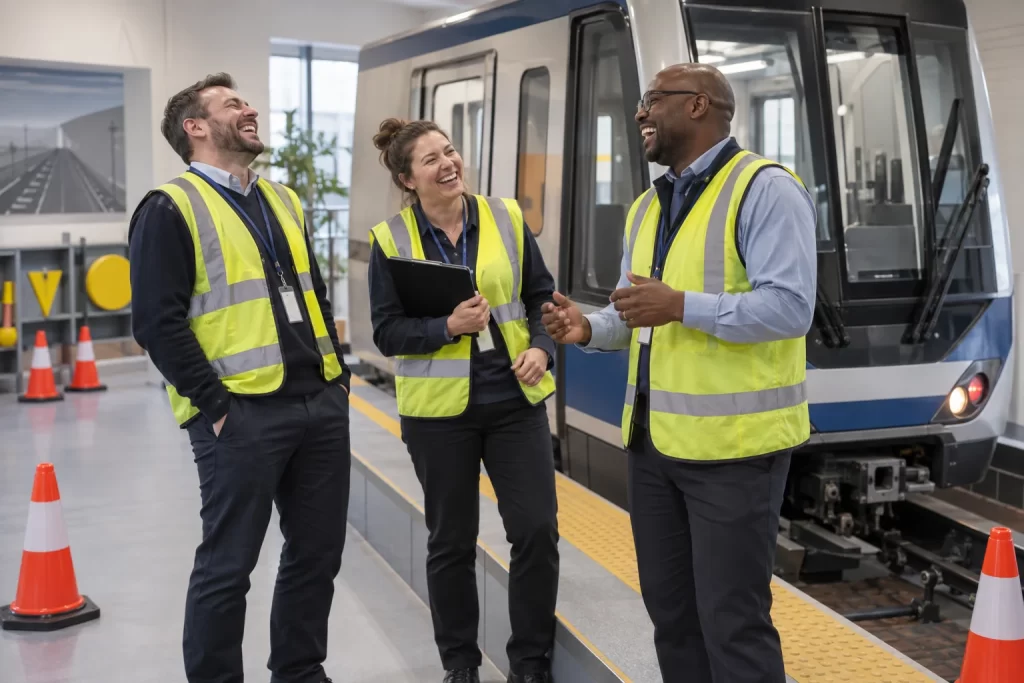
Alongside the Thameslink seat cushions, the programme includes improved backrests and tables on 69 trains. It also includes refreshed exteriors and updated toilet interiors. Britain is therefore pursuing railway reform in its most recognisable form. It is improving the object people sit on while repainting the things they try not to examine.
The work will take place over two years as part of an 11 year fleet overhaul. Progress will arrive one carriage at a time. Passengers can admire a national transformation while trapped beside the same stranger. More Gatwick Express services are also planned from December 2026. This may give the new upholstery something to look at while waiting.
None of this makes a delayed train punctual. It does establish a useful principle. When millions of people complain about a hard seat for long enough, an institution may eventually replace it. It might even skip the consultation on the emotional meaning of firmness.
The plain unmarked train seat has submitted its improvement plan. It requests a table, a working toilet and a railway that arrives before the cushion develops a more reliable timetable than the train. At last, public ownership has found a seat that can carry the whole argument.
Source: GOV.UK.