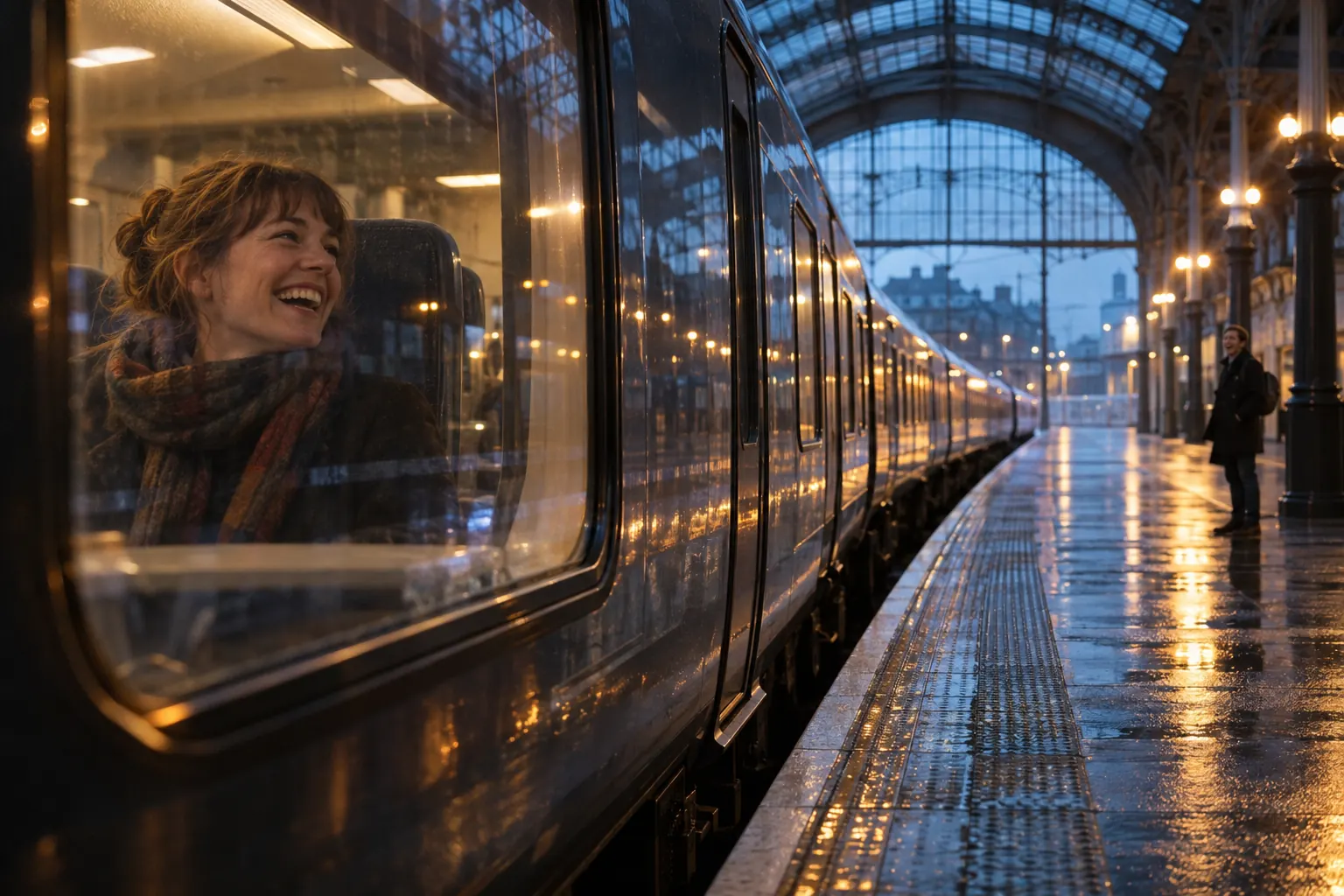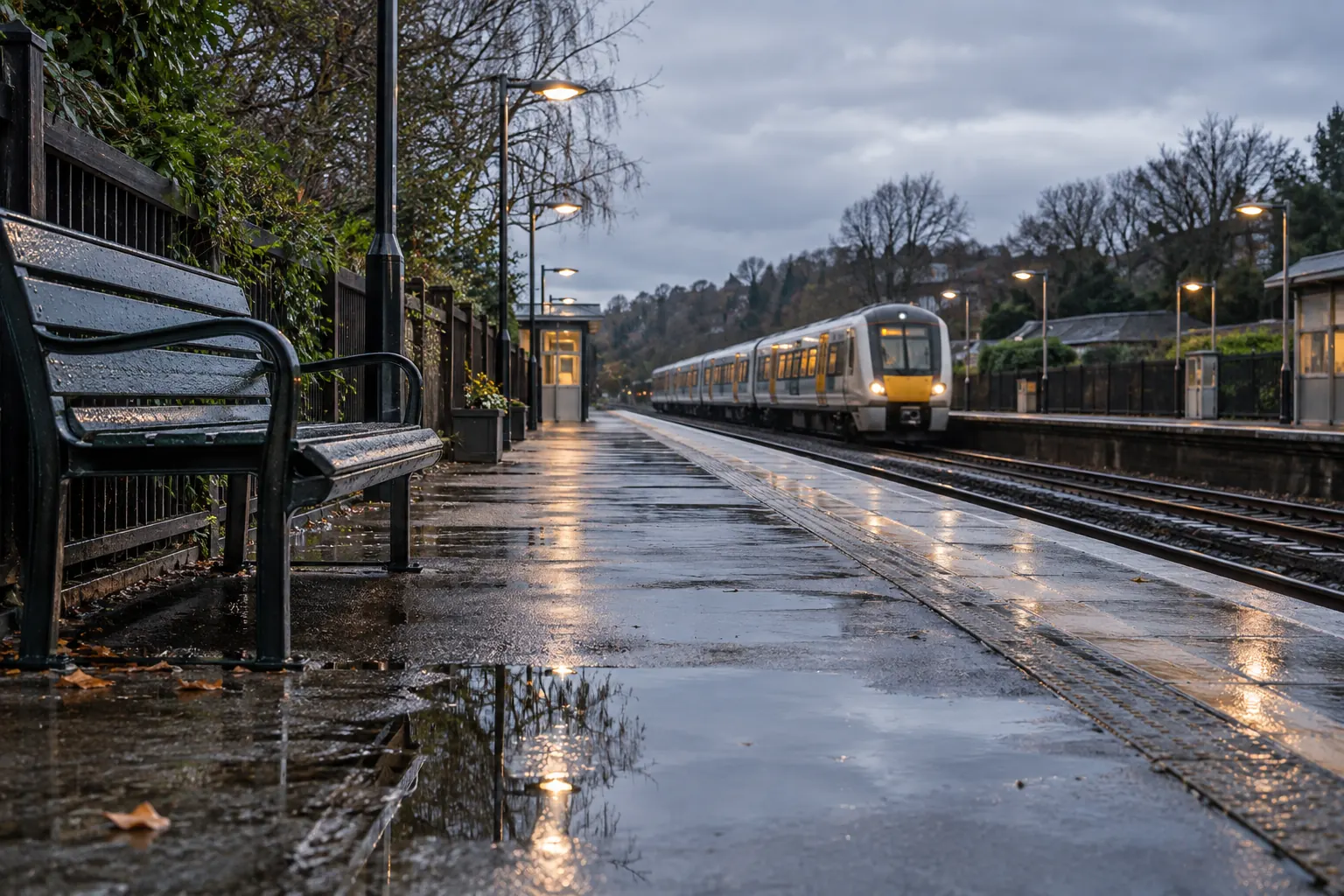
The GTR public ownership transfer 2026 has been announced for 31 May, giving the South East a fresh reason to inspect the timetable with suspicion. The platform bench welcomes the plan, although it would like to see the train arrive before applauding the reform.
The Department for Transport says the change will put around eight in ten passenger rail journeys under publicly owned operators ahead of Great British Railways. It also promises more Gatwick Airport trains, more drivers, cleaner toilets, improved signalling and direct disruption advice through WhatsApp. This is not quite a revolution. It is a list of things passengers have requested while standing beneath a board that says information is temporarily unavailable.
GTR public ownership transfer 2026 and the basic railway
The announcement presents public ownership as a route to a more reliable and accountable railway. That gives the platform bench a difficult feeling. Accountability usually arrives with a speech, a logo and a timetable that remains mysteriously confident about trains that have not appeared.
The practical promises are harder to mock because they are practical. More drivers may reduce cancellations. Better signalling may prevent delays. Refreshed toilets may stop a routine journey becoming an archaeological expedition. The modern railway has reached the thrilling stage at which a clean lavatory counts as infrastructure policy, and nobody can call that an unreasonable ambition.
GTR also plans to train 110 Travel Safe Officers and offer customer support through WhatsApp. The priorities now form a neat national sequence. First, keep the train moving. Then, keep the toilet usable. Finally, provide a channel where passengers can receive an explanation before the train, the toilet or both become unavailable.
A transfer with a timetable attached
Public ownership is presented as the backbone of a simpler, unified railway. The phrase has considerable confidence for a system containing several names, overlapping responsibilities and passengers holding tickets like evidence in a trial. The bench has asked whether the backbone will also tell the ribs where the train has gone.
The GTR public ownership transfer 2026 is therefore a test of whether a change in ownership can change ordinary experience. The supplied announcement supports the planned transfer and its proposed measures. It does not establish that the transfer had already happened when the announcement was published. For now, the bench is reserving judgement and keeping one dry corner available for the first passenger who can explain the timetable.
Great British Railways may eventually make the network simpler. Until then, the platform bench will recognise the new era when a train arrives as advertised, the toilet has a door and the help channel replies before the passenger reaches their destination on foot.
Source: GOV.UK.