England’s Land Use Framework has arrived with plans for homes, nature restoration, clean energy and food security. At last, every field can look forward to a calendar, a clipboard and a firm policy on conflicting invitations.
The Government says England has enough land to deliver all these objectives, provided it is used more efficiently and for multiple benefits. This gives the countryside a group project, although the countryside has not been told who is bringing the flipchart or why the deadline is 2030.
The hedgerow wants more nature. The field wants food. The turbine wants a clear view. New homes want somewhere to stand. Nobody has yet asked the mud for minutes, despite its long experience of absorbing the consequences of planning decisions.
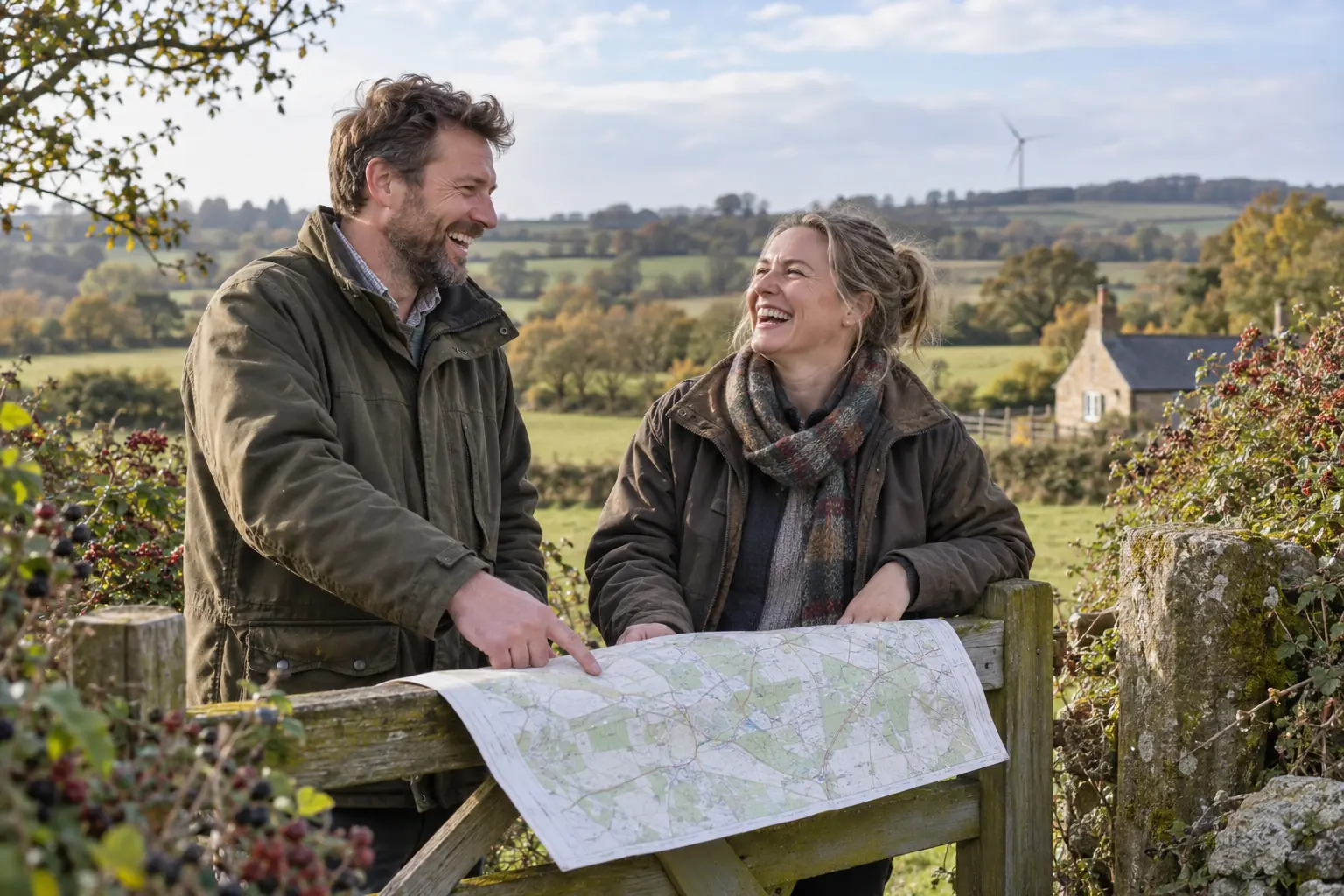
The framework is England’s first of its kind and aims to replace fragmented decisions with a more joined up approach. It proposes a single map of national spatial priorities, which should make it easier for landowners, planners and energy providers to decide what happens where. It may also make it possible for everyone to disagree while pointing at the same colour coded patch.
One area of land could therefore be expected to support food production, protect nature, manage flood risk, generate clean energy and accommodate development. This is not technically the same as asking a village hall to become a farm, a power station and a wetland, but the meeting will probably need similar catering and a breakout room.
The framework also promises better data, smarter tools and a dedicated Land Use Unit to help deliver it. Britain has now reached the stage where a field cannot simply be a field. It must be a strategic asset, a climate adaptation opportunity, a food security resource and, ideally, somewhere a developer can call well connected.
The Government says the plan will help steer new homes away from flood plains while protecting critical habitats. This is reassuring news for anyone who has ever looked at a proposed development and wondered whether the attractive lake was part of the design or an unexpected planning feature.
England’s land remains finite, which is inconvenient because the objectives are not. The framework’s central ambition is to make them share. The sheep has been appointed stakeholder, asked to attend every consultation and left with one final demand. More grass, fewer maps, and absolutely no housing allocation on the only dry bit.
Source: GOV.UK.