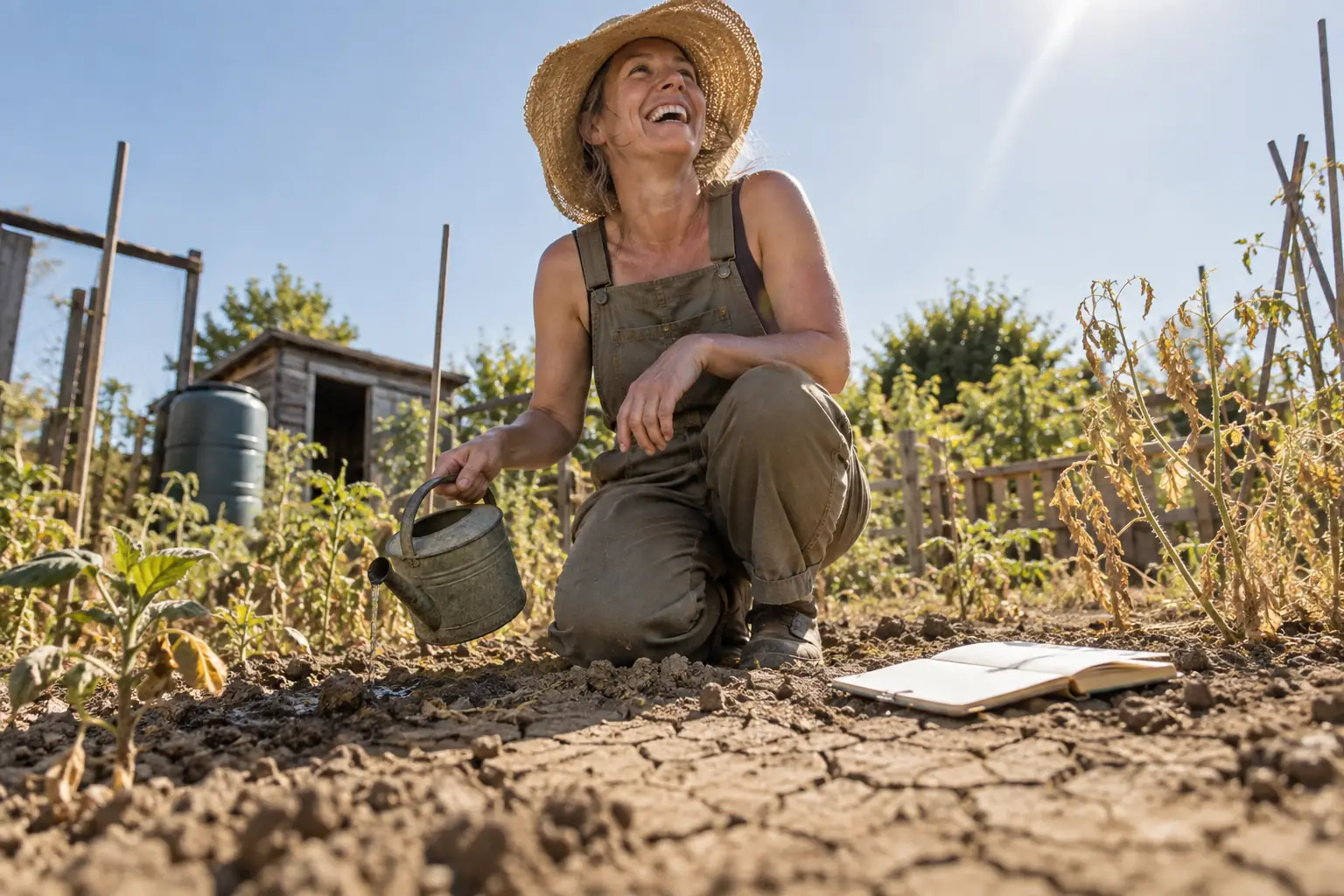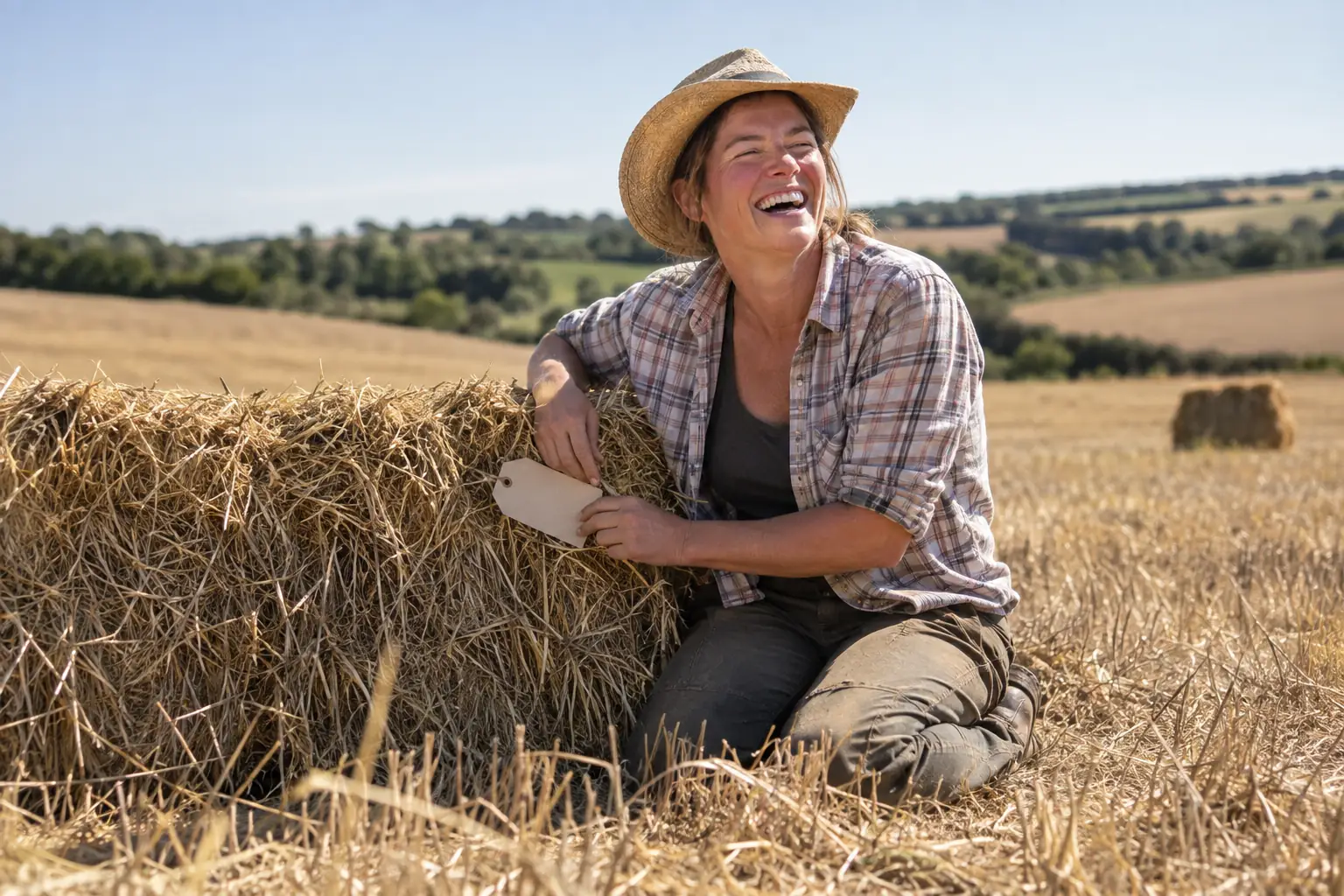
Hot dry weather farmer support has arrived, proving that even a drought can eventually produce a form with its boxes in the correct order. On 15 August 2026, Defra introduced temporary adjustments to some Environmental Land Management agreements in England. Eligible farmers can cut, graze or establish certain areas differently while the extreme dry weather continues.
The changes apply when the relevant land sits in a county with an Environment Agency status of drought or prolonged dry weather. As of 15 August, that meant every county in England. Farmers can follow their original agreement or use the temporary adjustments without losing payments. This is unusually generous from a system that normally treats flexibility as a suspicious parcel.
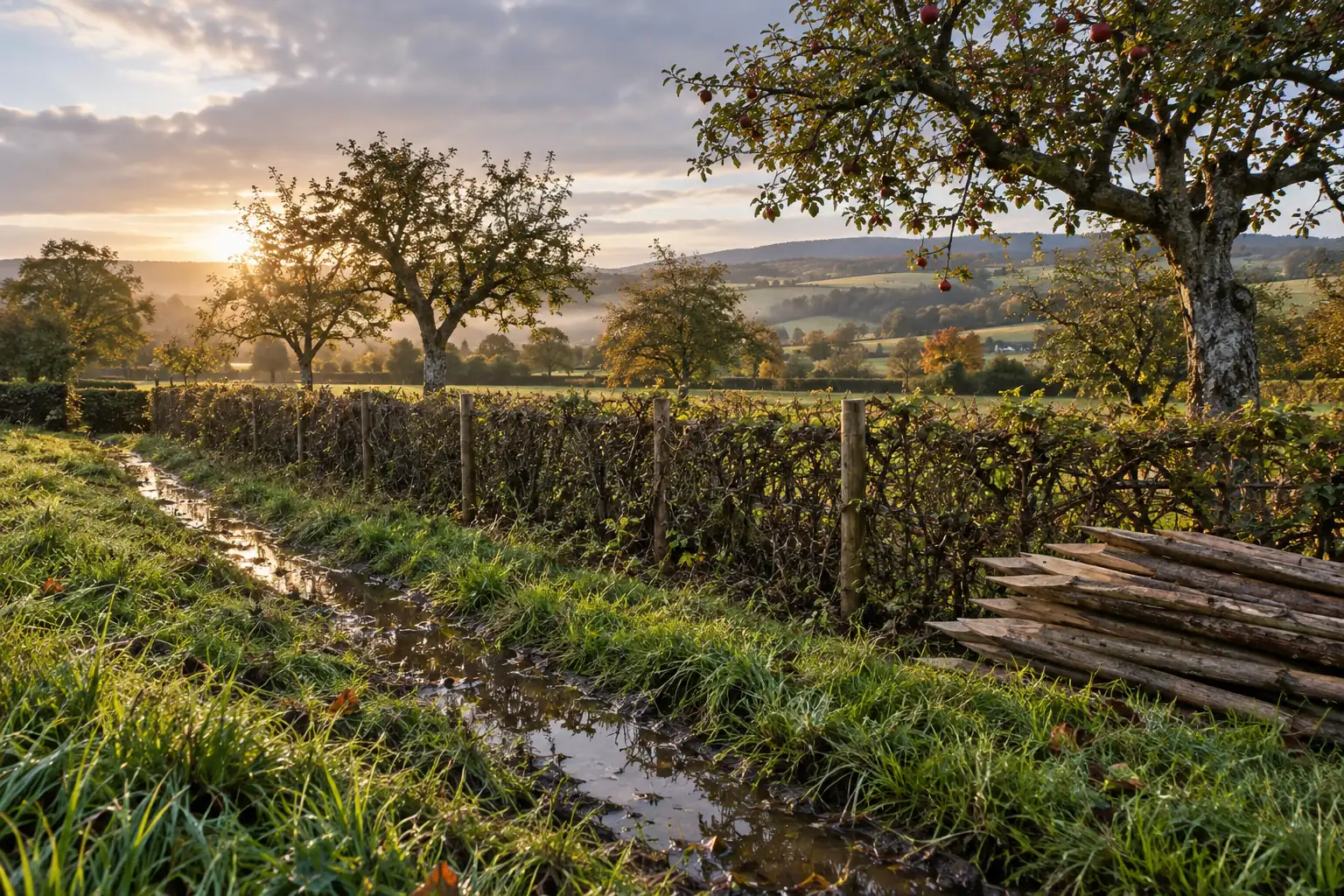
Hot dry weather farmer support meets the buffer strip
The permissions cover selected schemes and options. Farmers can cut some buffer strips, field corners, grassland areas and wildlife plots for fodder or bedding. They can use it themselves or share it with the wider community. They cannot cut it for profit. Even an emergency can recognise a hay bale trying to become a business.
Other land can be grazed from 15 August. Farmers can graze some overwintered stubble until 14 February 2027. They can sow certain flower and bird food mixes later, up to 30 September. The policy has made a buffer strip sound like a colleague covering a late shift, provided it keeps records and obtains permission.
Some grassland options allow supplementary feeding when animal welfare requires it. Farmers must still protect the sward, keep evidence and obey other agreement conditions. They must also follow environmental law and obtain consent for protected sites when required. The drought has loosened the rules. The filing cabinet remains fully employed.
When the paperwork comes back
Temporary means temporary. The original requirements return when the Environment Agency changes a county’s status back to normal. Agreement holders may also need to report failed establishment or changed circumstances to the Rural Payments Agency.
So hot dry weather farmer support is not permission to turn every conservation measure into a private hay empire. It is a narrow emergency adjustment. It aims to ease shortages of grazing, fodder, forage crops and bedding while reducing fire risk.
The buffer strip has not abandoned nature. It has accepted a secondment to livestock management, completed the form, saved the receipt and asked whether the secondment counts towards its pension.
Source: GOV.UK.