The Government has published a Green Paper proposing that trustworthy news should be easier to find online, which is encouraging for anyone who has opened a social media app and wondered whether civilisation had been moved behind a paywall.
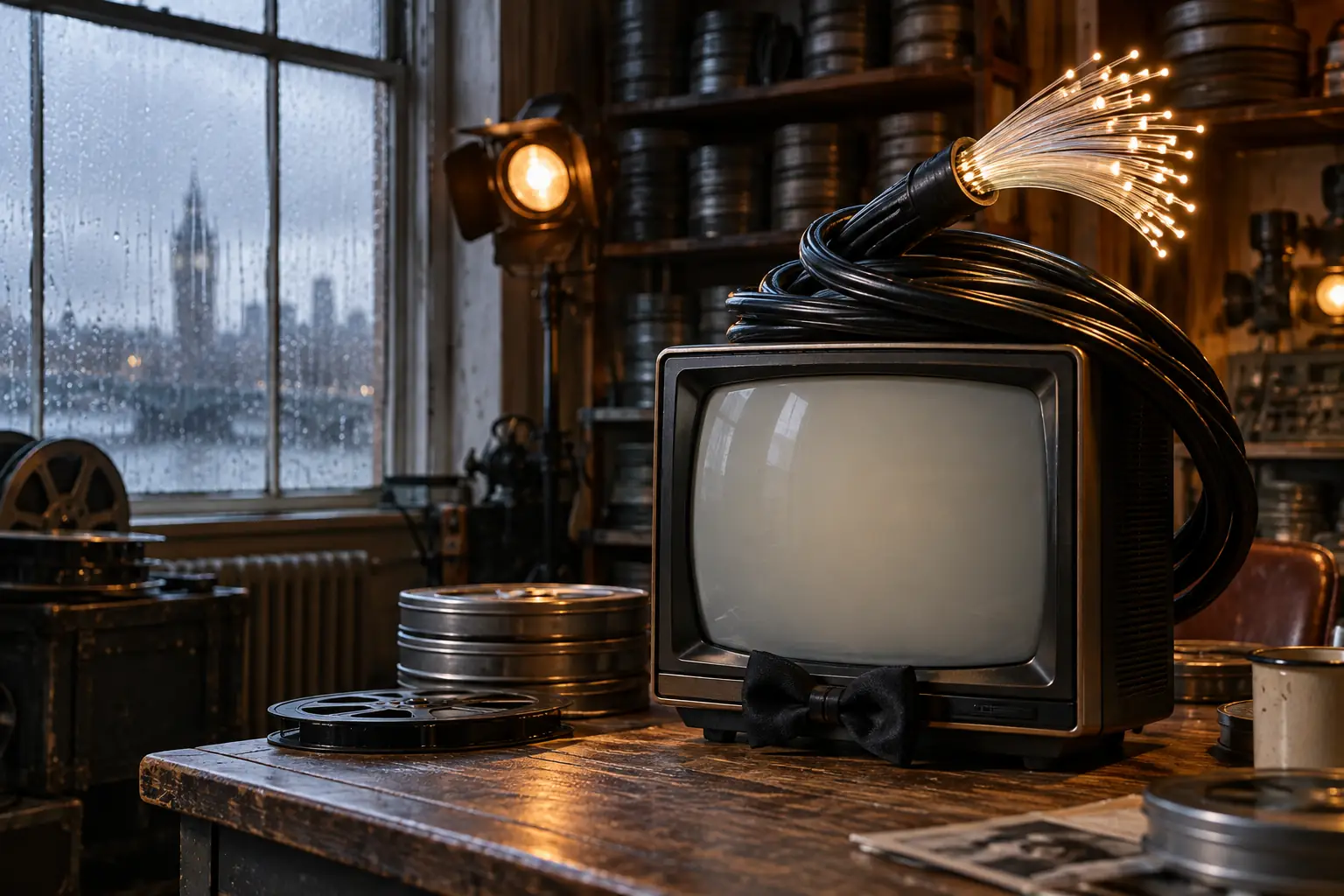
On 23 June 2026, the Department for Culture, Media and Sport published Watch this Space: A new strategic direction for UK media. The proposals consult on making public service media and other trustworthy news providers more prominent on social media and video sharing platforms. The television has been asked to prepare for an internet based future while remaining available through digital terrestrial television until at least the end of 2034. It has requested the Wi Fi password and a written guarantee that the remote will still work.
The Green Paper considers two possible timelines for a managed transition to internet based television, 2034 or 2044. This gives the nation just enough time to form a passionate opinion, forget it, and find the cable that has lived in a drawer since broadband was described as revolutionary.
The proposed prominence rules are intended to help reliable news compete with misinformation and content selected by algorithms. This is a delicate assignment. Platforms may soon be encouraged to place trustworthy reporting somewhere near the video of a man restoring a rusty shovel, the advert for a mattress that knows too much about your spine and Darren explaining tax law beside a garden shed.
The reforms would also give public service broadcasters more flexibility online. Other broadcasters and YouTube channels could potentially become public service media providers in future. The definition of public service may therefore stretch from national broadcasting to Darren, provided someone can establish that the shed has adequate editorial standards and a complaints procedure.
There is also a proposal to extend the Listed Events regime to on demand rights for major sporting occasions. The World Cup, Olympics and Wimbledon could remain available without an additional charge. The public may then watch national moments without proving that it selected the correct entertainment package from a menu designed by a hostile accountant.
The serious contradiction is that reliable information now has to be made more visible through systems built to reward speed, outrage and whatever makes people type in capitals. The Green Paper cannot solve that alone. It can at least admit that the future of broadcasting should be planned before it arrives disguised as a software update.
The television has accepted the new direction, updated its settings and located one trusted news source. Unfortunately, it was the router manual, which had been promoted by the algorithm after promising three shocking tricks to improve broadband.
Source: GOV.UK.