British food exporters have been told to prepare for smoother trade with the EU, so several customs forms have taken the news bravely and asked whether this means they are about to lose their jobs.
The government is negotiating a sanitary and phytosanitary agreement intended to make agri food trade easier, cheaper and quicker. It is not yet in force. The government is working towards a mid 2027 start, which gives businesses plenty of time to prepare for the disappearance of paperwork by producing paperwork about the disappearance of paperwork.
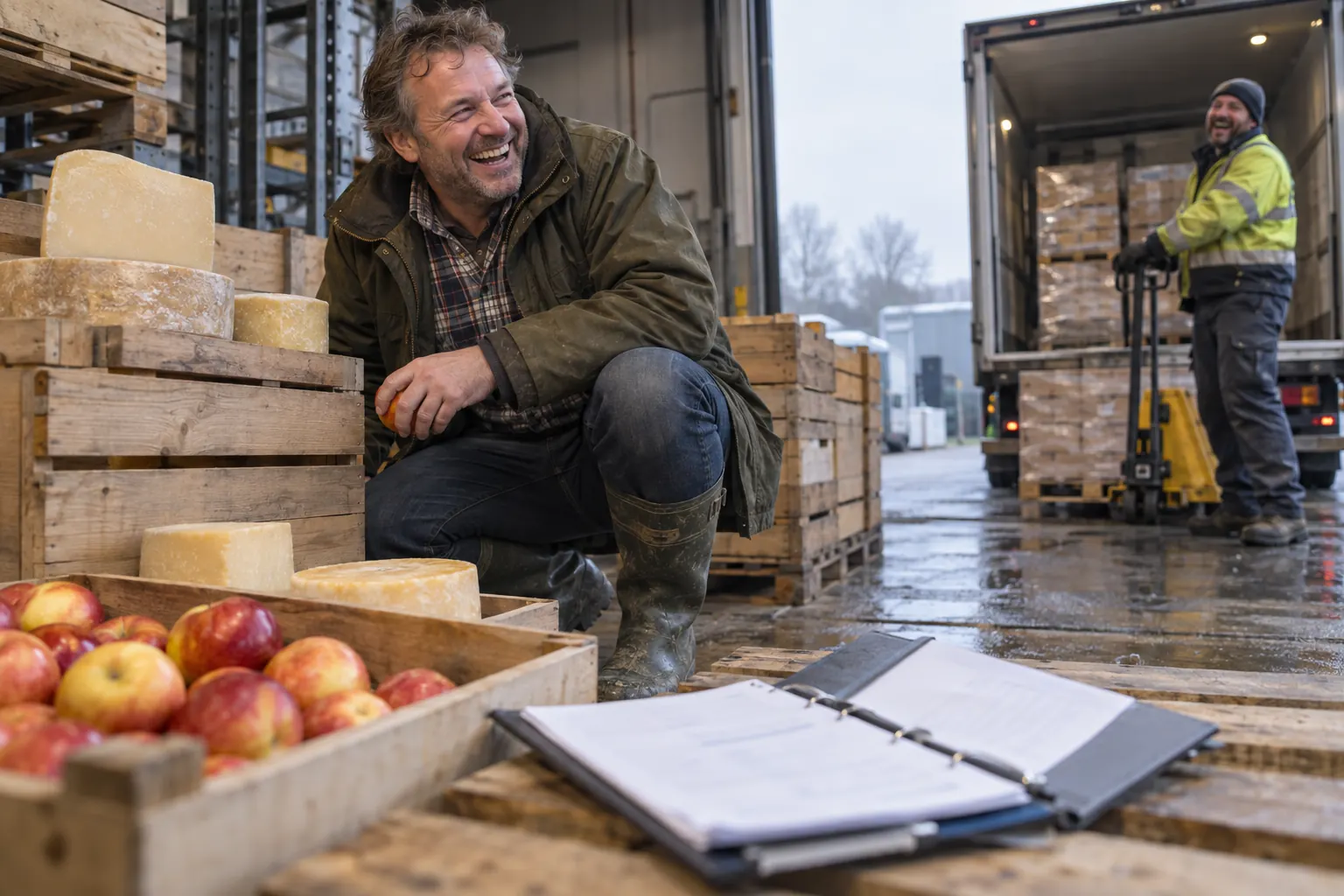
The proposed agreement could reduce checks, delays and costs for food, farming and plant businesses trading between Britain and the EU. The government says charges for certificates, inspections and sampling are expected to be removed. A cheese shipment facing roughly £1,200 in sampling costs may soon discover that its most expensive relationship was not with Europe, but with the person asking whether the cheese had completed the correct emotional journey.
The promised changes could help put British produce back on European shelves, strengthen supply chains and ease pressure on food prices. This is encouraging news for farmers, exporters and shoppers. The customs folder, however, has declined to celebrate until negotiations finish, guidance is published and somebody confirms which folder contains the guidance about the guidance.
Businesses have been asked to contact trade bodies, examine their supply chains, sign up for updates and respond to a call for information. This is the government’s practical route towards less bureaucracy. It begins with industry explaining how much bureaucracy it has endured, presumably in a form that must be printed, signed and submitted to the office responsible for reducing forms.
The proposed arrangement would involve the UK aligning with EU rules in relevant areas including food safety, animal health, plant health and animal welfare. Businesses that do not currently export may need to adapt too. Domestic producers have therefore been invited to prepare for an international opportunity before they have sold anything internationally, a thrilling preview of the paperwork future.
The larger promise is faster trade and recovered markets. The smaller promise is that a producer with excellent chutney might spend more time finding customers and less time proving that the chutney exists. Until the agreement is completed, though, businesses must follow current requirements, while the forms remain in post and continue collecting evidence that they are necessary.
Negotiations will continue, guidance will arrive later and the paperwork will eventually be reduced. It has accepted the principle of this plan. It would just like the reduction to be documented in triplicate, witnessed by a second form and sent back to the cheese for approval.
Source: Department for Environment, Food & Rural Affairs and Department for Business and Trade.