The government’s test and learn approach to AI and digital spending has begun with a radical discovery: before rolling out a national system, somebody should check whether a human being can use it.
The approach, announced in March, is intended to let public services try smaller digital projects, measure the results and expand the ones that work. It is an encouraging development for anyone who has met a public portal and been asked to create a password containing a rune, a childhood memory and proof that they are not a small bridge.
Under the plan, promising ideas can receive staged funding, with larger sums following successful trials. This gives officials an opportunity to discover whether a system solves a problem before buying enough of it to create an entirely new problem with its own logo.
The Ministry of Unread Confirmation Emails has been invited to observe the pilots. Its interim chair, Penny Spamfolder, said every project should be judged by one question: can a tired person use it at 7.14pm without needing to locate an old utility bill?
‘Learning is not failure,’ said Penny. ‘Failure is calling a service intuitive after asking the public to demonstrate advanced knowledge of filing systems.’
The government says the reforms are designed to reduce waste, improve public services and replace outdated technology. The announcement also says many central government digital systems are old, expensive to maintain and at risk of failure. This will surprise nobody who has watched a website load its homepage in stages, like a Victorian expedition whose members have lost the map but retained the procurement budget.
A proper trial gives users a chance to report what is baffling. That evidence must not be filed as unexpected feedback from the public, a phrase suggesting that citizens were expected to communicate entirely through mist while the system quietly requested another security question.
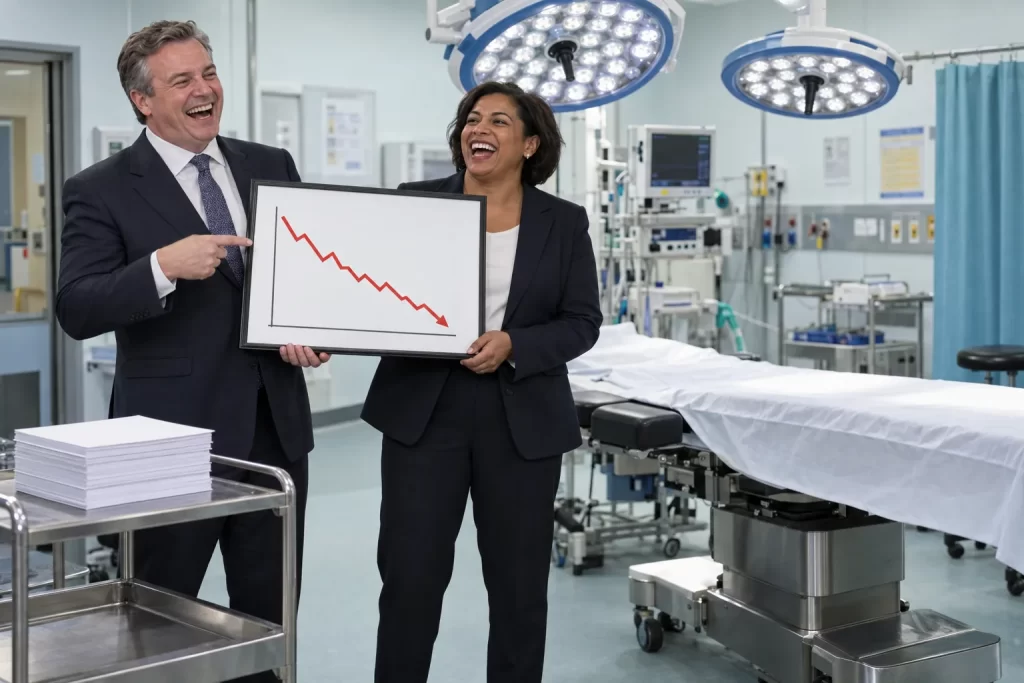
At the first demonstration, a civil servant requested a password reset. The email arrived in spam, where it joined hundreds of messages promising innovation at scale. The trial was declared a success because the system had produced evidence before the country had bought it. The password, meanwhile, remains safe from everyone, including its owner.
Real story: Department for Science, Innovation and Technology.