Slow cinema has removed script, story and almost every human figure from Tsai’s Back Home, allowing a rural Laos landscape to carry the performance that Hollywood once entrusted to superheroes, collapsing airports and a man who has forgotten the password to the control room.
Reviewed at the Venice International Film Festival, the film follows Tsai’s decision to work without scripts, using a quasi documentary eye and fragments of overheard or improvised conversation. Anong Houngheuangsy appears briefly. The village does most of the acting, then refuses the customary interview about its creative process.
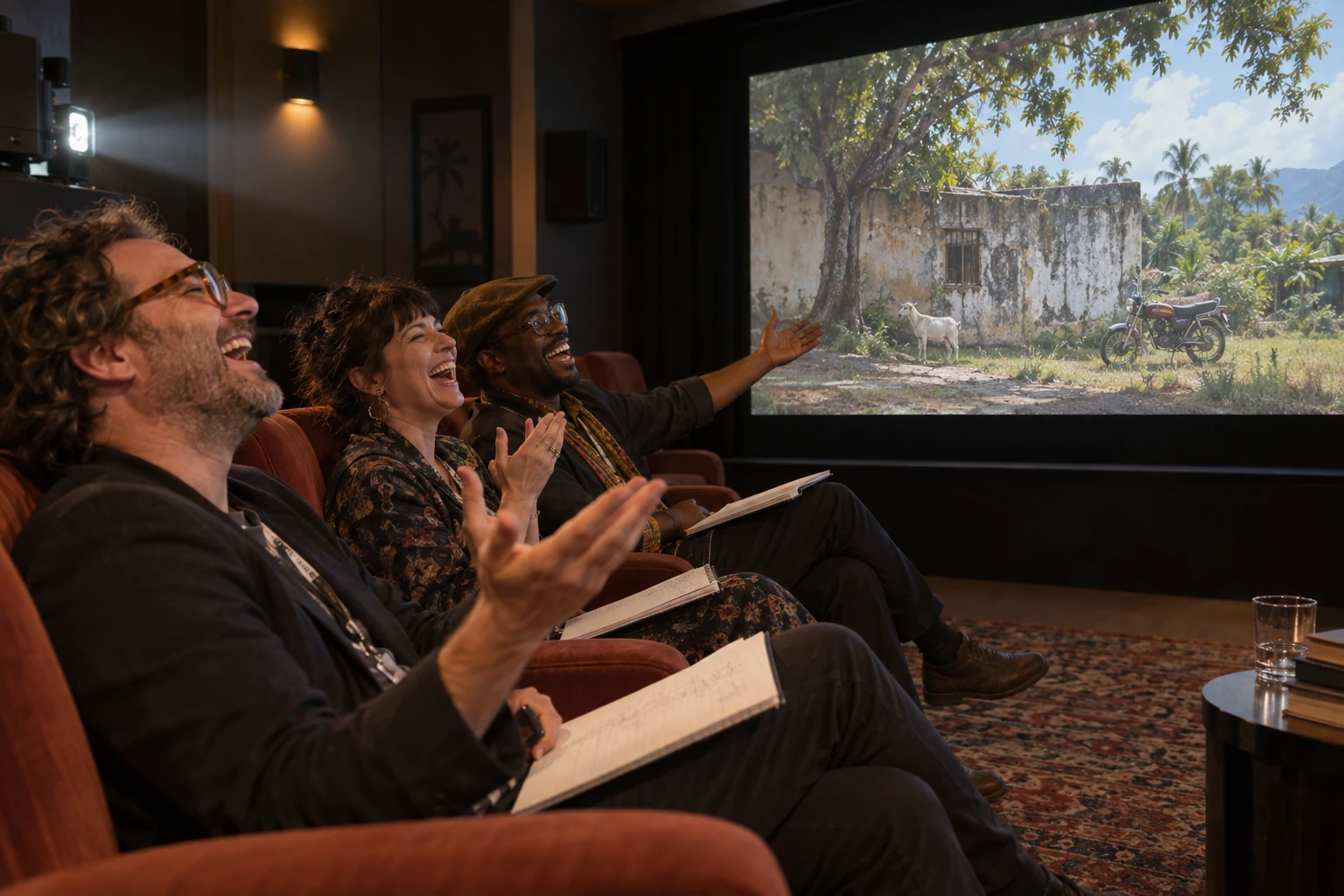
This leaves audiences to notice time, labour and environment without the usual machinery of plot. A tree remains onscreen long enough to develop motivation, conflict and superior representation. A motorbike parked beside a shack becomes the nearest thing to an action sequence, although nobody has yet asked it to carry a franchise.
“The silence is devastating,” said Jocasta, Reader in Unhurried Masonry. “At minute eleven, the wall chooses not to reveal everything. Frankly, it has more restraint than most prestige television.” The wall is not a credited performer. It is simply better at withholding information than a streaming platform with a cancellation policy.
Tsai’s method resists the demand that every image explain itself immediately. Viewers must sit with uncertainty instead of receiving a character who announces that the village symbolises memory. The landscape is not picturesque material between two aerial shots advertising personal transformation. It is the subject, and it has declined to attend a development meeting.
This is demanding cinema, particularly for viewers trained to interpret a long shot as an advert that has lost its voiceover. Yet Back Home makes a persuasive case for looking longer, listening harder and allowing ordinary places to exist without immediately assigning them a franchise.
By the end, the landscape has achieved what studios call a bold new universe. It contains silence, loneliness, goats and no planned trilogy. The wall is already in talks to direct the sequel, provided the sequel continues not happening. Its first executive note is expected to be: add stakes, but do not disturb the goats.
Real story: British Film Institute.