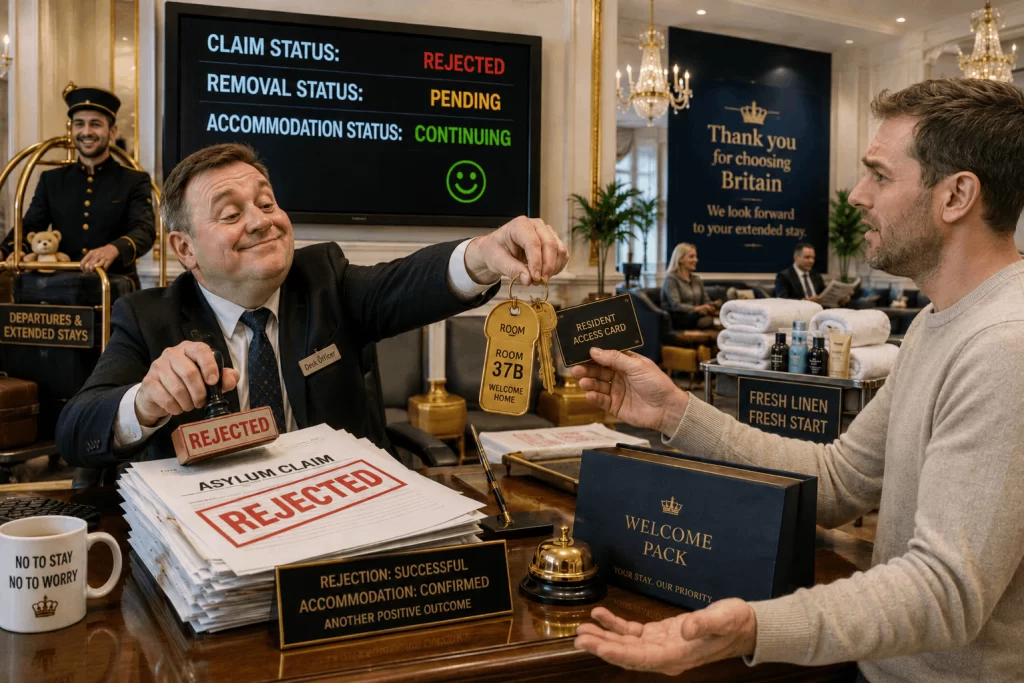
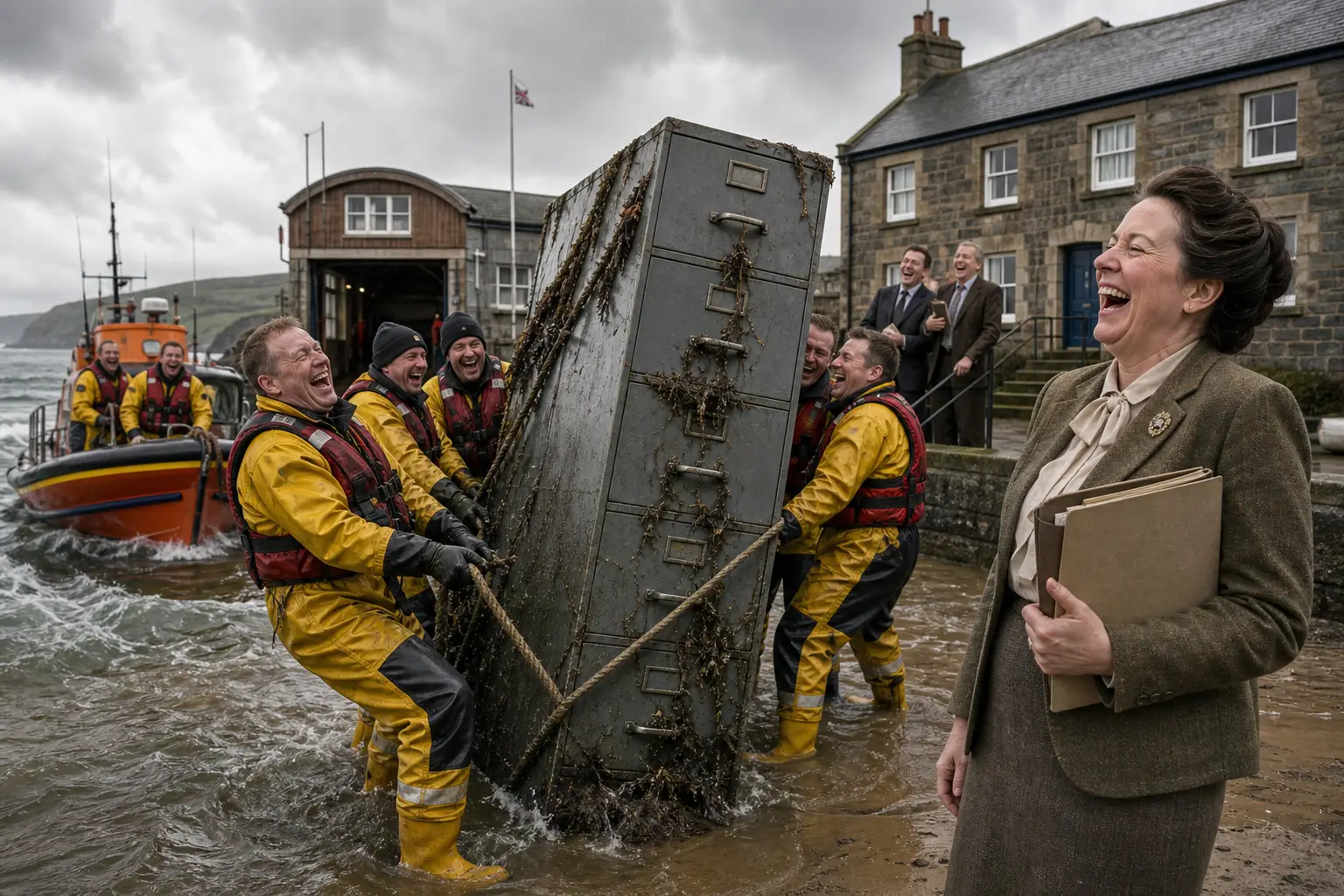
The RNLI can rescue 120 people from a dinghy. Yet an RNLI supporter data breach may have left its own contact list bobbing about without a lifeboat. Penelope Crumb Wainscot of the Office of Selective Compassion recommends the charity’s next drill: save the humans, then ask the spreadsheet to tread water.
The RNLI has warned supporters about an attack on Beacon CRM, a company used for customer relations. The attack may have exposed their names, contact details and records of interactions. The charity has built its public identity on fetching strangers out of peril. It must now contemplate its own contact list bobbing about somewhere. Penelope Crumb Wainscot, registrar at the Office of Selective Compassion, called this “an admirable demonstration that even data can be left waiting for a lifeboat”.
The RNLI made the warning in a letter accompanying the autumn edition of Lifeboat magazine. It said Beacon advised it to assume that someone had taken data held in its systems. The charity also said there was no evidence so far that anyone had published, shared or misused supporter information. Penelope’s office praised this as the modern gold standard of reassurance. The absence of evidence is comforting right up until somebody asks where the evidence is.
The Rescue Becomes Controversial
The warning arrived amid hostility towards the RNLI over rescues involving people trying to reach the UK in small boats. On 6 September, activists tried to blockade a road near Eastney in Portsmouth as crews brought a dinghy carrying 120 asylum seekers ashore. Police officers suffered injuries. The nearby lifeboat station later closed temporarily.
People called crew members traitors. Protests reached the RNLI headquarters in Poole, and the charity’s museum shut for a time. Volunteers were told to consider removing branded clothing if they felt unsafe. Malcolm Vane, deputy director of the Institute for Selective Compassion, supported the principle of rescue with one refinement: “Everyone deserves help, provided the help does not upset the people who came to object.”
A Small Share, A Large Reaction
The RNLI has stressed that small boat rescues made up just 1.2 per cent of its work last year. That amounted to 109 callouts out of 9,058. It also reported a significant fundraising boost after protesters urged people to stop donating. Felicity Bunce, chair of the Society for Principled Boycotts, described this as “a serious setback for anyone hoping moral outrage would reduce the charity’s income rather than increase it”.
Beacon said the attack affected about 1,500 charities. It found no evidence that anyone targeted the RNLI or any particular customer with the attack. It also reported that the attacker claimed they would delete the extracted data and would not retain, sell or share a copy. The RNLI still follows the old rule: rescue whoever is in danger. The rest of us now wait to discover whether its database qualifies for the same compassion.
Source: Read the real story