Resilience Academy puts catastrophe on the curriculum
The Resilience Academy will train more than 4,000 workers each year, ensuring Britain faces future emergencies with accredited calm and a lanyard that opens the correct door.
The programme will bring together emergency planners from councils, public services and infrastructure. Previously, these people met only during disasters, usually beside a printer that had chosen that morning to require magenta.
A new Risk Vulnerability Tool will combine demographic data with live information about weather and power. It can show where cold or floods may cause the most harm, replacing the traditional council method of looking out of the window and saying, “That seems bad.”
“Our first module is Advanced Not Running About,” said Dr Cressida Sandbag, Dean of Organised Alarm. “Graduates then progress to Strategic Kettle Deployment and a demanding seminar called Who Has The Keys?”
The underlying work is serious. Better training and local data can protect vulnerable people when infrastructure fails. The comedy begins only when the phrase “generational upgrade” arrives wearing protective goggles.
Students will practise coordinating agencies whose computer systems recognise one another mainly from conferences. A gold-level exercise ends when everybody agrees which shared inbox has been ignoring the warning.
Britain may never welcome an emergency. It can, however, make the emergency sign in at reception, watch a safety video and wait while somebody laminates the response.
Read the real story: the announcement of the UK Resilience Academy.
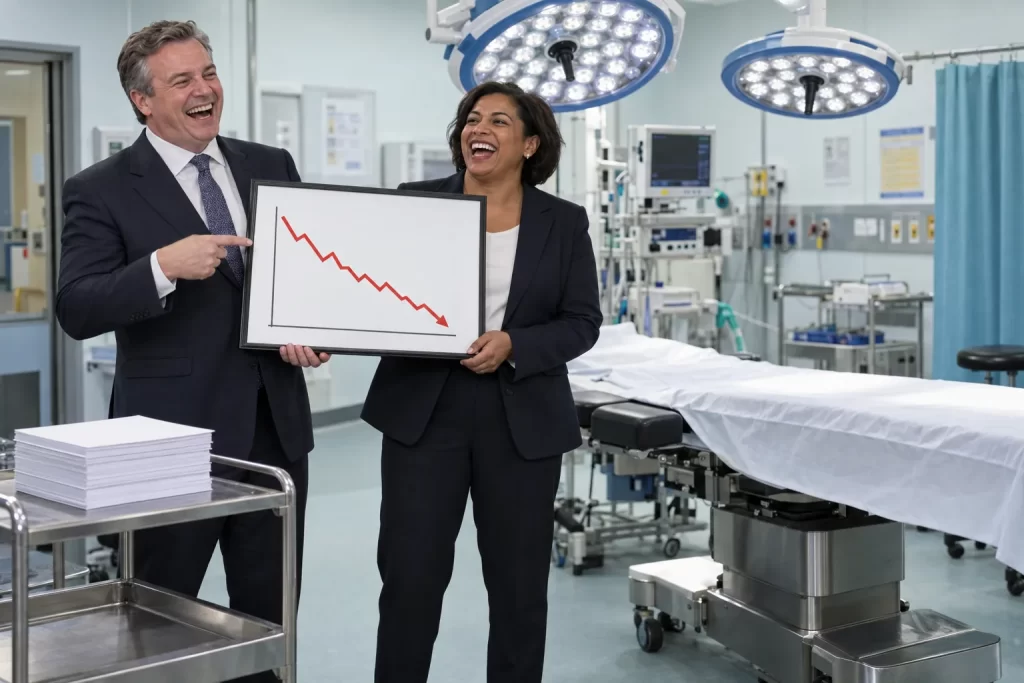
The academy should help people respond faster when real disruption arrives, which is rather more useful than a heroic stock photograph of somebody studying a map. Its final assessment will involve a simulated crisis, three conflicting spreadsheets and a senior officer discovering the emergency plan is in a folder called Final Final Revised.