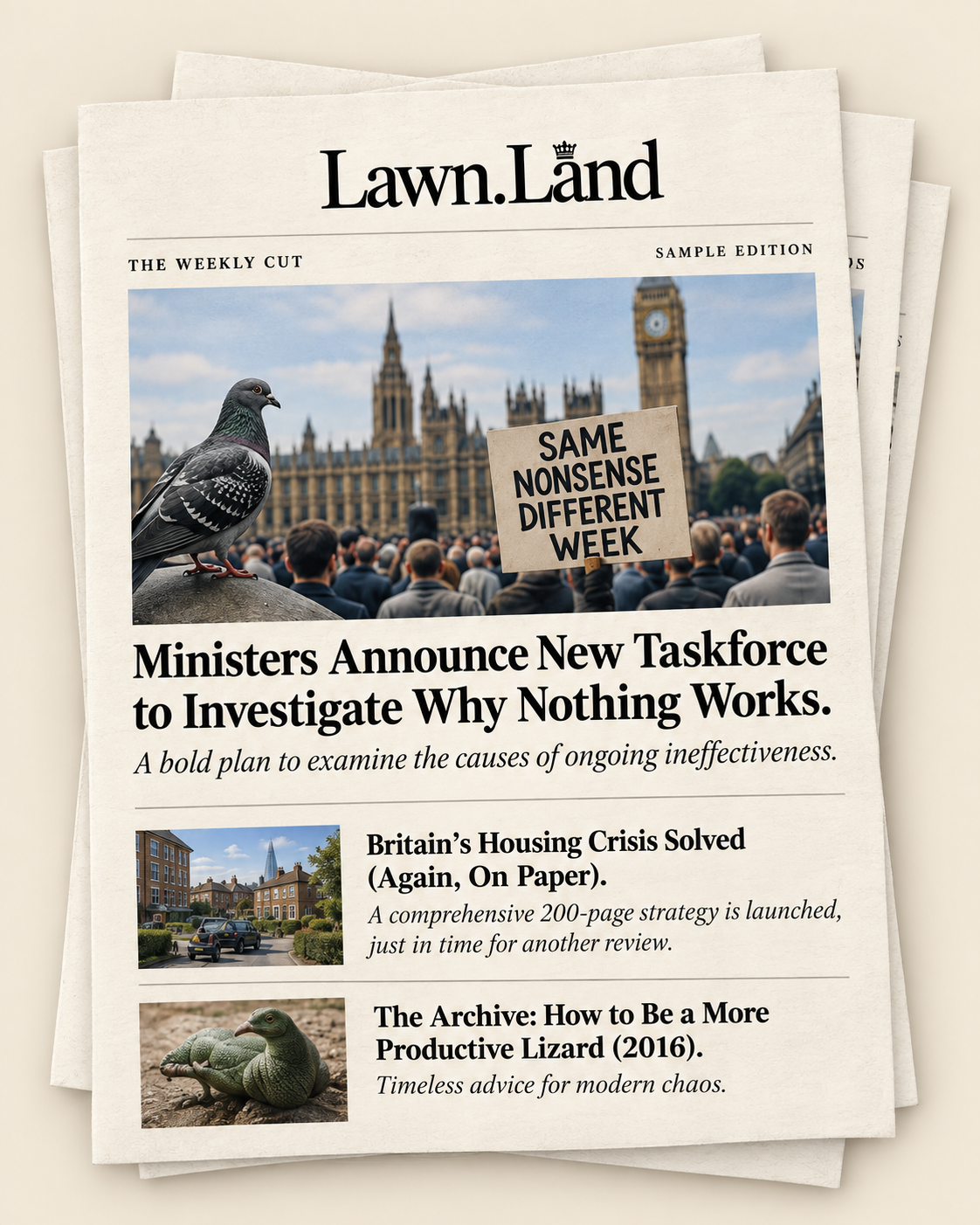
Pride in Place has promised neighbourhoods money and influence over renewal, allowing residents to shape their high streets once they have appointed a board, agreed its terms of reference and located the correct spreadsheet for finding the money.
The programme promises up to £5 billion over ten years, expanding the existing scheme into 169 additional areas while continuing work in 75 places. Separately, the £150 million Pride in Place Impact Fund will support up to 95 areas with improvements to public spaces, parks and high streets. The money has been announced, which is the traditional government stage immediately before anyone is permitted to spend it.
Local people are intended to decide how the funding is used. Neighbourhood boards will have an independent chair and include residents, local businesses, civil society and community organisations. This is a serious attempt to put local knowledge at the centre of investment, although local knowledge may soon need to complete a 46 page form explaining where the centre is.
Communities could back festivals, sport, vacant property projects, town centre improvements, community gardens or better public spaces. The scheme also proposes new powers to help residents reclaim beloved local assets, tackle boarded up shops and block nuisance businesses. Those powers are proposed, rather than already marching down the high street in fluorescent jackets.
“Real renewal starts with local ideas,” said Mabel, Commissioner for Grassroots Synergy. “Then it moves into a ten year plan where the idea learns to use a Gantt chart.”
Central government says communities know best, while central government supplies the objectives, funding structure, timetable and presumably the approved definition of best. A resident who knows which shop is empty and which park bench wobbles may discover that practical expertise qualifies them for a committee discussing strategic bench resilience.
The test will be whether the money reaches the street before another announcement promises that it will. Local boards may give residents a genuine say, provided the paperwork does not become so powerful that it requires its own neighbourhood board.
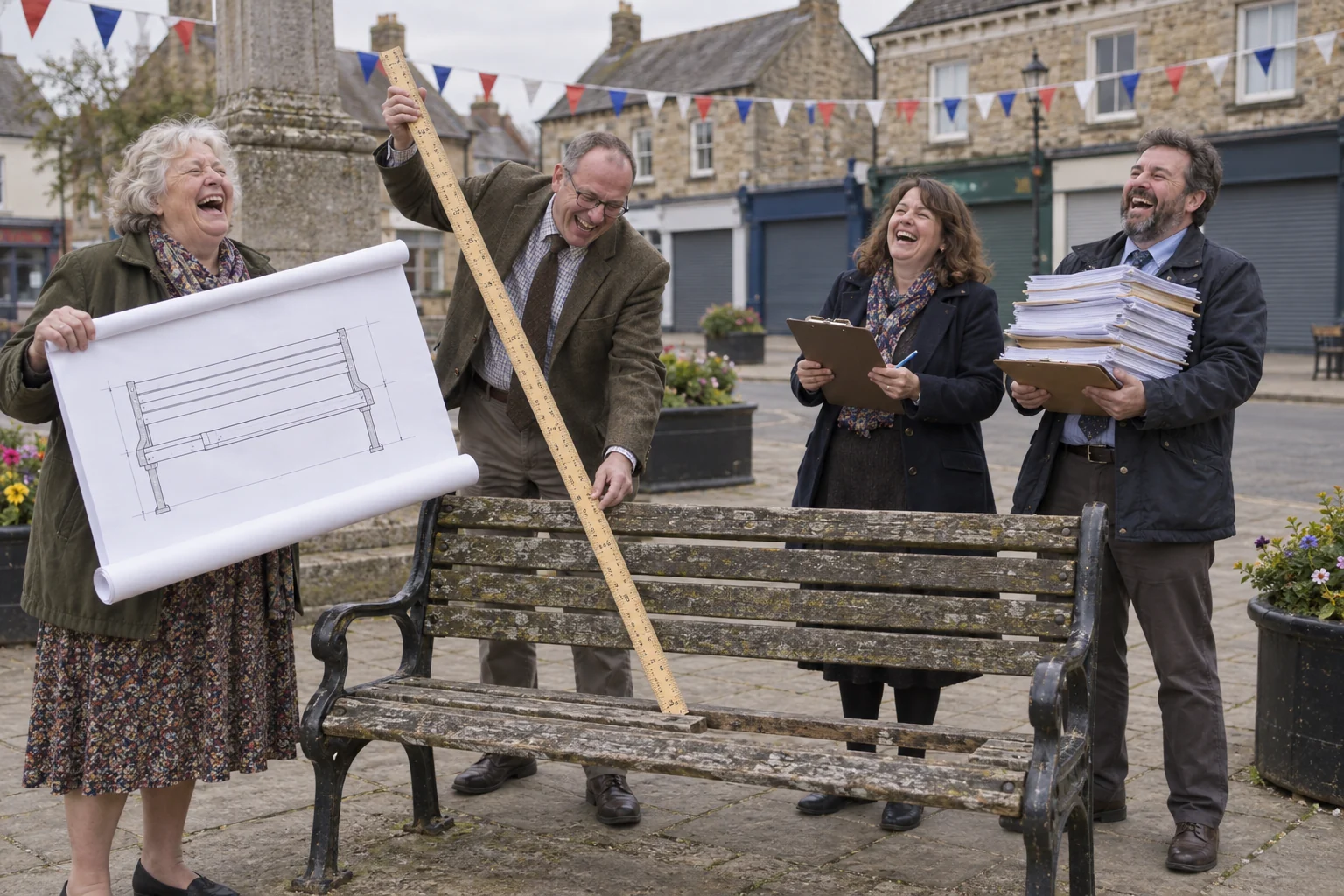
A resident suggested fixing the broken bench outside the chemist. The board applauded, commissioned a strategic bench vision for 2035 and scheduled a consultation on whether sitting down remained locally led. The bench is still waiting for permission to become an outcome.
Real story: Government announcement and Pride in Place Strategy.