Nottingham Forest develop a woodwork strategy
Nottingham Forest lost 2-0 to Manchester City despite hitting the woodwork three times. The club has now applied for recognition as Wembley’s most active forestry project.
Rico Lewis put City ahead inside two minutes. Josko Gvardiol added another after half-time. Forest replied by locating the crossbar and both posts with the accuracy of surveyors who had misunderstood the assignment.
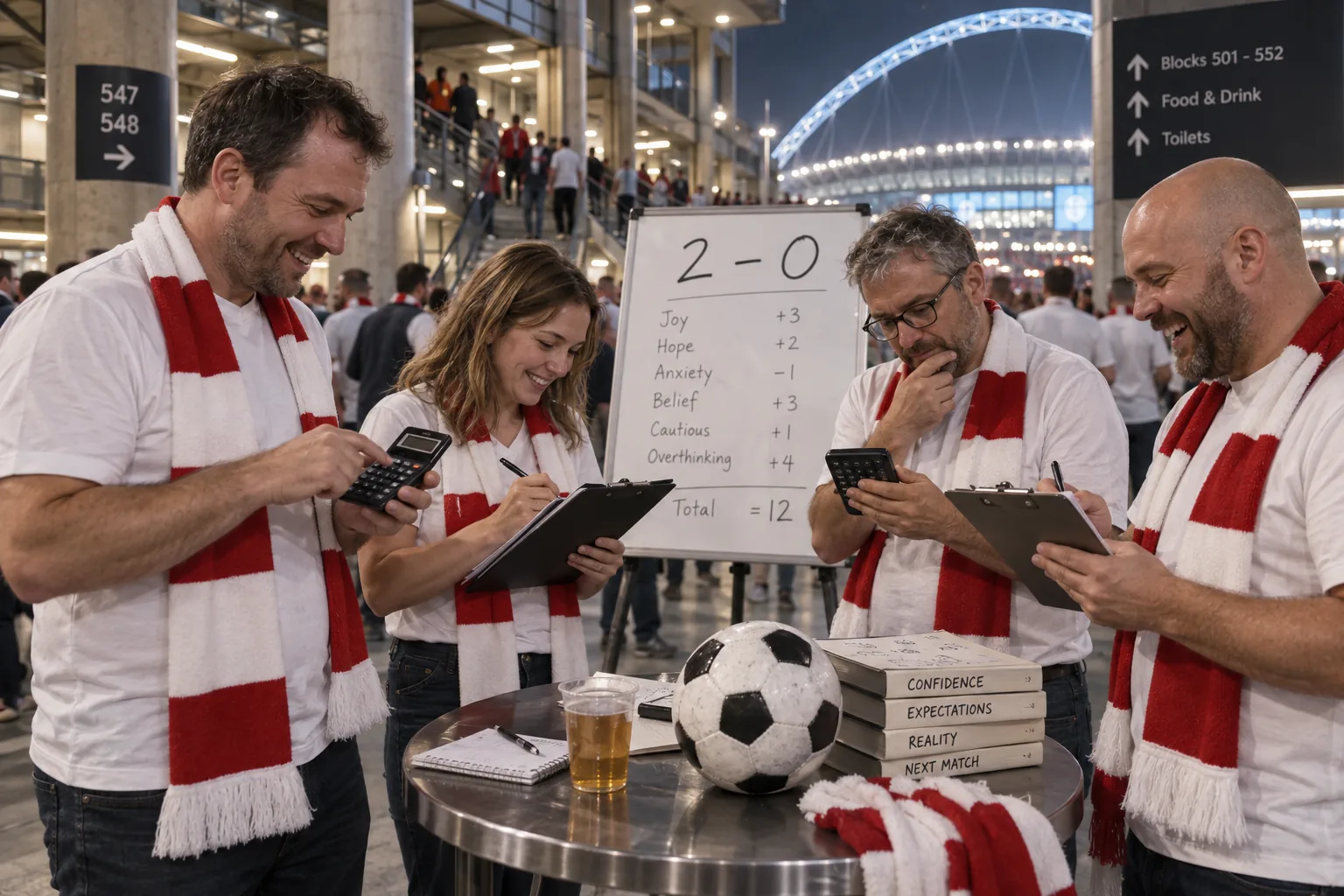
The Department of Competitive Carpentry confirmed that three contacts do not combine into one goal. This remains true even if supporters shout “surely” and present a compelling diagram at full time.
“We dominated the structural frame,” said Barry Crossbar, Forest’s Interim Timber Analyst. “On another day, one of those uprights moves six inches and we become tactical geniuses rather than unpaid joiners.”
City reached a third consecutive FA Cup final. Their finishing obeyed the traditional rule of putting the ball between the posts. Analysts described this approach as old-fashioned but annoyingly compatible with the scoring system.
Forest created enough second-half chances to imagine a different result. Football offers that cruelty with admirable efficiency. Hope travels from the boot to the post in under a second, then returns as a slow replay from four angles.
The woodwork survived all three attacks and kept a clean sheet. It declined the player-of-the-match award because, unlike everyone else at Wembley, it had somewhere solid to be.
Read the real story: The FA report from Manchester City against Nottingham Forest.
Forest will review the footage, chiefly to establish whether the posts had been correctly briefed beforehand. Supporters remain proud of the performance, which contained energy, invention and the sort of repeated timber contact normally reserved for a flatpack kitchen. The crossbar is understood to be considering a testimonial season.