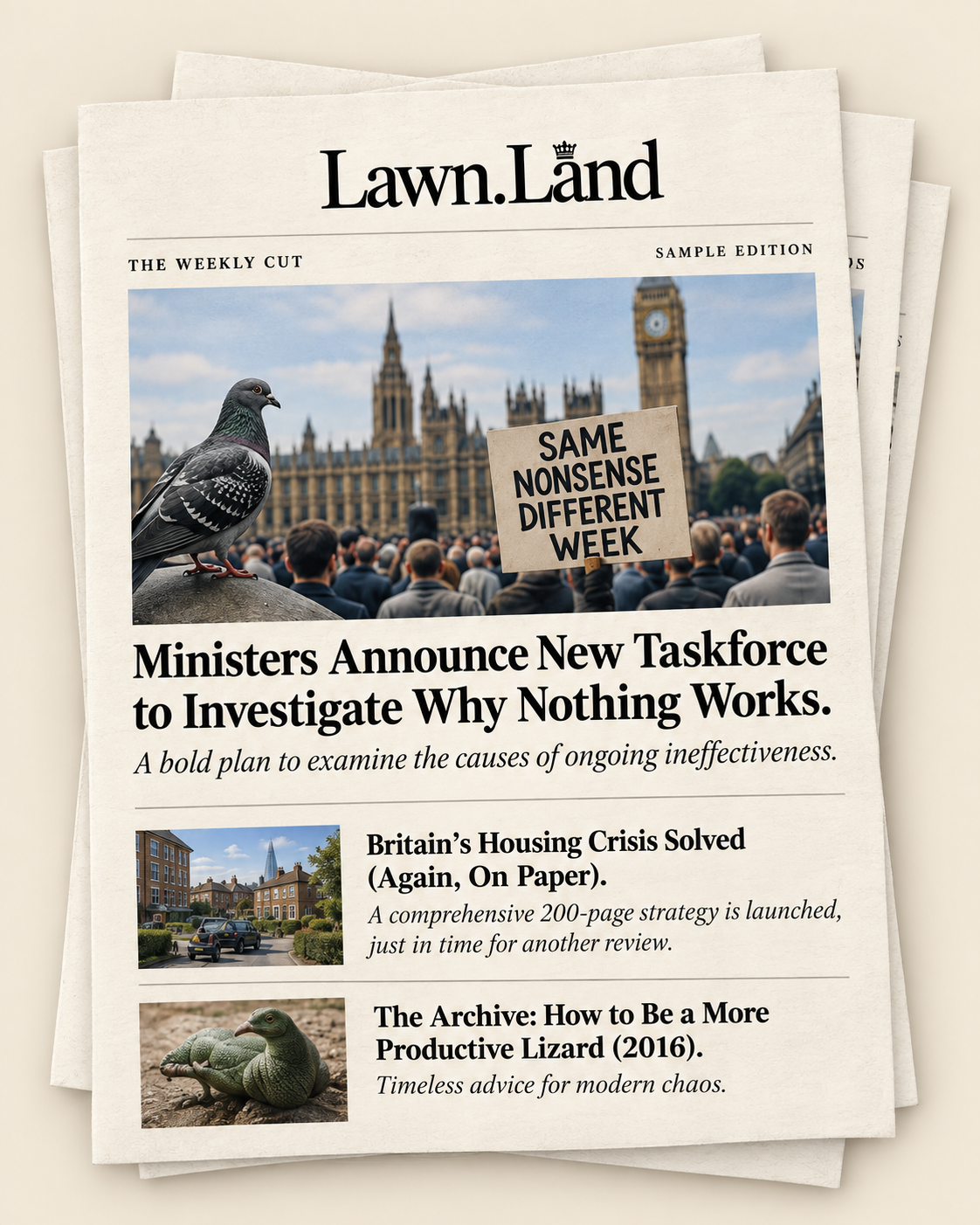
The Government has announced plans for the UK’s first maternity and neonatal commissioner, giving the health system a senior figure whose job will be to make sure people are heard. This is welcome. It is also a bold decision to appoint a listener to an institution that appears to have spent years treating concerns as optional background noise.
The announcement on 30 June said the commissioner would provide independent leadership, help hold the system to account and lead a national taskforce with the Secretary of State. A national action plan is due in December. New maternity triage standards are also intended to make care more consistent across England.
There is £41 million for urgent safety work in maternity and neonatal facilities, including fire safety, ventilation and outdated infrastructure. That is a serious investment in safer hospitals. It also suggests that some buildings have been operating on the principle that a corridor becomes compliant if nobody looks directly at it.
The Government says the reforms respond to Baroness Amos’s investigation, which found a fragmented system too slow to learn and too poor at listening to women, families and staff. The commissioner is therefore being asked to improve accountability, rebuild trust and ensure that voices are heard.
This creates an intriguing administrative arrangement. The system has admitted that it did not listen, created a new role to encourage it to listen, then assembled a taskforce to make sure the listening is properly co ordinated. Somewhere, a meeting is being booked so everyone can discuss why the previous meeting failed to hear the objection.
The plans also include new triage standards and 1,000 temporary roles for newly qualified midwives. These measures could make the next step clearer for patients and staff. The danger is that the health service will produce so many layers of guidance that anyone seeking help will need another commissioner to explain which commissioner is responsible for explaining the first one.
None of this is a punchline for families affected by unsafe or unresponsive care. They need action, timely answers and visible accountability, not another polished promise with a taskforce attached. The useful test is whether concerns lead to safer care rather than simply acquiring a more impressive filing system.
Until then, the national office has created a folder marked listening, placed it inside a folder marked urgent and scheduled a review for December. The folder has already been promoted to commissioner.
Source: GOV.UK.