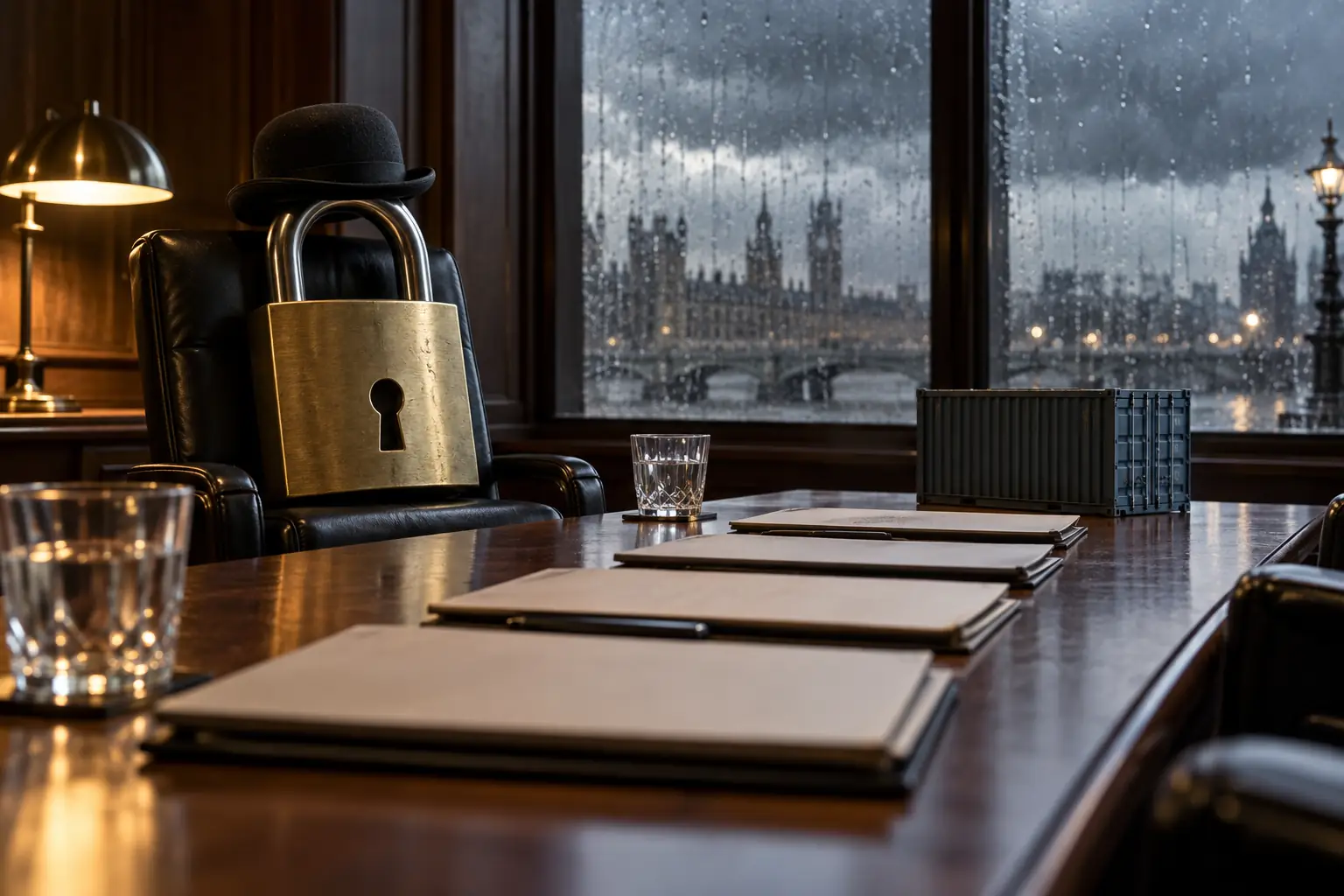
The Government has decided that public procurement should protect national security, strengthen supply chains and perhaps prevent the country being conquered by a supplier who forgot to tick the correct box. New guidance announced on 19 June says departments should use the national security exemption in the Procurement Act 2023 for contracts in key sectors. The padlock has been promoted to chair the meeting, although it still cannot explain where the spare key went.
The sums are large enough to make a filing cabinet nervous. The Government says it spends around £400 billion each year on public procurement and that firms founded in Britain have received £5 billion in new contracts since March. This is meant to support security, resilience, jobs and skills, rather than merely attach a Union Jack to an invoice and hope nobody asks what happens next.
The guidance appoints dedicated Sector Leads in Whitehall to help departments apply the exemption properly and protect value for money. Procurement now has people whose job is to examine a large purchase and ask whether it is secure, resilient and capable of surviving contact with a spreadsheet. The spreadsheet, meanwhile, has requested protection from strategic uncertainty.
The announcement also performs a careful balancing act. It wants stronger domestic capability while remaining consistent with international trade agreements. Trusted international partners and global suppliers are still welcome when they can provide what the country needs. The fortress has therefore installed a revolving door, labelled it resilience and invited the world inside for a security briefing.
Recent global shocks, the Government says, have exposed fragile supply chains. The new guidance says public spending should deliver more than the lowest upfront price. This is sensible, though it may come as a shock to anyone who thought national security could be reduced to a column marked cheapest, followed by a triumphant green tick from a person who has never met the supply chain.
The serious machinery is now in place. Ministers have supplied the national interest, the Treasury has supplied the figures and the Cabinet Office has supplied the process. The padlock has supplied the missing executive function: sitting on the table, laughing with the officials and asking whether anyone has checked who bought the table. Procurement has finally found its security clearance, and it is attached to a tiny object that cannot open anything without permission.
Source: GOV.UK.