The Future Borders and Immigration System has been inspected, which is bureaucracy’s version of asking a houseplant whether it feels strategic. A report published on 15 September says the Home Office programme has delivered electronic travel authorisations and eVisas, while still needing a firmer grip on what happens next. Britain has modernised the border and is now searching for the person who knows where modernisation was put.
The inspection, carried out between March and July, examined eight benefits linked to the programme. It found that several had been successfully delivered and had transformed the passenger experience. This gives the national filing cabinet permission to celebrate one small biscuit. A phone screen may still inspire spiritual reflection at a ferry terminal, but at least it is now doing so digitally.
The report also calls for clearer responsibility for continued benefits delivery and for good practice to be captured and embedded. In plain English, the system built useful things and now needs somebody to keep them useful. Britain knows this ceremony well. It usually ends with a spreadsheet called FINAL version 7 ACTUAL FINAL and a meeting to decide who is allowed to open it.
Two linked challenges remain. Ports need infrastructure changes involving owners, carriers and operations staff. Border Force needs changes to working practices, culture and skills. The programme also seeks efficiencies and workforce reductions, meaning the country wants a more digital border while persuading actual buildings and actual humans to cooperate. The future has arrived and is waiting for facilities management to approve its entrance.
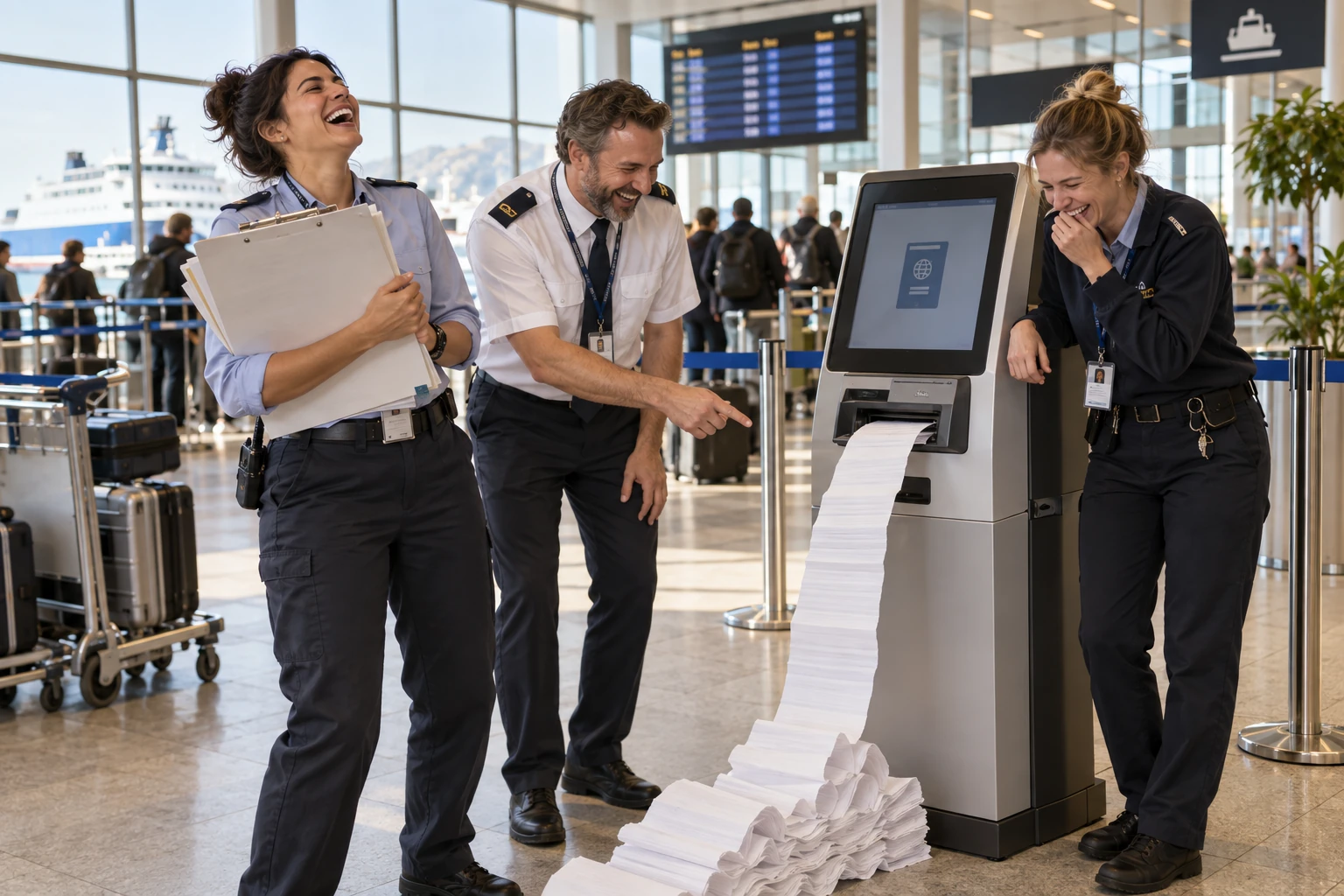
“The technology is ready,” explained fictional programme coordinator Gerald Pinfold, while watching a printer request permission to print a form authorising the printer. “The remaining work is mainly about making sure responsibility has a recognisable home address.” The printer then referred the matter to a task force.
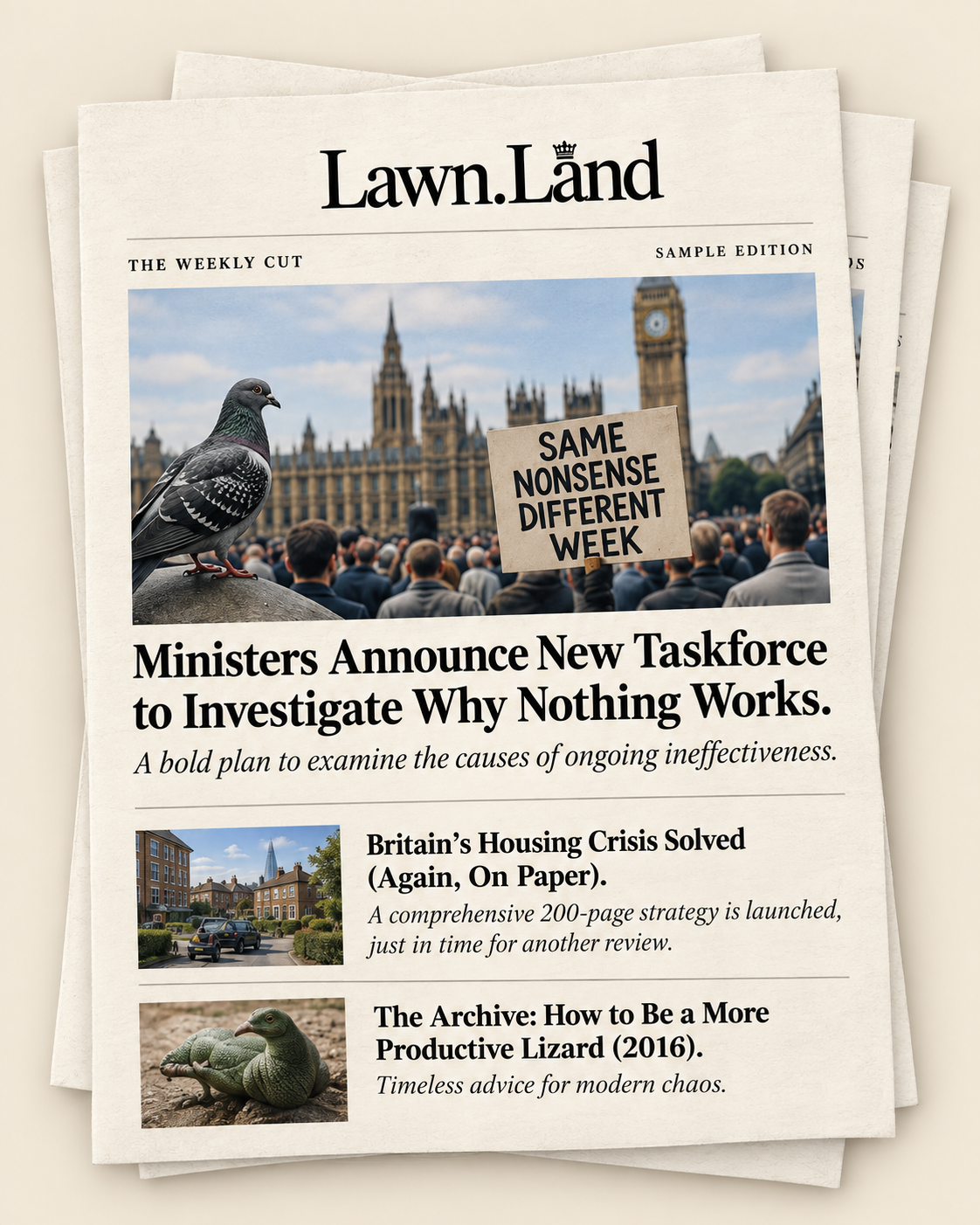
The inspector recommends a robust platform for long term delivery, possibly through a portfolio or task force coordinating activity across the Migration and Borders system. The recommendations were accepted in full, allowing the project to enter Britain’s highest administrative state: a new structure dedicated to ensuring that existing structures continue to exist.
By the time the digital contactless border is fully transformed, passengers may pass through without showing a document, a ticket or any evidence that they have understood the process. They will simply be asked to wait while a task force finds the clipboard proving that the future has arrived. It will be filed under progress, pending confirmation that progress still has a responsible owner.
Source: Independent Chief Inspector of Borders and Immigration.