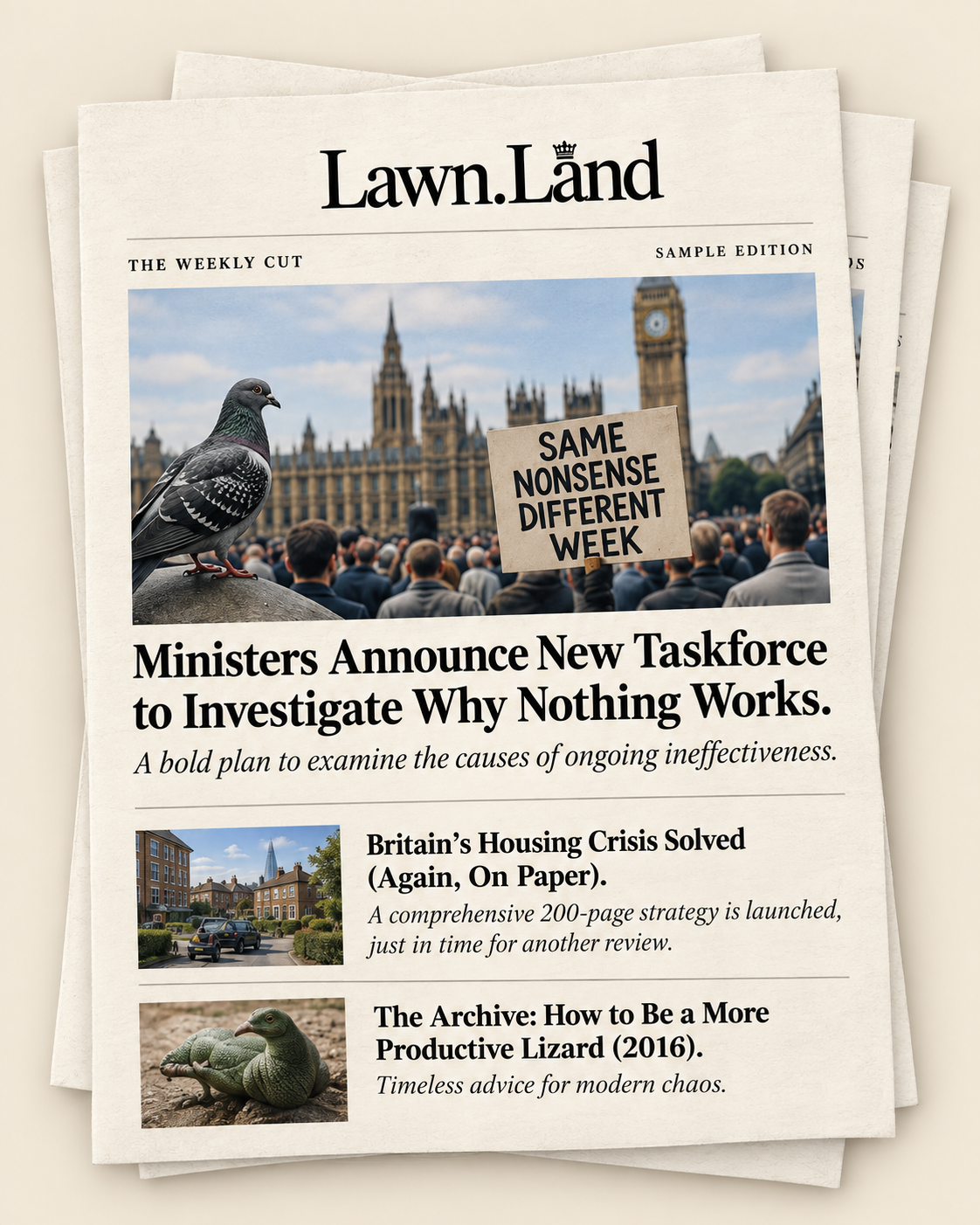
The UK has unveiled a new approach to international development in which countries are encouraged to become self sufficient, beginning with the delicate national skill of surviving a conference about self sufficiency.
At the G20 Development Ministerial Meeting in South Africa, the Government presented economic growth, private investment and innovative finance as routes away from traditional aid. The stated ambition is to help countries build resilient economies, create jobs and eventually require less outside support.
This is a serious policy objective. It is also an impressive attempt to make the word partnership carry several generations of donor language through customs without declaring the extra baggage.
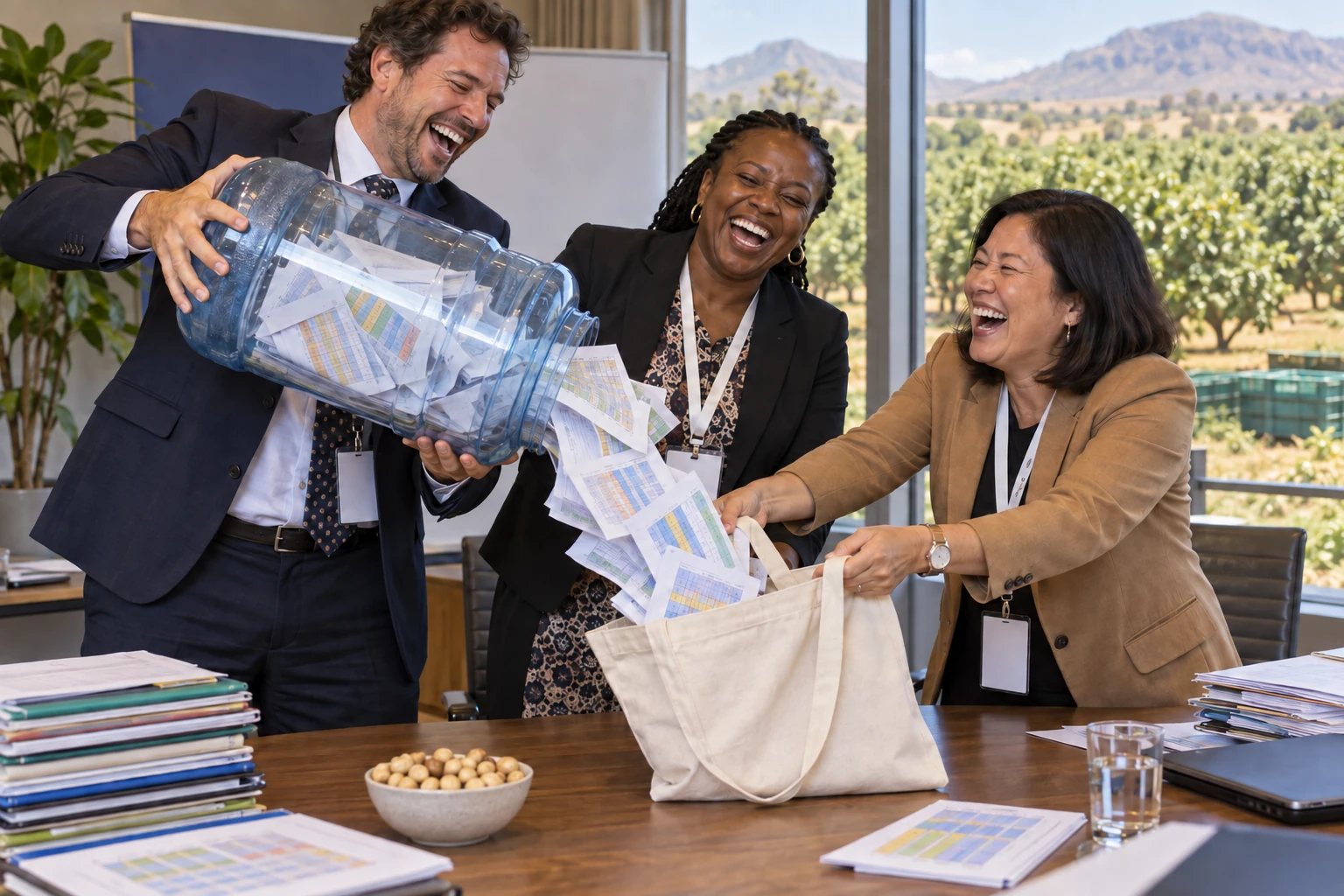
Baroness Chapman visited a South African macadamia producer supported by British International Investment, where the connection between finance and actual jobs was visible to the naked eye. Officials were therefore able to observe development in the wild without arranging a panel called Observing Development Success: A Locally Led Reflection.
Lavinia, Envoy for Sustainable Lanyards, welcomed the shift. Every grant will be described as catalytic until it starts fizzing, she explained, after which it will be reclassified as an exciting opportunity for further stakeholder engagement.
The approach places more emphasis on investment that can generate a return, while retaining wider goals such as green growth, resilience and poverty reduction. In practice, public money attracts private money, which attracts further public explanation, which eventually attracts a photographer standing beside a tasteful plant.
The programme also puts illicit financial flows on the agenda, which is the official term for money leaving poorer countries through routes that appear to have been designed by a magician with a finance degree. Dirty money is promised nowhere to hide. Clean money, meanwhile, may still need a twelve page declaration before entering the meeting room.
The other visits provide a useful contrast. A food producer supported jobs. A care centre supported survivors of gender based violence. Around them, the conference documents supported an entire ecosystem of verbs, each one carefully protected from contact with an ordinary sentence.
The meeting ended with partnership, investment and continued cooperation. In diplomatic language, the policy has moved beyond aid and entered the thrilling new phase in which everyone funds the next meeting about how to measure the previous meeting’s commitment to funding meetings.
Real story: Foreign, Commonwealth & Development Office.