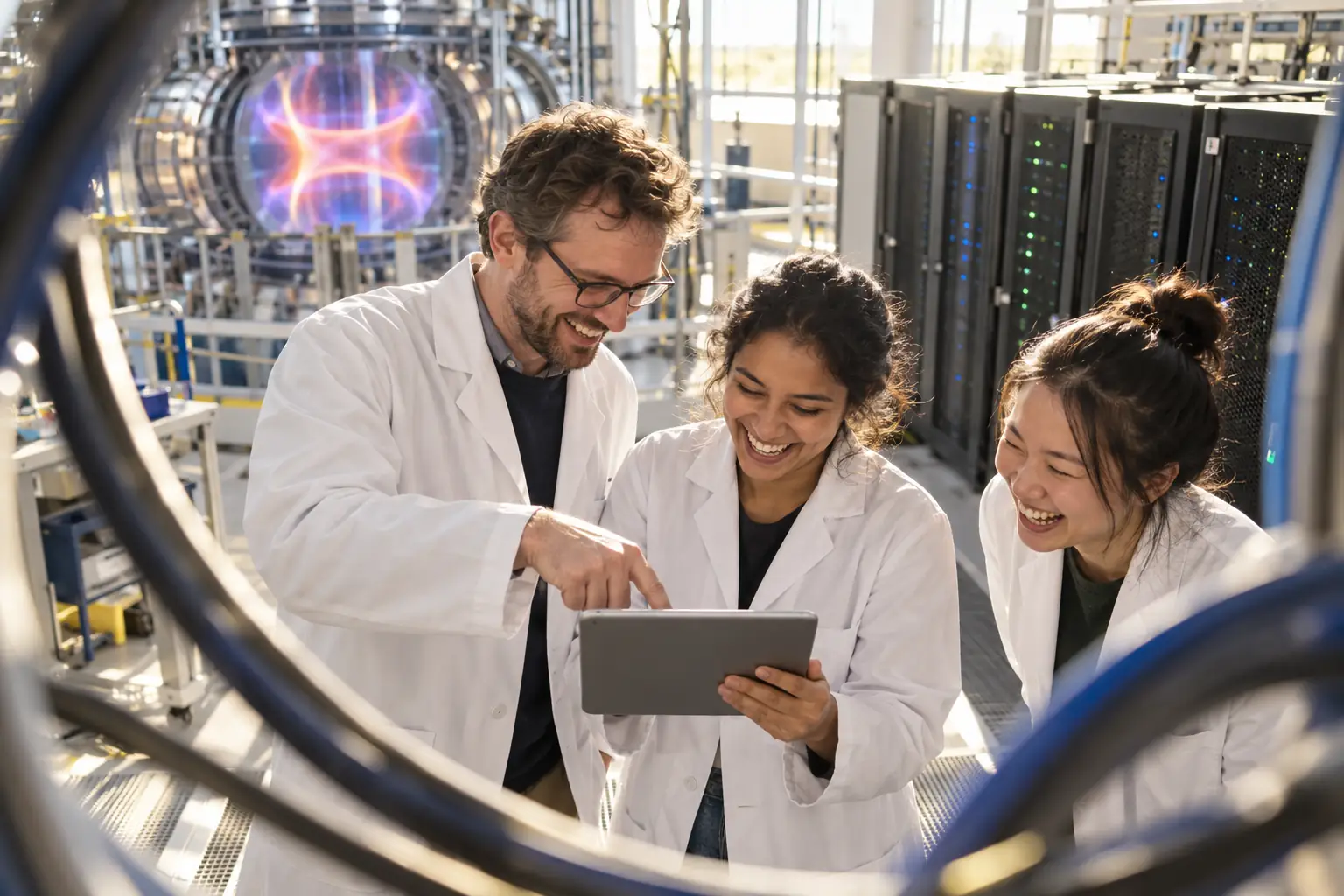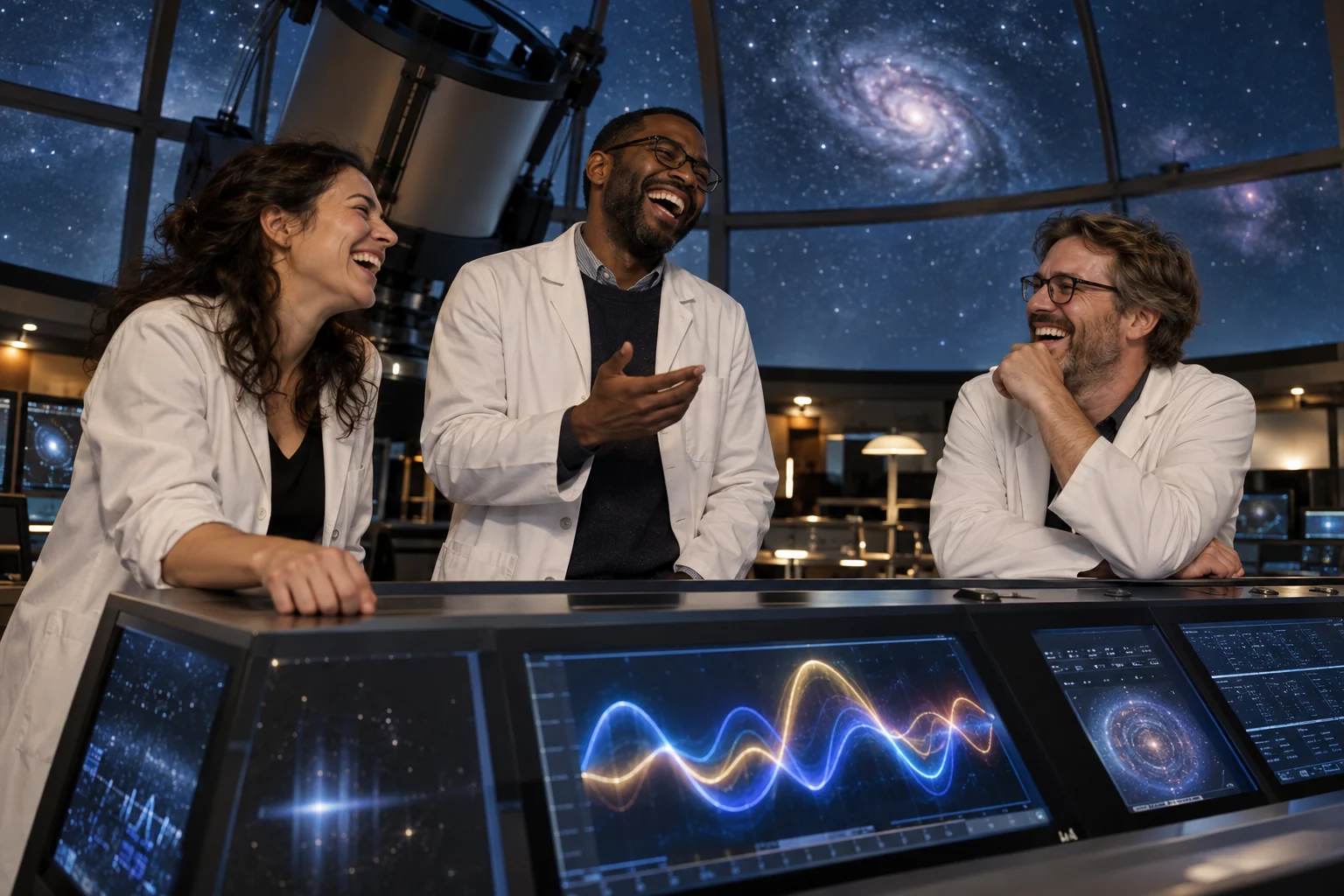
Cosmic collision detection has doubled through an international research collaboration. Space has responded by behaving as though it has always been available for a serious meeting, provided someone brings a telescope and a very patient spreadsheet.
UK Research and Innovation says the collaboration improved detection of gravitational wave events from colliding black holes and neutron stars. The science is serious. The fictional Office of Extremely Distant Incidents has nevertheless asked every collision to complete an arrival form.
Cosmic collision detection gets a better inbox
Gravitational waves carry information from violent events far beyond Earth. Detecting more of them gives researchers more chances to study the universe. It also gives fictional coordinators more chances to ask whether two black holes merged in accordance with the agreed meeting agenda.
“We doubled the detections,” laughed fictional analyst Mira Orbit. “The next task is finding a calendar that works for two objects that disappeared billions of years ago.”
The collaboration combines expertise, instruments and data analysis. That is how science turns a faint signal into evidence. In the fictional office, it is how a cosmic event receives a lanyard and an invitation to a workshop about stakeholder alignment.
Space acquires a reference number
The new detections help scientists build a clearer picture of extreme events. Meanwhile, Mira has issued each collision a reference number, a progress tracker and a gentle reminder not to create another gravitational wave without first checking the room booking system.
By Friday, the universe had produced several more signals. The office called this encouraging engagement. Somewhere, two black holes have completed a merger and are waiting for feedback on whether the paperwork captured their journey.
Source: UK Research and Innovation.