England’s latest dry weather report has delivered the rarest kind of official emergency, one in which rainfall is close to average, reservoirs are broadly where they should be, and everyone is still being asked to behave as though the sky has mislaid the instructions.
The Environment Agency report covering 18 to 26 June said England had received 97% of its long term average rainfall for June at the reporting point. It also said soils remained dry in the southeast, river flows were normal or below normal at most indicator sites, and some rivers in central, eastern and northeast England were notably low. The weather has therefore achieved the impressive administrative feat of being statistically ordinary and practically inconvenient.
Reservoir storage stood at 87.5% for England in the week ending 23 June, described as the long term average for the time of year. This is reassuring, unless you are a reservoir being asked to provide reassurance while several departments inspect you for signs of insufficient reassurance.
Hot weather had driven high demand for water. Anglian Water and South East Water had moved into drought level 1 in specified areas, while South East Water announced a temporary use ban in Kent from 3 July. The company was not experiencing a drought, the report explained, but was restricting certain uses of water because demand was putting pressure on the network. This is the sort of distinction that makes perfect sense after several hours inside a filing cabinet.
The Cam and Ely Ouse, North West Norfolk and North Norfolk catchments moved to prolonged dry weather status. Farmers were facing pressure on irrigation reservoirs, with some holding only 50% to 60% of capacity, while groundwater levels were falling seasonally and were notably low in some areas. The national response is described as well prepared and actively co ordinated. A fictional briefing folder has added a further category called prepared to explain why preparation is not panic.
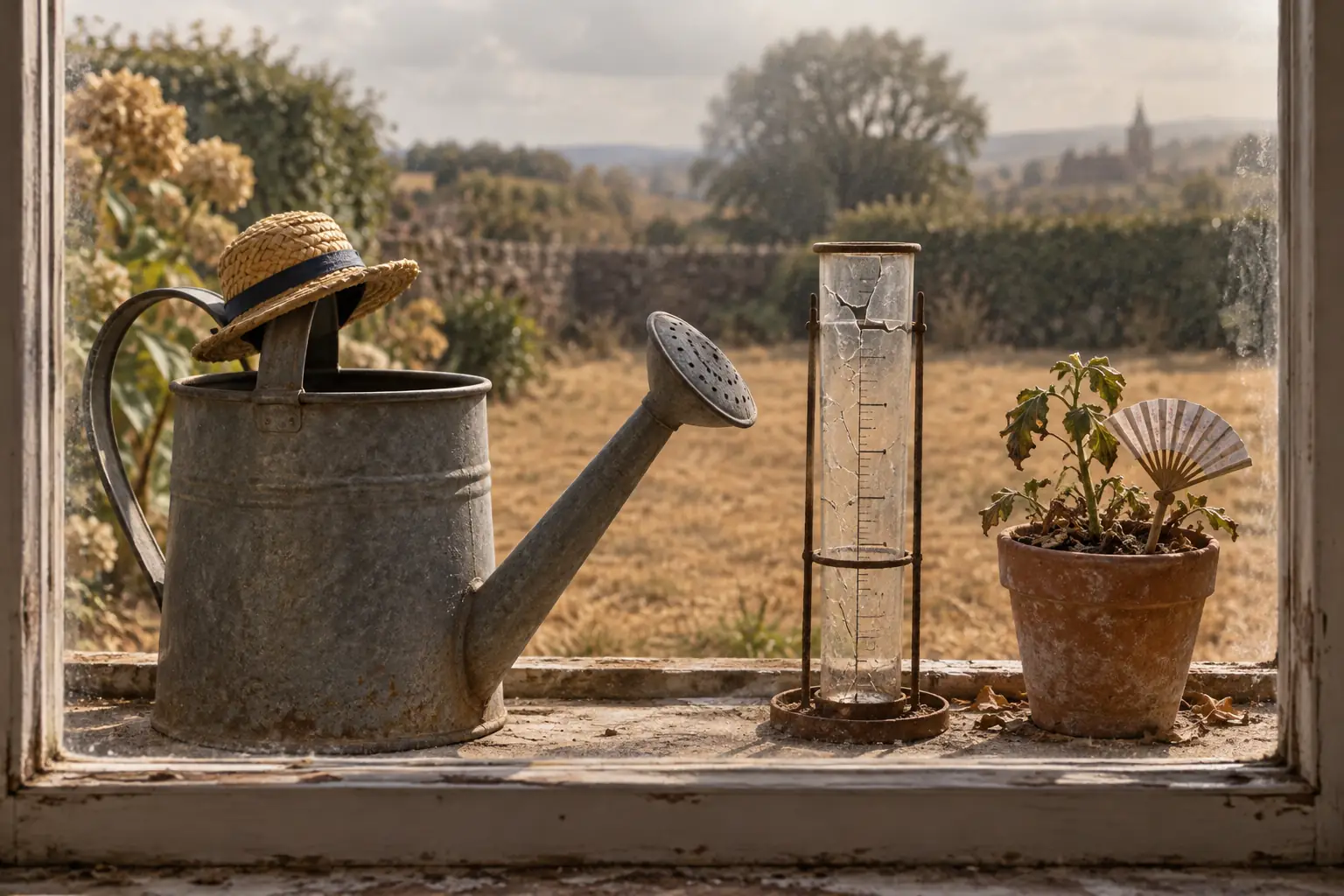
The National Drought Group is due to meet monthly through the summer, giving the situation plenty of time to become either wetter or more heavily minuted. The watering can has accepted that near average rainfall can coexist with dry soil, rising demand and local restrictions. It has requested that future weather be supplied in a format that does not require a committee to decide whether a puddle counts as good news.
Until then, the nation can rely on its most reliable water system of all: officials standing beside a full reservoir, explaining that it is not technically worried.
Source: GOV.UK.