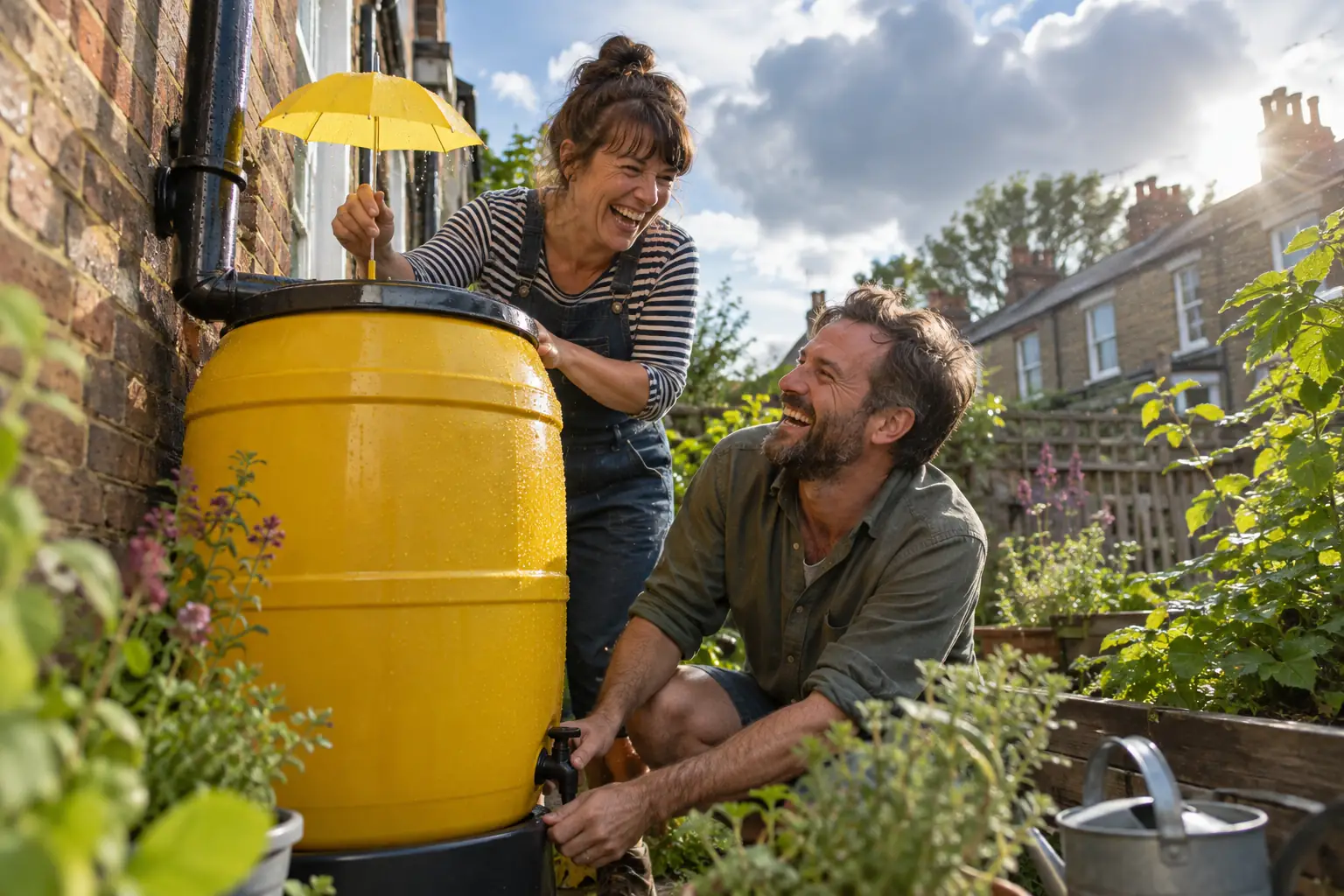
The climate adaptation report has arrived to explain that Britain’s response to flooding, heatwaves and drought should involve understanding actual people. The rainwater butt is delighted. It has spent years being treated as infrastructure, despite having strong views about local context and an excellent handle.
The climate adaptation report meets ordinary life
The Government Office for Science published the report on 28 July 2026. The ACCESS Adaptation and Resilience Task Force co developed it. The report says climate adaptation needs more than better infrastructure and clever technology.
Policy makers should also understand how people experience risks. They should consider how people make decisions and respond to support. This sounds sensible. A flood defence may work perfectly, but it cannot persuade a frightened household to use it.
It also cannot explain a complicated grant form or carry a soggy mattress upstairs. The report gives human behaviour a seat at the table. The rainwater butt has complained that the chair is too high.
Professor Dame Angela McLean says social, behavioural, economic and cultural factors shape people’s choices. In plainer terms, policy works better when it recognises that the public is not a cheerful collection of identical levers.
People centred policy, according to the rainwater butt
The report draws on research, expert advice and workshops. It sets out practical ways for policy makers to use social science evidence when they develop measures for flooding, heatwaves and drought.
Officials should ask how a policy behaves in a kitchen, a street or a workplace. That question should come before anyone announces that the policy feels wonderfully user friendly.
Our fictional rainwater butt welcomes this development. It has finally become a stakeholder. However, it remains suspicious of consultations that begin with a password and end with a document called final version eight.
The climate adaptation report does not promise to make climate risks disappear. It asks whether people can understand, afford and use the measures designed to protect them. That is less glamorous than unveiling a clever machine. It is more useful when the machine needs somebody to complete a form during a flood.
The butt has prepared a five point strategy covering runoff, drought, household confidence and biscuits. Its final recommendation is simple. Every national resilience meeting should include one object that has actually spent an afternoon outside.
At last, a policy stakeholder with water damage, practical experience and no interest in becoming a consultant.
Source: GOV.UK.