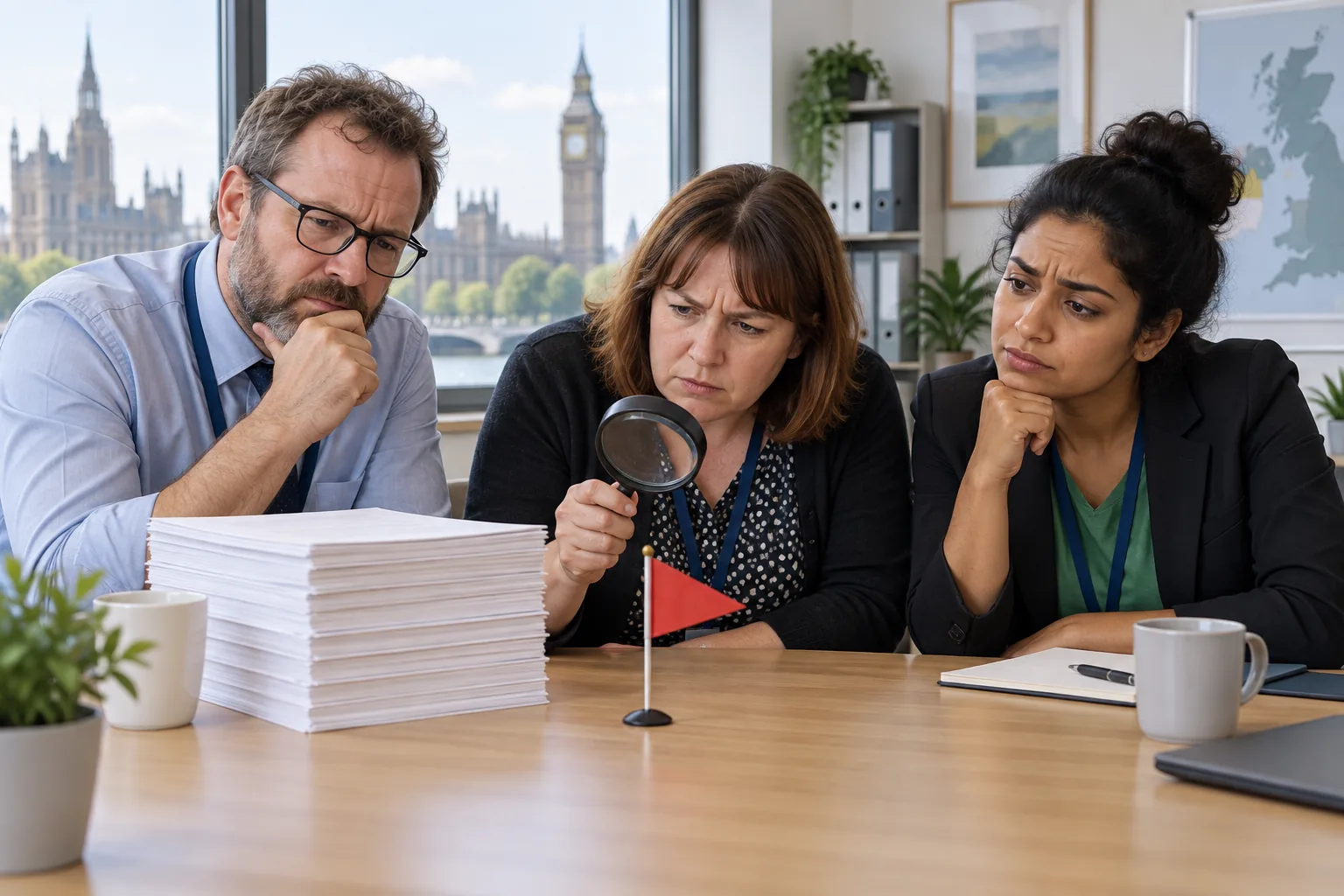
Cabinet Office hires man to ask whether Cabinet Office has done its homework
The Cabinet Office Board has appointed John Fallon as its lead non executive member. His task is to offer strategic oversight, independent challenge and the unfamiliar sensation of somebody asking whether the thing has actually happened.
Fallon will serve for three years. This gives the department ample time to locate a delivery plan, translate it into a coloured diagram and schedule a meeting to discuss whether the diagram feels delivered enough.
The board brings together ministers, senior executives and outside members. They monitor performance, advise on strategy and assess major risks. In other words, they perform the rituals usually required before everyone agrees to form a smaller group.
Independent thought arrives with a lanyard
Fallon has led large organisations and holds academic and charity roles. He will now apply that experience to a department whose work often involves explaining what the Cabinet Office does. This may require a glossary, a compass and a witness.
“An outside voice keeps a meeting honest,” said Verity Agenda of the Institute for Questions That Were Not On The Agenda. “We place one difficult query between apologies and any other business, then invite it to join a working group.”
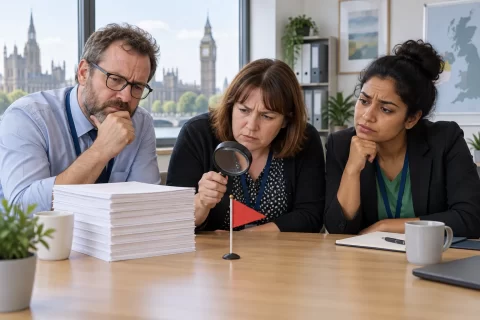
Officials prepared a red folder marked Independent Thought. Nobody accepted ownership without terms of reference. Eventually it was placed beside the biscuits, where it could observe accountability at a safe distance.
Non executives are expected to challenge ministers and officials while remaining outside daily management. They must understand delivery closely enough to question it, but not so closely that someone asks them to fix the printer. This is the ancient constitutional balance on which British government rests.
Success will mean clearer decisions, better scrutiny and at least one meeting ending before anyone proposes a subcommittee. Failure will mean the board appoints another independent person to ask where the first one got to.
Read the real story: GOV.UK announcement on the Cabinet Office Board appointment