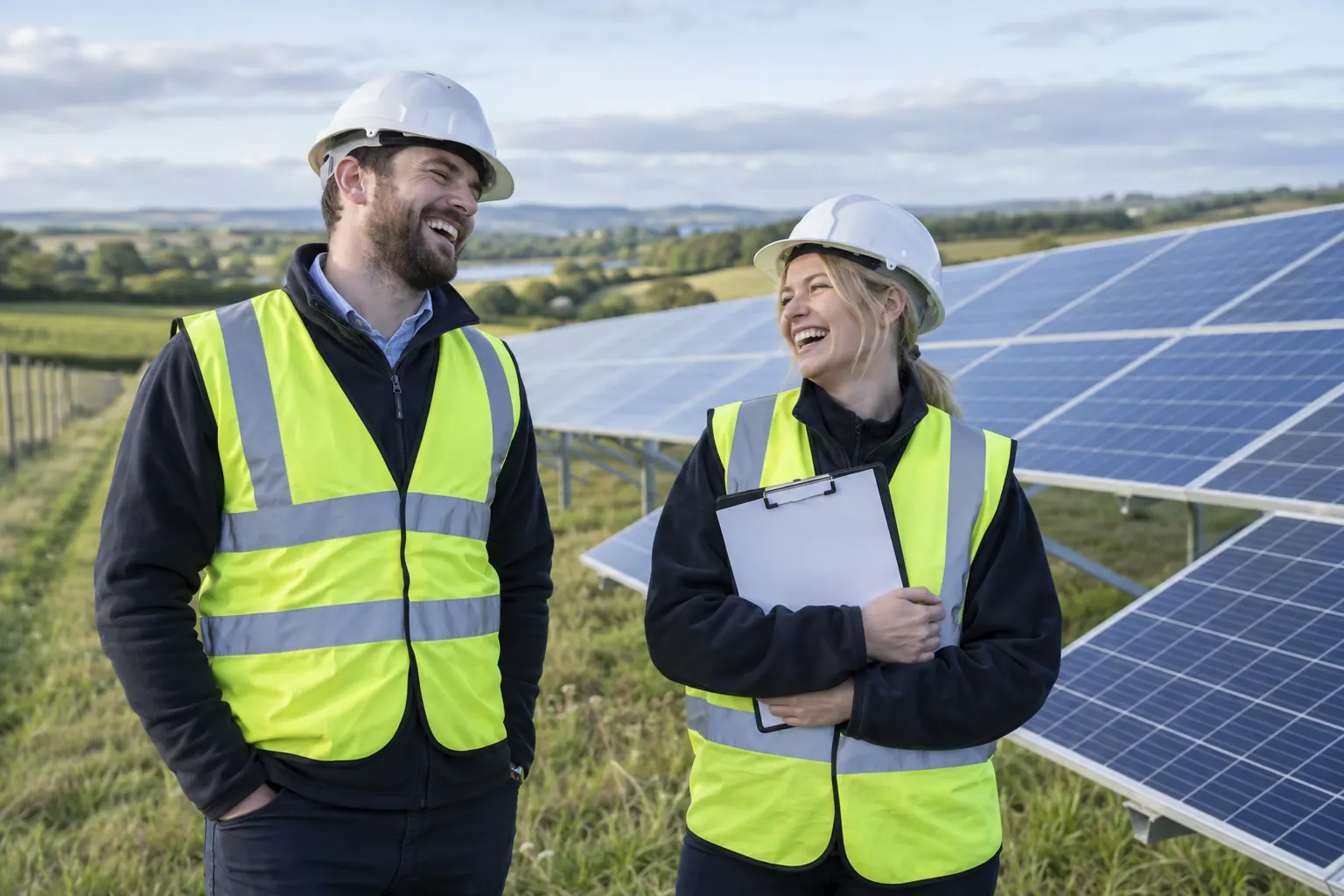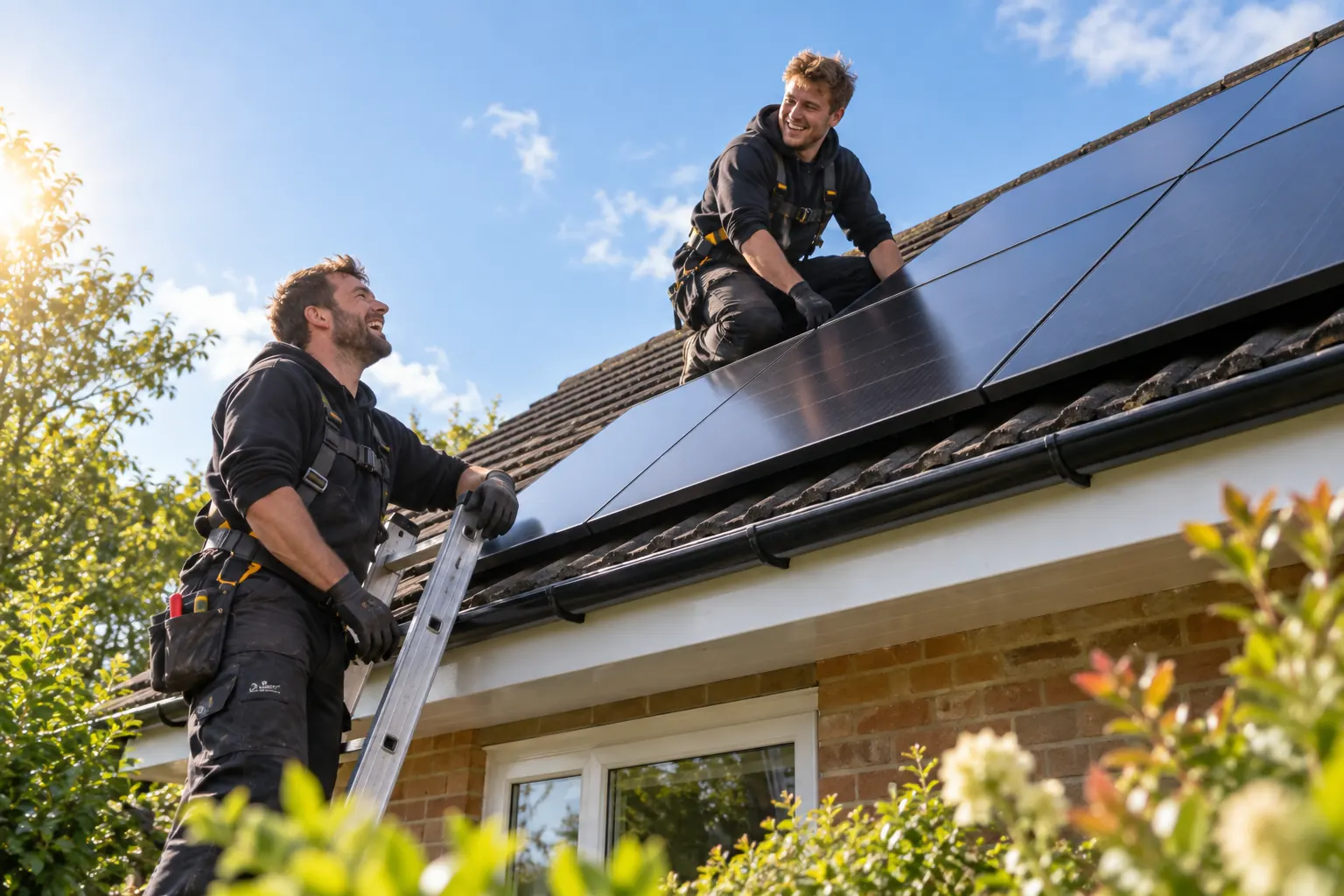
Britain has passed two million solar installations, proving that the national energy strategy can now be seen from space, or at least from a neighbour’s loft conversion. The Department for Energy Security and Net Zero said on 30 April that more than 27,000 installations were completed in March, the highest monthly total since 2012. Two thirds were on homes, meaning the nation’s rooftops are finally contributing to the energy debate, mostly by becoming too hot to touch and demanding representation.
The department presented the figures as evidence that the clean power mission is gathering speed. Solar capacity rose by 11.7 per cent over the previous year, with an additional 2.3 gigawatts entering Britain’s energy mix. March also saw solar generation pass 15 gigawatts for the first time, giving the sun a brief opportunity to boast about its productivity before disappearing behind a cloud and leaving the paperwork to everyone else.
The announcement said the growth would help protect households and businesses from volatile fossil fuel markets. This is welcome news for anyone who has opened an energy bill and wondered whether their supplier had confused a monthly charge with the gross domestic product of Luxembourg. At last, the roof can generate electricity while the tariff generates character.
The government is backing solar on schools and colleges, supporting installations on 100 sites this year. Subject to final approvals, an additional £100 million for the Social Housing Fund could help deliver up to 57,000 more installations during the financial year. The phrase “subject to final approvals” remains Britain’s most reliable renewable resource, allowing an idea to produce warmth indefinitely without generating a single watt.
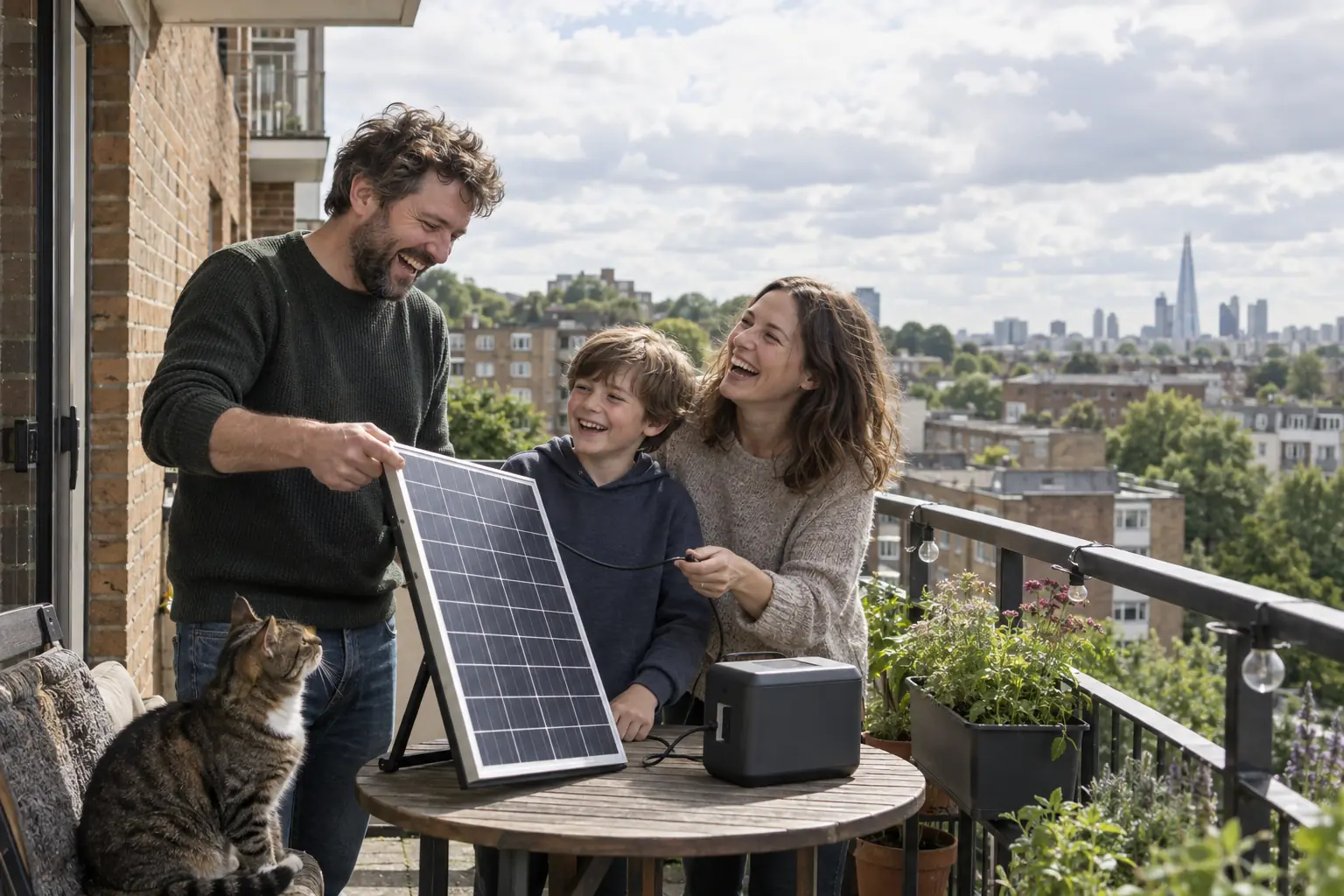
New homes in England are due to have solar panels fitted as standard, while plug in panels are expected in shops within months. These smaller units will let families generate power from balconies and outdoor spaces, assuming the balcony has not already been requisitioned by a barbecue, three bicycles and a plant that died during the last planning consultation. The national grid may soon discover that every conservatory has a manifesto.
Energy Secretary Ed Miliband said the numbers showed the clean energy mission in action. The numbers certainly speak for themselves. They have been speaking continuously since March, while the filing cabinet containing the supporting paperwork has requested a window seat, a pension and formal recognition as a strategic partner.
The useful point is less glamorous than the press release. Solar works best when installations are affordable, properly connected and available to ordinary households, schools and communities. The government has supplied a record, a mission and several polished verbs. The roofs have supplied the actual surface area, which is an awkward level of participation for an institution that cannot attend a ministerial briefing.
Britain’s energy revolution has reached its most British stage: millions of homes are harvesting sunlight while officials explain that this is precisely what they meant all along. The final challenge is not persuading the roof to do its civic duty. It is stopping the national grid from asking every conservatory to chair a committee.
Source: GOV.UK.