The Government has announced 19 new Technical Excellence Colleges, backed by £175 million, so around 65,000 learners can train for the industries of tomorrow while the rest of us continue learning which printer is technically available.
The colleges will focus on advanced manufacturing, clean energy, defence, digital and technology. The announcement presents them as a route into high skilled, well paid work, which is encouraging for anyone whose career plan has previously depended on selecting the correct answer from a form designed when the industrial revolution still had a customer service department.
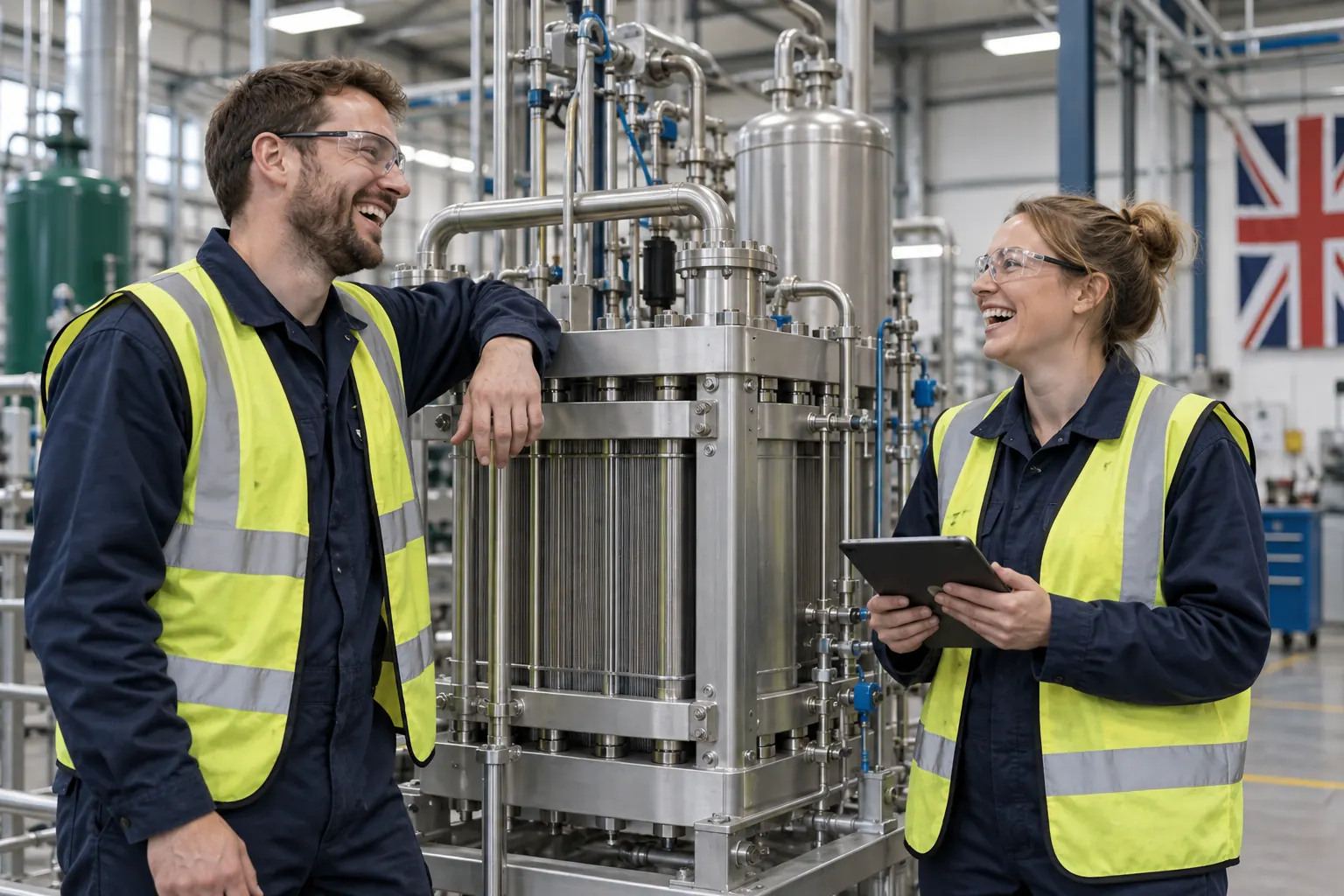
The funding will support teaching, improved courses and specialist equipment. This means students may gain practical experience from proper machinery rather than from shaking a vending machine and discovering that public infrastructure has already mastered advanced manufacturing.
The Government says almost 600,000 additional workers will be needed by 2030 in the relevant sectors. Britain is therefore preparing for a dazzling technological future, provided the people running the programme can locate the meeting room, approve the access card and agree which spreadsheet contains the final version of the spreadsheet.
The colleges will act as hubs, sharing expertise with other providers and aligning training with local industry. It is a sensible attempt to connect education with nearby jobs, rather than expecting every aspiring technician to relocate because one distant building contains the only working simulator and a receptionist who knows where the extension leads are.
The announcement also places technical education alongside university as a route to opportunity. That is useful, although the country may need several more funding rounds before practical competence stops being treated as an unfortunate side effect of failing to acquire a ceremonial debt and a framed certificate.
There is no promise that the colleges will solve every skills shortage or manufacture every job described in a ministerial sentence. They do offer training, equipment and a clearer route into growing industries. The serious challenge is turning a polished national plan into ordinary working systems that people can actually use without assembling a committee to explain the instructions.
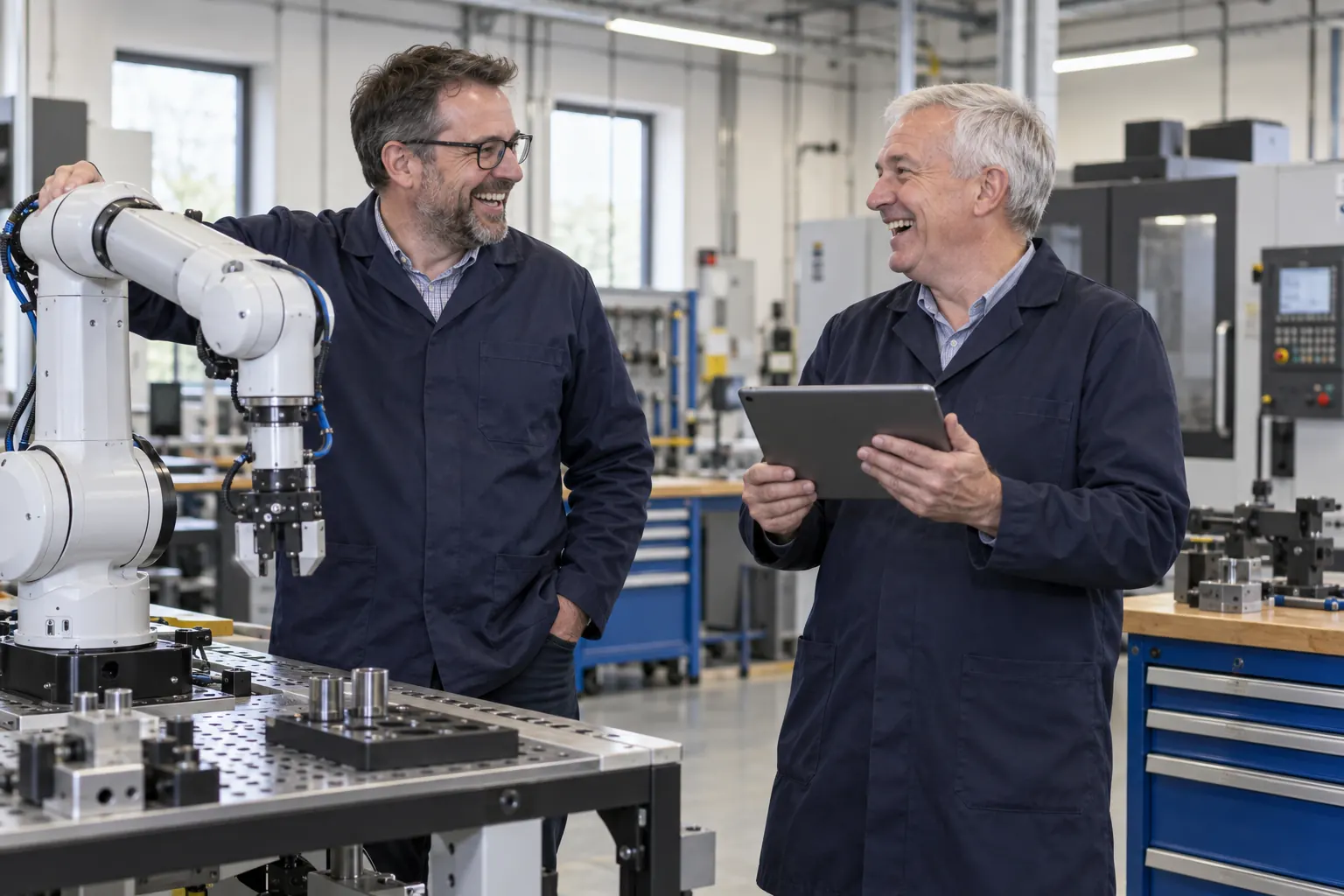
The robot arm supports the investment. It has now applied for office hours, requested a personal development plan and asked whether its lifting technique can be marked as leadership. The college administrator replied that the form was nearly complete, which is how Britain finally taught the machine the most advanced skill of all: waiting for an email that says someone else is dealing with it.
Source: GOV.UK.