The South Yorkshire hydrogen investment has arrived with £86.5 million, more than 400 announced jobs and the sort of industrial optimism usually stored in a ministerial hard hat. The water is being split into hydrogen and oxygen, while the press release is splitting one investment into several generous portions of national destiny.
On 9 April 2026, the Government said Great British Energy would invest £40 million in ITM Power UK Ltd in South Yorkshire. A further £46.5 million government grant was announced in principle for expanded hydrogen technology manufacturing. The proposed project would support a 1 GW expansion and more than 400 jobs, although the grant remains subject to review and advice from the Subsidy Advice Unit.
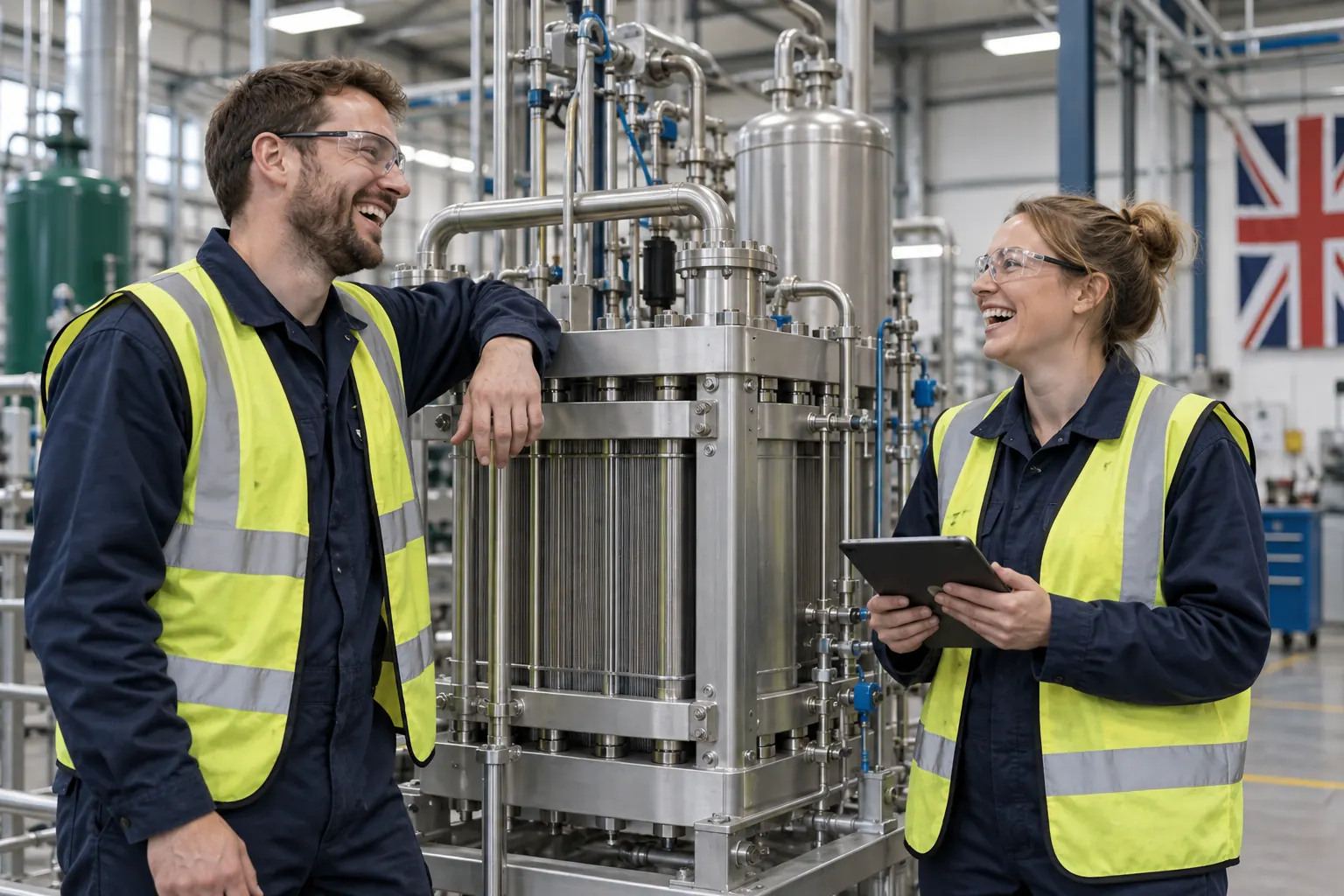
This is the practical magic of modern industrial policy. Electricity enters a machine, water is separated and a factory emerges from the other end carrying a spreadsheet about national renewal. The electrolyser does the difficult work, turning electricity into hydrogen and oxygen. The press release handles the easier work, turning proposed funding into a clean energy superpower mission before anyone has found the kettle.
Great British Energy said the investment would make it a shareholder in ITM Power. That gives the publicly owned energy company a stake in a business manufacturing equipment needed to produce green hydrogen. It also gives the Government a chance to describe a building full of machinery and skilled workers as a historic industrial transformation, preferably before the machinery has had time to make anything historic.
The announcement presents South Yorkshire as the home of Europe’s largest electrolyser factories and frames the project as the next chapter in the region’s industrial history. This is a considerable burden to place on a machine whose immediate responsibility is separating molecules without misplacing the paperwork.
A fictional water molecule attending the announcement asks whether its oxygen can be kept nearby for emotional support. It is told that the project is intended to improve energy security, reduce emissions in hard to electrify sectors and create skilled jobs. The molecule asks for a timetable, a named contact and confirmation that “in principle” is not a new state of matter.
The project may build domestic manufacturing capacity and support the Government’s hydrogen ambitions. For now, it remains part industrial strategy, part funding proposal and part announcement wearing a bright safety helmet. The water has been split, the money has been announced and the grant is still waiting for its official identity card. Even the molecule has supplied more evidence of existence.
Source: GOV.UK.