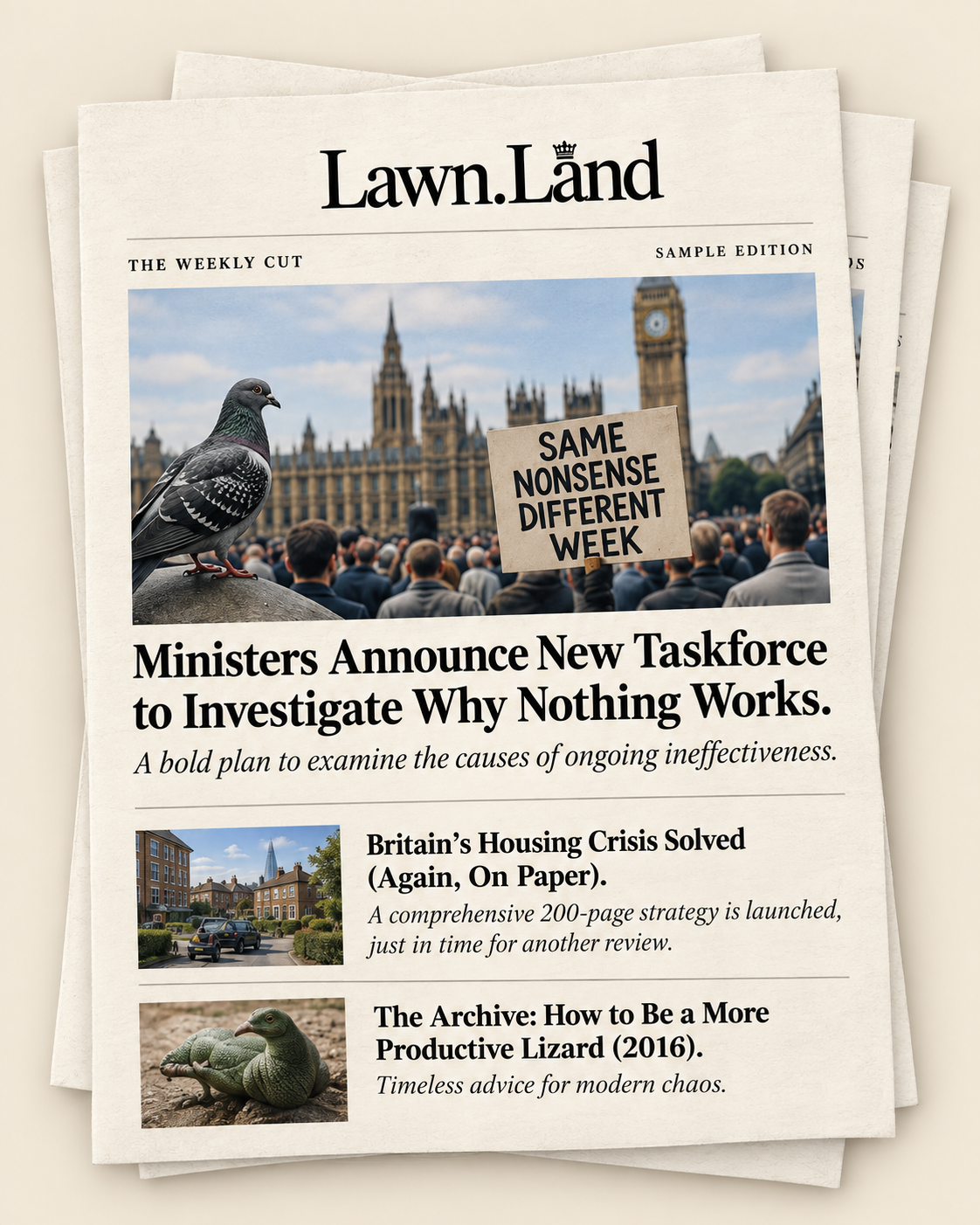
The Committee on Standards in Public Life has told Britain’s public bodies to spot trouble before it becomes a full blown crisis. Some departments would first need to open an email before the inquiry into it.
The Committee says public bodies must recognise and act on warning signs sooner. Officials welcomed the clarity, then asked whether staff must file a warning sign in triplicate, ask somebody unavailable until September to sign it and place it on a dashboard nobody can access.
The smoke is now an emerging narrative
Under the proposed system, a problem becomes urgent after it has appeared in three reports, two whistleblower accounts and the background of a ministerial television interview. Until then, officials classify it as an opportunity to gather further evidence about whether flames are visible.
Prudence Canary, Permanent Secretary for Things Everyone Can See, said: “Departments do not ignore warning signs. We give them a case number, a colour and a meeting next Wednesday. By the time anyone asks why nothing happened, the original concern has become a legacy issue with its own chair.”
A new escalation system will improve accountability. First comes concern. Next comes emerging pattern. After that comes matter for reflection. Soon after, operational learning arrives. Finally, a person with no connection to the original decision appears on television to say lessons are being learned.
To ensure early action, staff receive a button reading “raise concern”. It opens a form. That form opens a portal. The portal announces that improvements are taking place.
Officials said the system gives public bodies a much better chance of preventing failure. The pilot ends when a crisis causes the server to crash. Officials will then call it a useful early warning sign and place it in the lessons folder for future emergencies.
Read the real story: the Committee’s report on warning signs.