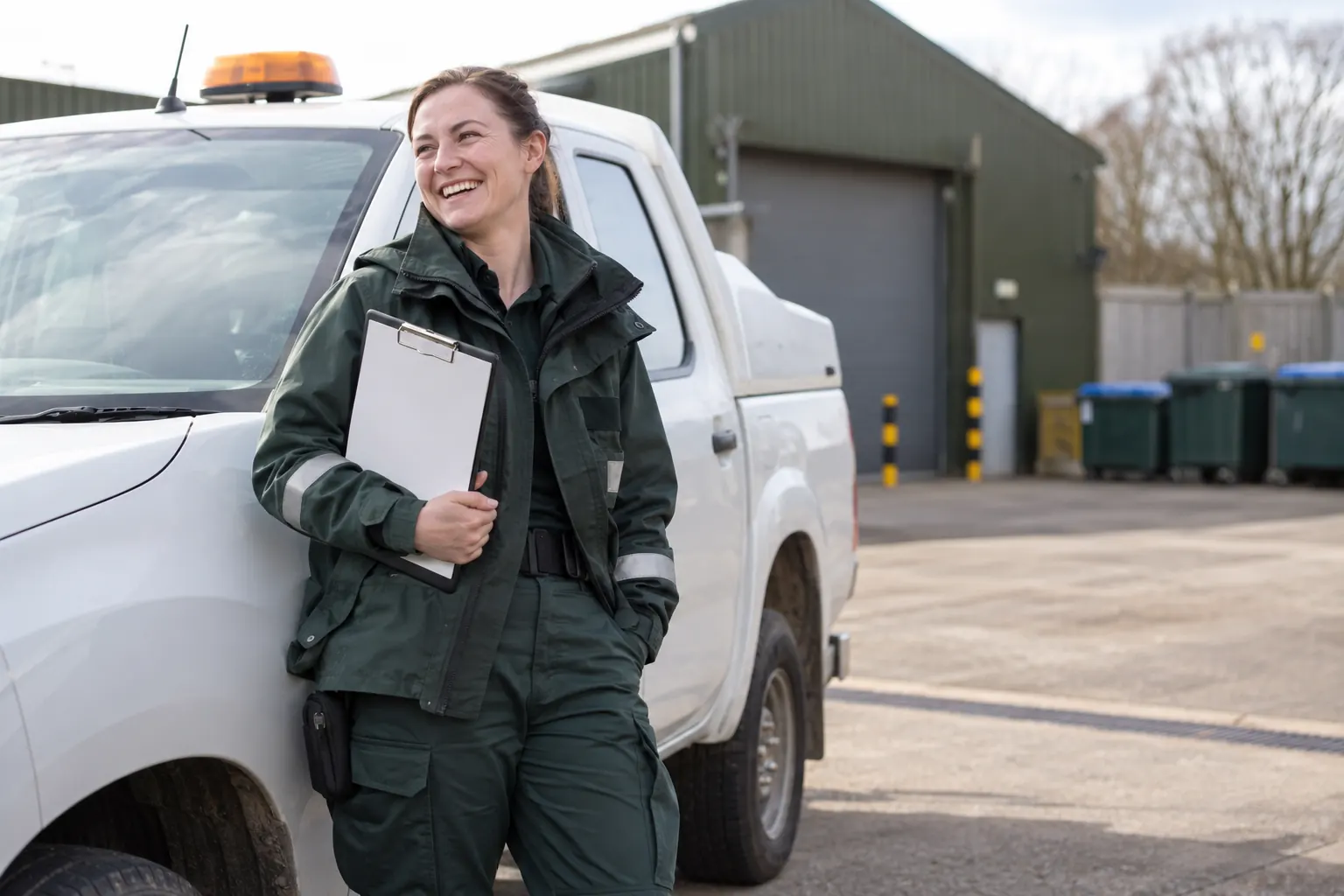
New fly tipping vehicle guidance asks councils to bring a clipboard, a tow truck and the sort of memory normally reserved for a neighbour who borrowed a ladder in 2007.
The government says 1.26 million fly tipping incidents were recorded in England in 2024/25. That is a great many bags, mattresses and suspiciously confident bits of plasterboard arriving in places that did not order them. Britain has always treasured a countryside view. Some people have simply added an unsolicited sideboard.
The new guidance is the first comprehensive document covering the search, seizure and disposal of vehicles linked to fly tipping. It also advises councils on taking cases to court and securing convictions. The vehicle does not get a dramatic villain speech. It gets forms. In public life, forms are how Britain says it has noticed.
The guidance encourages councils to use existing powers, share intelligence and publish images of enforcement activity on social media. It also suggests that seized vehicles could be repurposed to clean up other fly tipping incidents. This is a pleasingly British form of recycling. The van that helped create the mess may eventually be asked to apologise by carrying a shovel.
Officials say 41 councils reported seizing 139 vehicles in 2024/25. The figures also record 572,000 enforcement actions and 69,000 fixed penalty notices during the same period. Somewhere, a spreadsheet is being congratulated for having more consequences than the average abandoned sofa.
The policy is about enforcement, not theatre. Councils must follow the law and make decisions in individual cases. Still, the message is satisfyingly plain. A verge is not a storage unit, a woodland track is not a collection point and I thought someone would deal with it is not an administrative strategy.
Local authorities already face the clean up bill when rubbish is dumped illegally. Clearer guidance may help them act with more confidence, while CCTV, drones and number plate recognition give the countryside a larger audience than it usually gets. Nothing says rural tranquillity like a drone watching a mattress develop a legal history.
The abandoned washing machine can now look forward to becoming evidence, the van can look forward to becoming scrap and the clipboard can finally fulfil its destiny as the most feared object in British environmental enforcement. It has been waiting beside the printer, quietly building a case against the entire contents of the lay by.