The world is better prepared for the next pandemic, according to a WHO assessment that also says preparedness remains fragile and uneven. This is wonderful news for the global clipboard, which has arrived several years after the emergency and is already asking who gets to hold it.
A WHO statement dated 2 February 2026 says countries and international partners have strengthened surveillance, laboratories, workforce training and coordination since COVID 19. It also says progress cannot be taken for granted. The message is therefore reassuring and alarming at once, which is the ideal emotional range for any document containing the word preparedness.
The improvements are real. New agreements, funding programmes, laboratory networks and training systems are intended to help countries detect and respond to future outbreaks. The global response has acquired infrastructure, expertise and several new ways to describe infrastructure and expertise in a meeting.
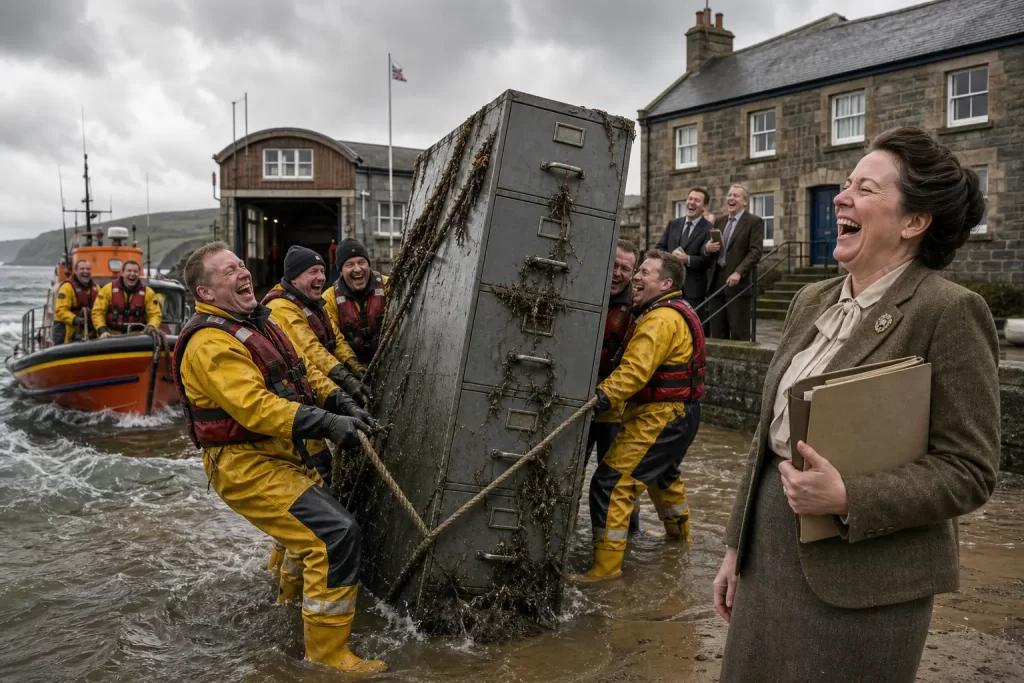
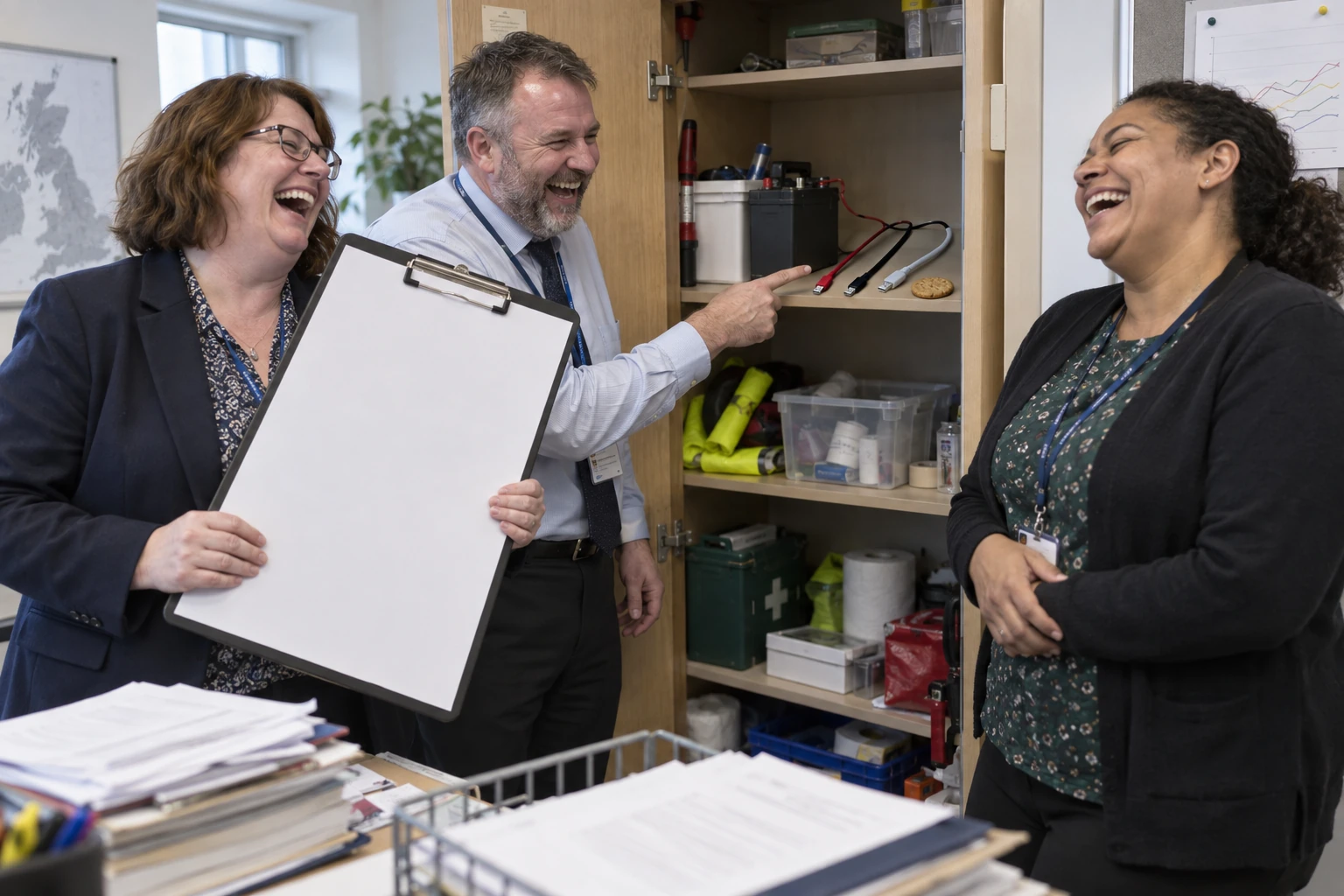
Meanwhile, the International Office of Useful Spare Batteries has inspected its emergency cupboard and found three cables, a biscuit and a strategy from 2012. It has classified the biscuit as reserve capacity, pending a consultation on whether anyone is allowed to eat it.
Mavis Protocol, the office’s fictional coordinator, welcomed the international progress. “A plan must work before the crisis,” she said. “It cannot simply say ‘coordinate’ in a larger font, attach a diagram and leave everyone to discover the missing laboratory during the outbreak.”
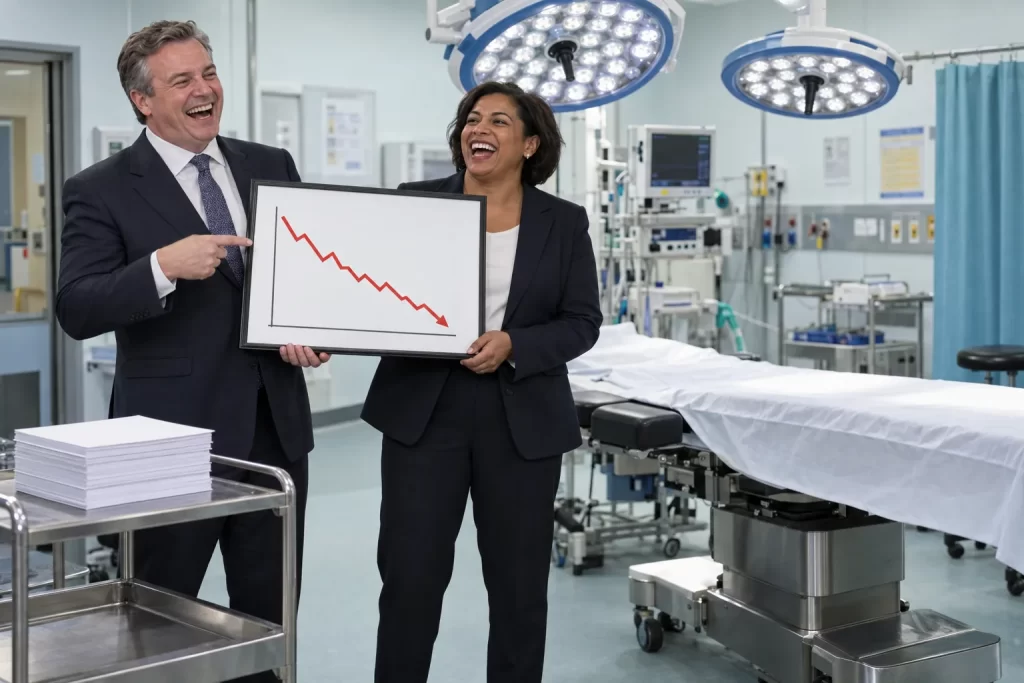
The WHO assessment says funding is shifting towards defence and national security, putting health systems at risk. This is an impressively efficient way to protect a nation from a pandemic by weakening the systems meant to notice one, test for one and stop one spreading.
Preparedness is a permanent task, not a certificate to laminate and place behind reception. Systems need trained people, reliable supplies and cooperation that continues after the cameras have gone home. The clipboard has requested all three, although it has misplaced the pen required to sign for them.
The world has learned that pandemics cross borders, overwhelm slogans and refuse to wait for a review meeting to finish. The next emergency may find stronger laboratories and better trained teams. It may also find the global clipboard outside the cupboard, announcing that the cupboard is now under active surveillance while quietly applying for a stationery budget.
Source: World Health Organization.