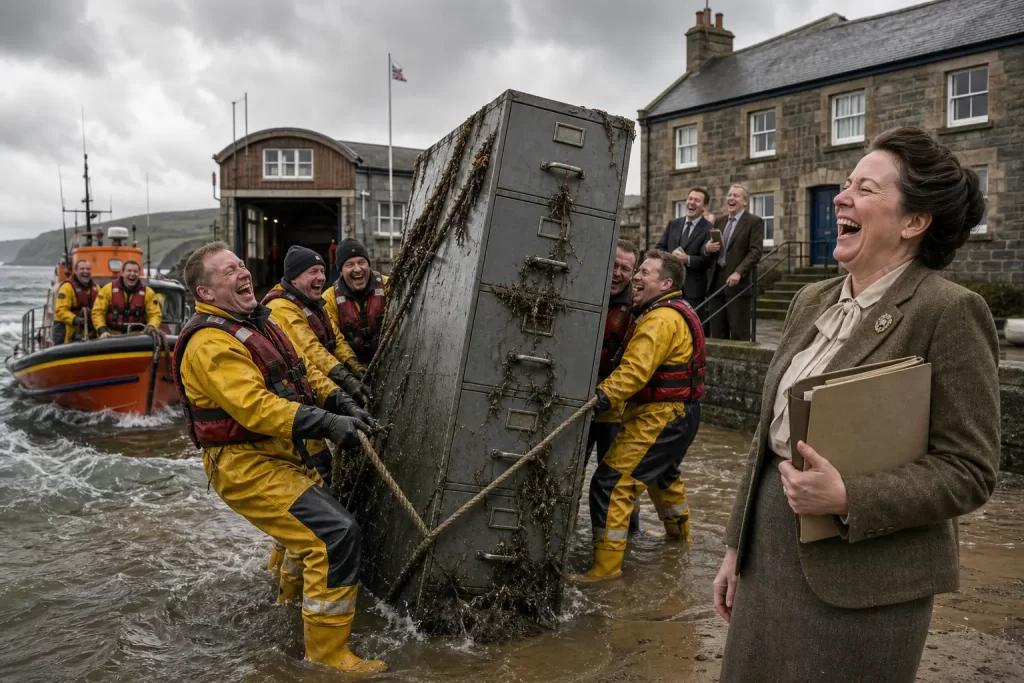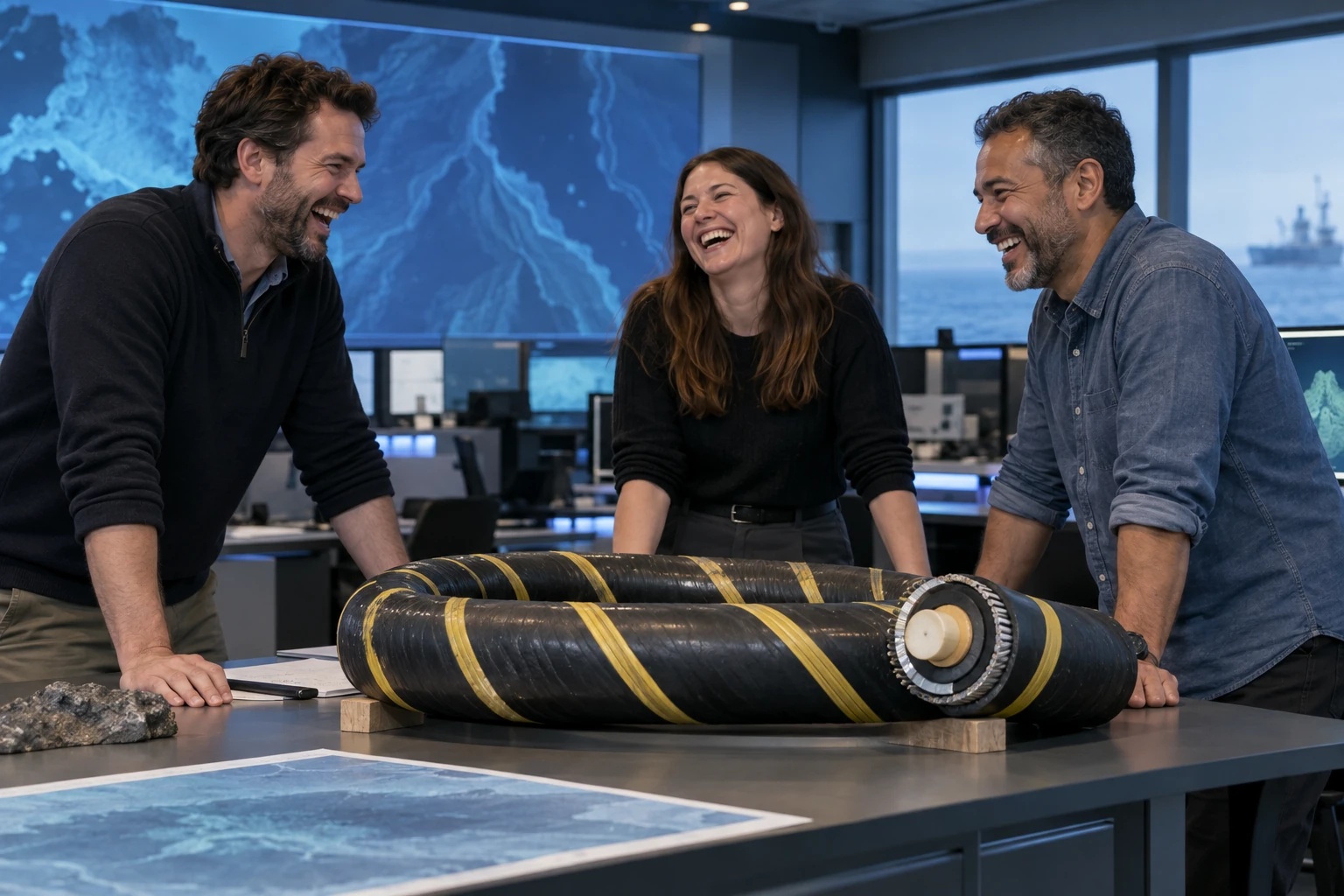
Undersea cable resilience statement sets out shared principles for security, reliability and resilience in infrastructure that carries global communications. The UK, Netherlands and other partners endorsed the statement. The policy is real. A fictional cable has asked for a lanyard and fewer mysterious activities near its face.
Undersea cable resilience meets a very anxious wire
The statement says undersea cable infrastructure includes more than the cable itself. It also includes elements linked to construction, operation, surveillance, maintenance and repair. That scope matters because a network depends on several connected parts. The fictional cable has heard this and immediately requested an organisational chart.
The shared approach calls for resilience, redundancy and security in design and services. It also considers risks from equipment suppliers and damage. Those are serious practical concerns. The imaginary Department of Wet Wires has proposed a tiny lanyard. Nobody has approved it.
Undersea cable resilience avoids the synergy sonar
The statement encourages cooperation to select secure and verifiable providers for new projects, reduce latency, enhance route diversity and anticipate risks. It does not say that every cable needs a motivational speaker. That idea belongs solely to the invented office and its regrettable presentation deck.
Reliable connections support communication and economic activity across borders. They work best when people barely notice them. The fictional cable finds this emotionally complicated but accepts that an uneventful day is usually good news.
The real statement is a set of international principles, not a comedy script. The jokes stay with an imagined cable, a lanyard and a very unnecessary sonar slogan. The infrastructure remains real and the responsibility for protecting it remains practical.
Source: UK Government.