Wastewater monitoring is being asked to become Britain’s early warning system for dangerous pathogens, confirming that the nation’s most informative public health correspondent has been sitting beneath a manhole cover while everyone else attended meetings.
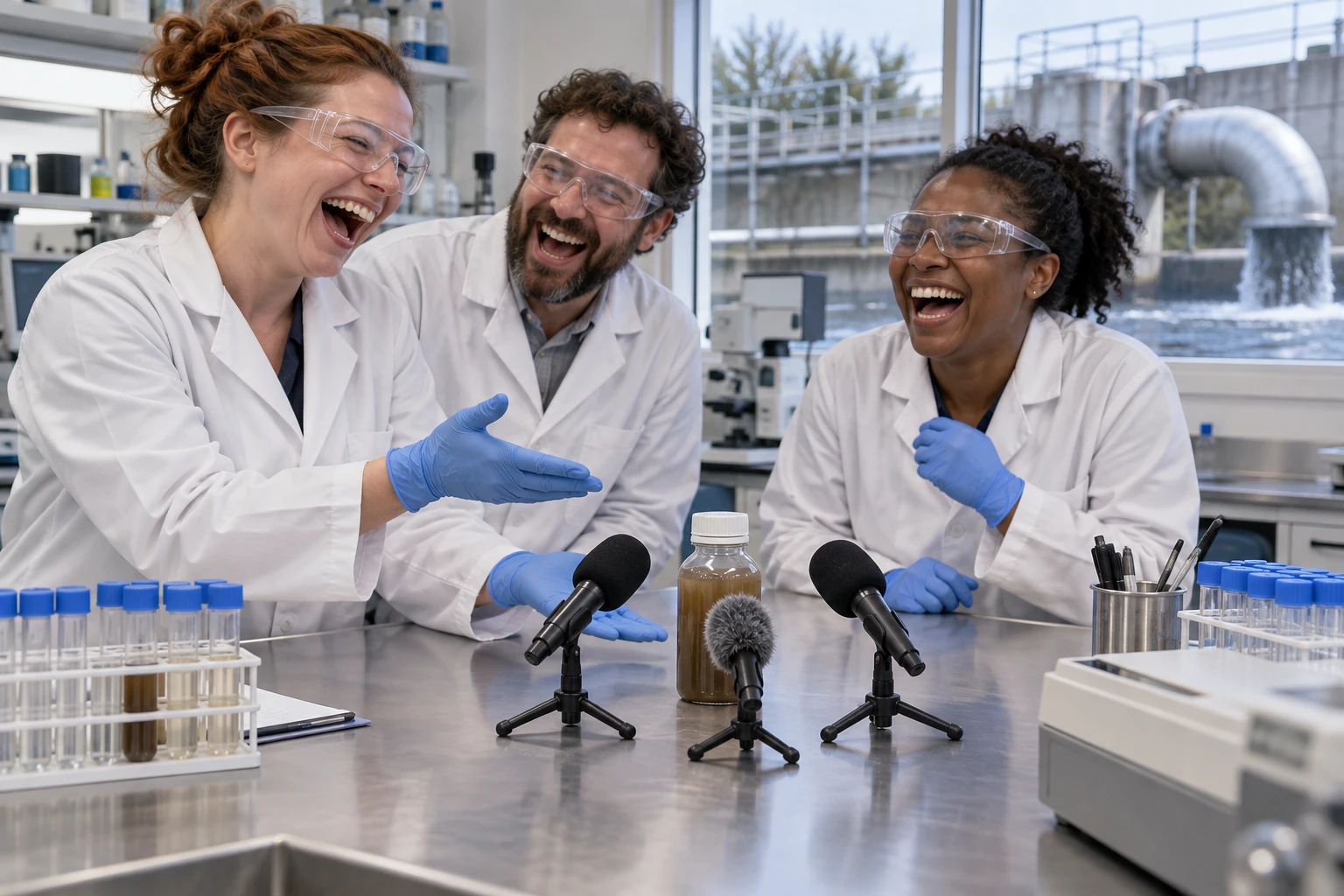
The UK Health Security Agency has launched a £1.3 million programme to assess technologies that detect viral genetic material in wastewater and track how those signals change over time. The project builds on existing surveillance for polio and could broaden testing to threats including mpox, West Nile virus and Lassa.
This may help laboratories spot signs of an outbreak without testing every person individually. Sewage has therefore been promoted from something the country tries not to think about into a national intelligence asset with an unusually relaxed attitude to confidentiality.
“The public tells wastewater everything,” said Professor Cressida, Director of Subterranean Intelligence. “Usually without realising it, and never while wearing trousers.”
The programme will investigate whether new methods can detect pathogens earlier and support faster action. It will also examine diseases not previously targeted through wastewater testing, giving Britain’s drains the thrilling responsibility of learning new names for things they would rather not encounter.
The announcement describes tracking changes in the amount of virus detected over time rather than producing a named list of contributors. This is reassuring, although the average sample presumably contains enough information to establish that somebody nearby has had a difficult week.
The project forms part of a wider biosecurity effort funded through the UK Integrated Security Fund. Somewhere in government, a serious document is explaining that the future of national resilience may depend on a laboratory, a sample bottle and a pipe that has seen things no ministerial committee could survive.
Britain has spent years building systems to collect data, interpret data and hold meetings about data. Now the wastewater is being invited to bypass all three stages and submit its findings directly, probably with fewer delays and considerably more evidence.
At last, Britain has found a source that cannot be intimidated, briefed, lobbied or invited onto a Sunday politics programme. It can, however, block the entire newsroom.
Real story: UK Health Security Agency.