At 6am on Saturday 13 June, the river around Wargrave acquired the administrative confidence of a small nation, with swimmers, boats, patrol launches and one profoundly suspicious kayak expected to respect the timetable.
The restriction covered Marsh reach, from Ferry Lane Slipway in Wargrave to Shiplake Railway Bridge. Swimmers were assigned a buoyed channel on the Berkshire, Wargrave side, while navigation remained on the Oxfordshire, Shiplake side. The kayak studied this arrangement carefully and wondered whether crossing the river now required a passport, a witness and a firm grasp of geography.
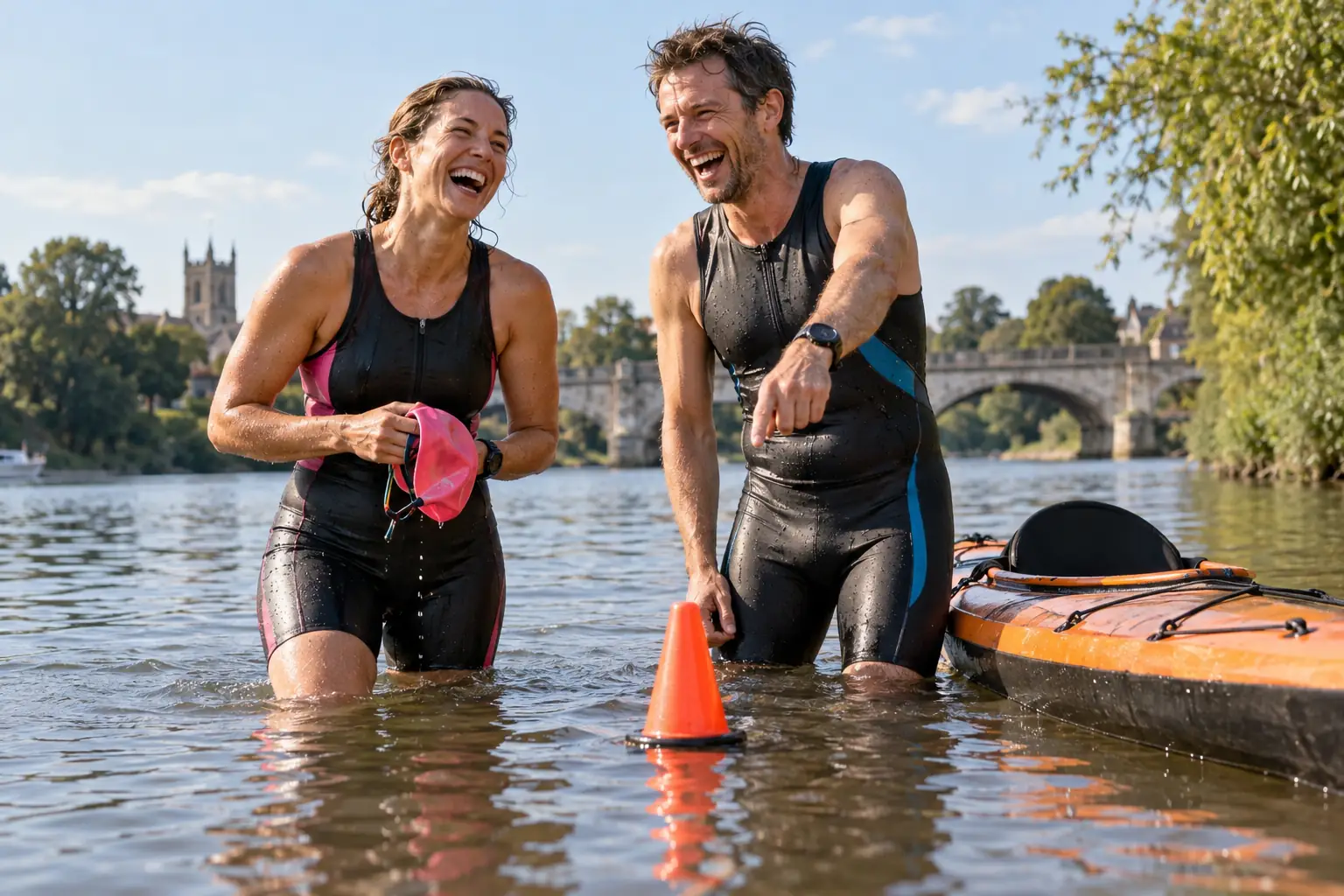
Racing was due to begin at 6.30am, with every swimmer out of the water by 7.45am. Boat masters were instructed to keep a safe speed and maintain a lookout between Shiplake Lock and Ferry Lane Slipway. This was not quite a river closure. It was a temporary transformation of ordinary boating into an examination, with the river acting as invigilator and the buoys quietly marking the answers.
Environment Agency control points and patrol launches could issue instructions. Yet the person in charge of each boat remained responsible for avoiding collisions and deciding whether immediate danger existed. The system had therefore achieved the perfect official compromise. Authority was available everywhere, while responsibility remained firmly seated in the boat, wearing a small expression of concern.
The notice also invoked the Thames Navigation Licensing and General Byelaws 1993 and the Merchant Shipping regulations. Byelaw 52 warned vessels not to pass, obstruct or interfere with an event where doing so might endanger people or disrupt order. The maximum penalty was £1,000, a sum capable of making an inflatable paddleboard reconsider its entire relationship with civil society.
There is nothing absurd about separating swimmers from boats. The safety measure is sensible. The comedy lies in the magnificent paperwork surrounding a few hours of people moving through water. A modest sporting event received boundaries, patrols, legal provisions, directional theory and a reminder that left and right depend on which way someone is looking. Even the river had to accept that perspective was now a regulated activity.
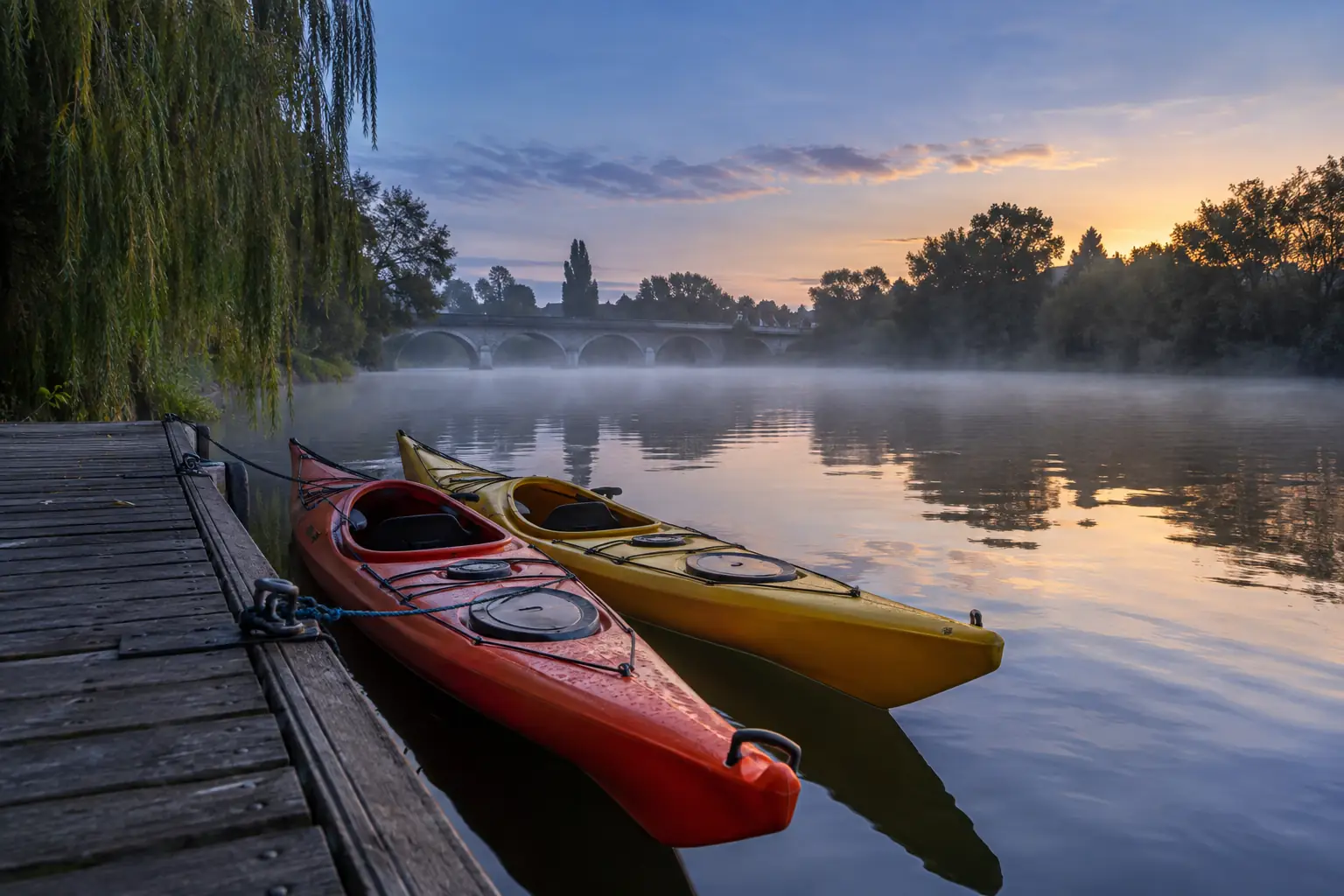
By 9am, the restriction was due to end. Ordinary navigation could return, assuming every vessel had remembered the instructions, the byelaws and the correct upstream viewpoint. The kayak finally launched, carrying no passengers, no contraband and one unanswered question: whether its biscuits were covered by the navigation rules or merely awaiting a tribunal.
Source: GOV.UK.