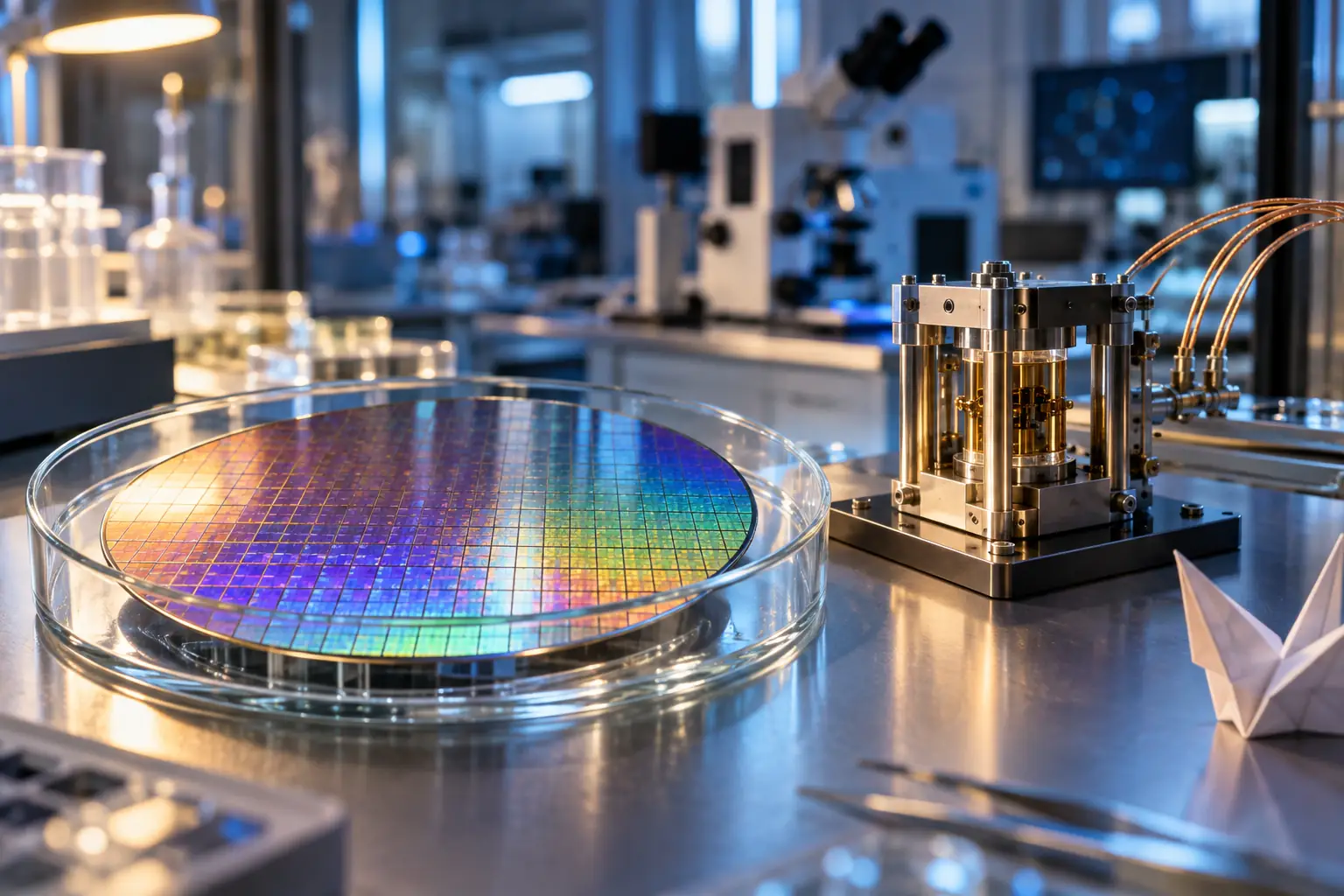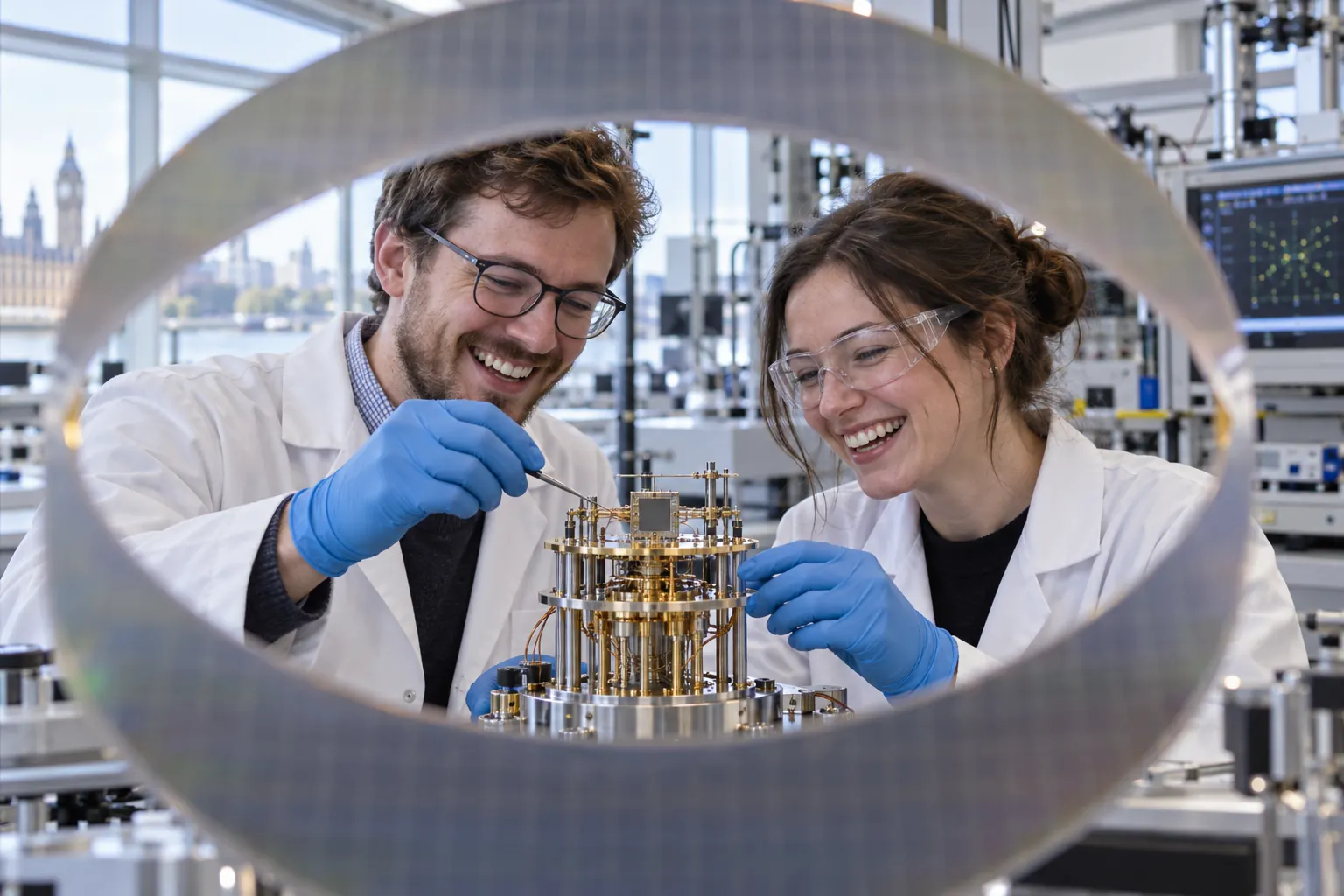
The Government has identified six frontier technologies for priority treatment, and the semiconductor has immediately asked whether its chair can be made from another semiconductor. The Department for Business and Trade Japan says the programme is intended to strengthen digital capability, competitiveness, national resilience and technological sovereignty. It is an ambitious list, although the chip appears mainly concerned that someone else may receive the comfortable seat.
The six priorities are advanced connectivity technologies, artificial intelligence, cyber security, engineering biology, quantum technologies and semiconductors. The Government says they will support growth, productivity and national security. They have also formed a committee to decide which one gets to explain the acronym without using another acronym.
Advanced connectivity will move data securely and quickly. Artificial intelligence will reshape productivity and public services. Cyber security will protect the systems on which everybody now depends. Engineering biology will design useful products and processes. Quantum technologies will perform important things in a state of profound uncertainty. Semiconductors will continue making themselves indispensable while remaining too small to be invited to most meetings.
The Government says the priorities build on its Modern Industrial Strategy and its Digital and Technology Sector Plan. The programme includes funding and long term commitments across research, infrastructure, skills, regulation and commercial development. This is the serious part, involving investment, planning and the difficult national habit of deciding what happens after the announcement has finished being announced.
It is also a useful demonstration of technology policy. First, identify the future. Then attach several billion pounds of expectation to it. Finally, ask an ordinary person to understand the difference between a quantum mission and a cyber growth action plan while their broadband briefly considers a new career in traditional communications.
The policy does not promise that every technical problem will vanish. It promises a more focused attempt to develop areas judged important to the UK economy and security. The fictional chip welcomes the clarity, provided nobody describes its chair as a temporary measure or suggests that furniture should be shared nationally.
By 2033, the Government hopes the UK will hold 15% of the global quantum market. By teatime, the six technologies hope to agree whose turn it is to be called transformative. The meeting has been delayed because artificial intelligence says it has already taken the minutes, quantum technology says the minutes both exist and do not exist, and the semiconductor has claimed the chair as a strategic national asset.
Source: GOV.UK.