Northern Ireland’s public services have been allocated £102.6 million to transform themselves, which is splendid news for a system that has spent years transforming one form into three slightly different forms. Announced on 26 May 2026, the money is the final allocation from a £235 million transformation fund and will support six Executive projects across health, communities, finance and agriculture. Somewhere, a filing cabinet has been invited to imagine its future and is laughing nervously.
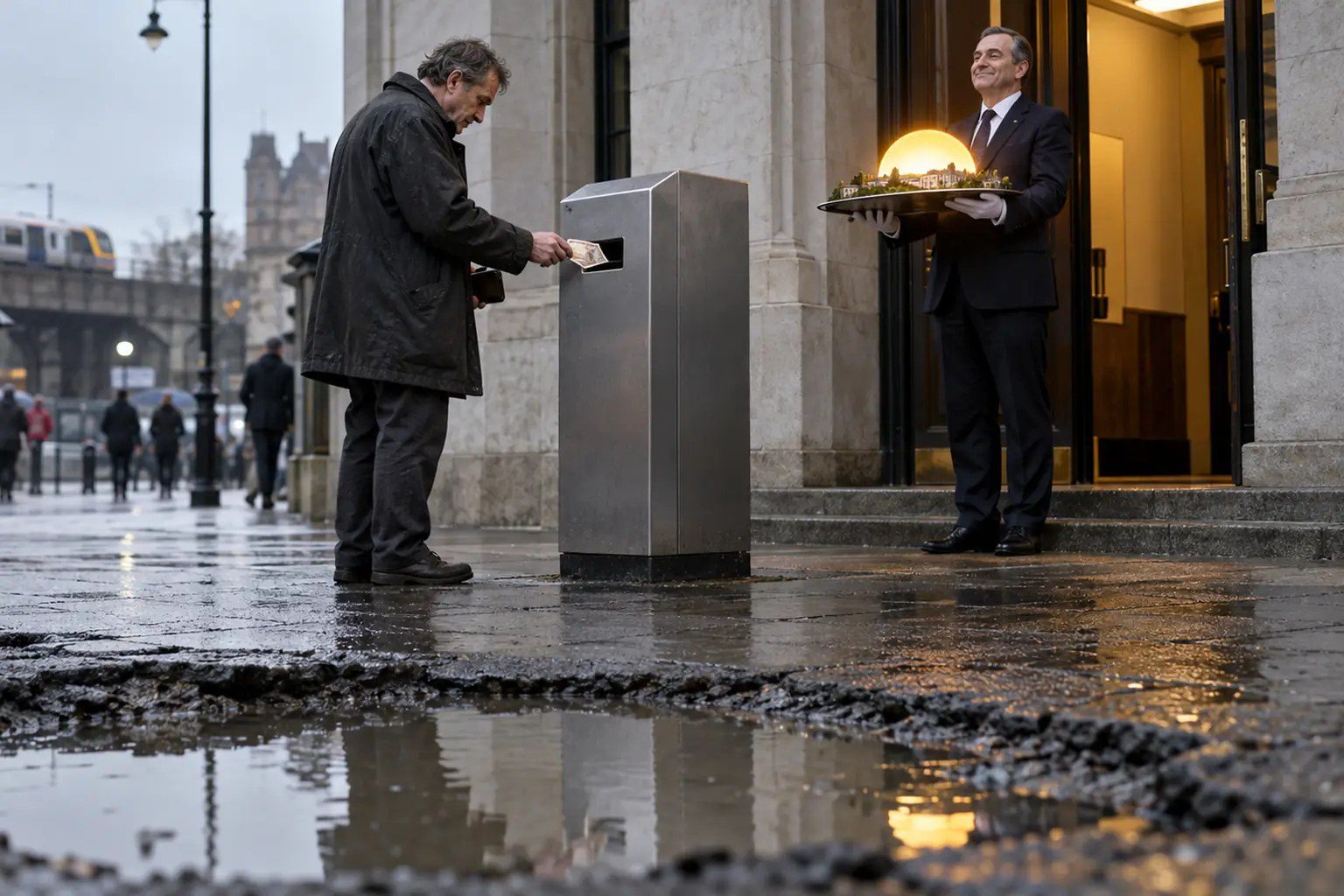
The largest share is £42 million for an ePharmacy Primary Care Digital Reform Programme. Its purpose is to replace more than 45 million annual paper prescriptions with electronic transfers to community pharmacies. This is an attempt to move medicine from a journey involving paper, stamps and the emotional stamina of a Victorian clerk into a system that can send information without first placing it in an envelope, locating a second envelope and asking which department owns the first one.
The other projects cover early help for families, health and work, civil service records, bovine tuberculosis research and the safe linking of departmental data. The official announcement presents these as practical investments in better services. It does not promise that every problem will vanish, which is sensible. Even a transformed public service may still need somebody to answer the phone while the phone transfers the call to a portal.
The comic opportunity lies in the word transformation, a term capable of making a new digital platform sound as if it has been forged by thunderbolts. In practice, much of the work involves helping information arrive where it is needed, helping organisations cooperate and reducing the manual handling required to discover what everyone already knows.
A fictional transformation manager stages the launch. A prescription is placed on a desk. It is scanned, transferred and received by a pharmacy. The audience laughs and applauds. Then the manager asks whether anyone has remembered to transform the desk, because it has been supporting the old system since 1987 and is now the senior partner.
The funding is serious, and the promised improvements could make ordinary services easier to use. But every reform programme eventually reaches the same dangerous frontier, where a person asks a perfectly reasonable question and discovers that the answer has been placed inside a portal, behind a password, beneath a downloadable guidance note and protected by a box asking whether they are a robot.
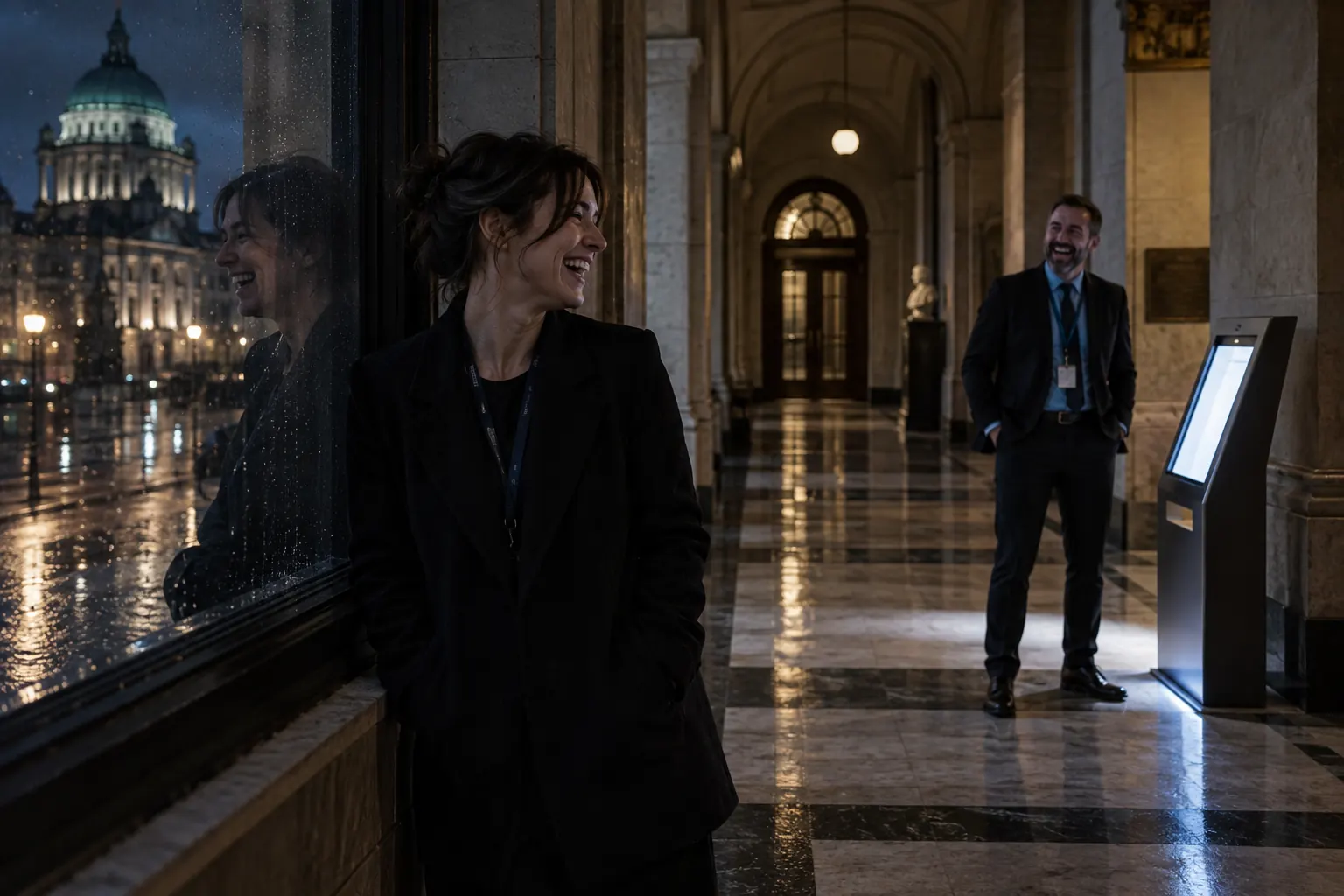
By the end of the launch, the kiosk has understood the modern lesson. A public service is transformed when the paperwork moves faster than the explanation, so the filing cabinet has applied for broadband and the broadband provider has asked it to submit the request on paper.
Source: GOV.UK.