The proposed Natural History GCSE has inspected the education system, noticed that pupils spend much of their day indoors, and requested twenty hours outside before anyone turns the countryside into a PowerPoint presentation.
Announced on 12 June 2026, the qualification is intended to cover UK habitats and wildlife, human influence on the natural world, climate change, biodiversity loss and conservation. It remains at consultation stage, which means the future of British nature has been placed before pupils, parents, teachers and the green industry, pending the successful completion of several forms and one reassuringly serious meeting.
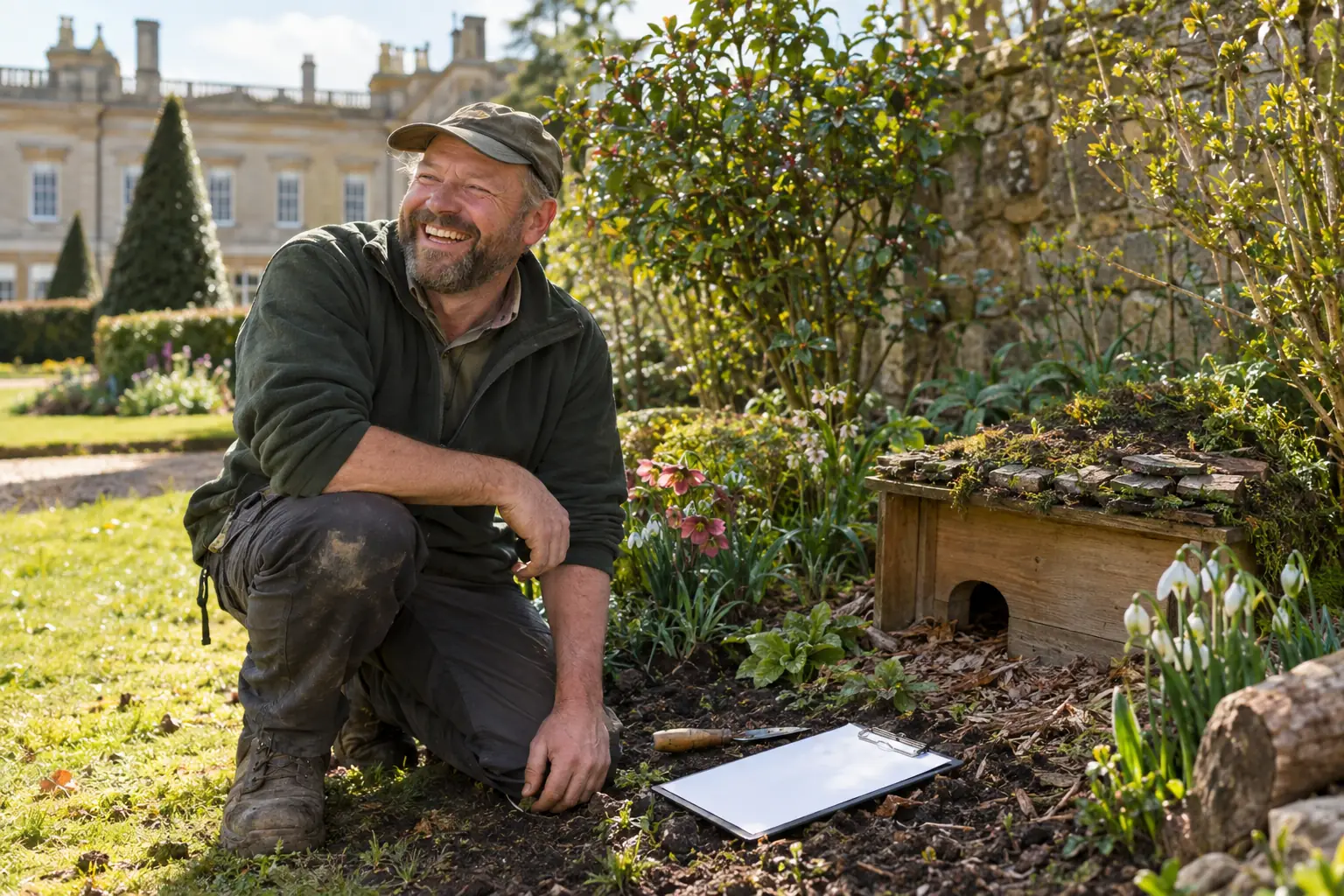
The requirement is a minimum of 20 hours of fieldwork. Students could study urban parks, rivers, woodland, farmland and other local habitats while learning to collect data, use taxonomic keys and understand food webs. At last, the food chain will be taught by people who have actually seen one.
The government says the subject will prepare young people for environmental science, conservation, land management and other green careers. Nature related businesses and changing economic demands are part of the case. The hedgerow has therefore been promoted. It is no longer merely sheltering insects. It is now expected to produce employable graduates, preferably with tidy evidence records.
The proposal also sits beside wider curriculum reforms and a planned V Level in Agriculture, Environmental and Animal Care from 2029. Britain wants pupils able to identify biodiversity loss, record evidence and understand how human activity changes landscapes. It may even produce a teenager capable of explaining why the school field has been replaced by a car park.
There is a serious point beneath the clipboard. Learning about nature through actual observation is more useful than treating the natural world as decorative scenery for a careers leaflet. Yet the qualification must still travel from announcement to timetable, staffing plan and school budget, where binoculars are likely to be examined as though they were an extravagance from a royal household.
The consultation is asking what the subject should contain. The magnifying glass has submitted its view: if every pupil ends up outside, laughing at a worm and completing the paperwork correctly, the GCSE will have achieved something remarkable. It will have taught the education system that the outdoors is not a classroom until someone has invoiced it.
Source: GOV.UK.