The MHRA has announced closer engagement with Wales, proving that regulation can now arrive with a diary, a map and the unmistakable confidence of an institution that has discovered meetings.
On 19 May 2026, the Medicines and Healthcare products Regulatory Agency said it would increase engagement with industry, researchers, local NHS organisations and government in Wales. The MHRA Board had met Welsh Government colleagues in Cardiff to discuss future partnership working. The clipboard heard this and immediately created a folder called Partnership Working, followed by another folder to explain the first folder.
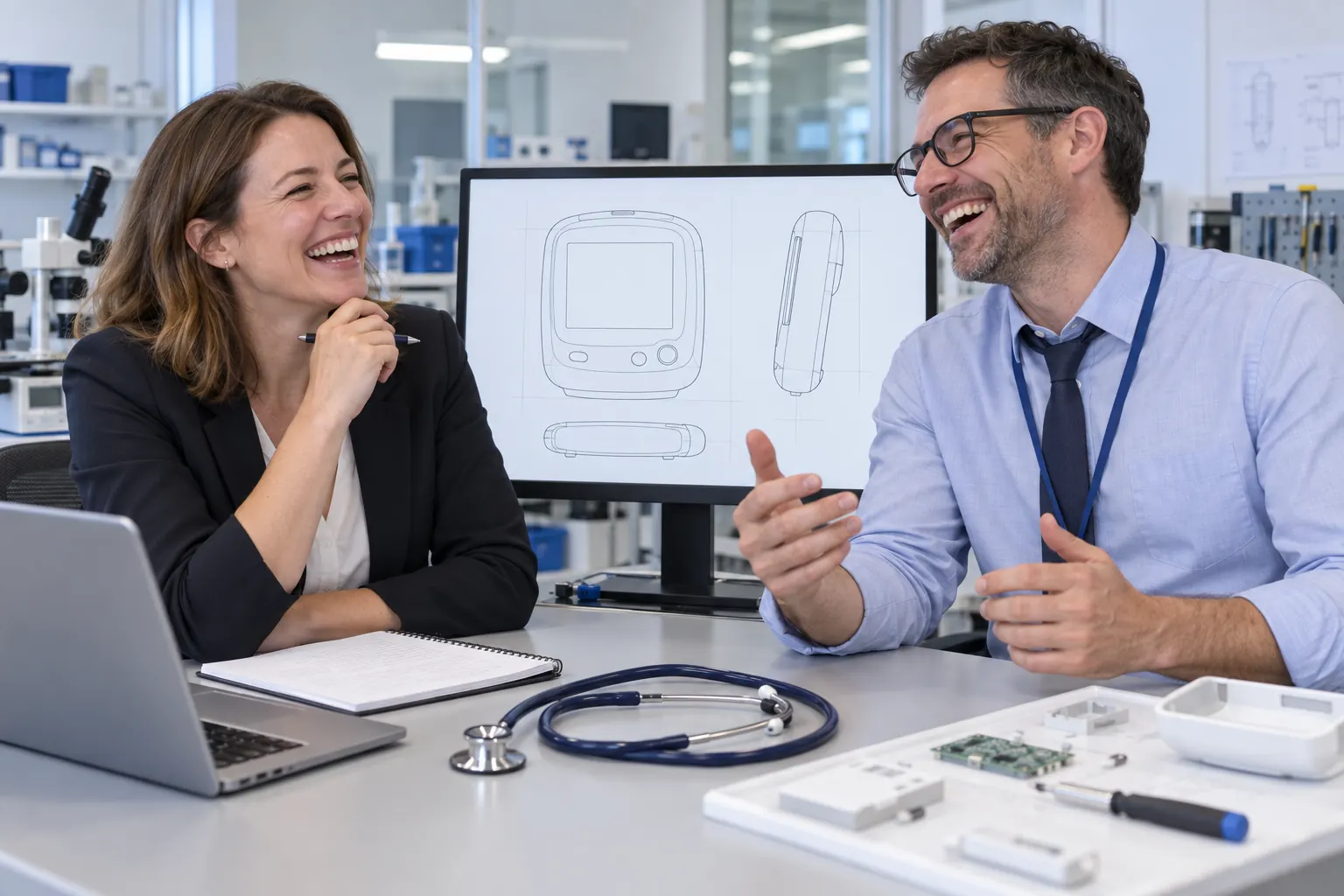
The planned MHRA Liaison Days will bring representatives to Wales for meetings and workshops about innovation pathways, clinical investigations for medical technology, regulatory support and engagement during product development. Local organisations will also be able to book in person surgery sessions with technical experts. At last, a route into regulation that comes with an appointment system, rather than requiring applicants to follow a trail of forms into the administrative undergrowth.
This is useful machinery rather than a miracle cure. The MHRA says the programme is intended to support research and help new medicines, devices and technologies reach patients more quickly, while keeping patient safety at the centre. The clipboard has underlined that final point twice, then scheduled a workshop on whether the underlining requires approval.
Wales has a substantial life sciences sector, including work in medical technology, AI powered diagnostics, wound healing, regenerative medicine, cell therapy and precision medicine. The announcement says it employs more than 13,000 specialists across 300 companies, with three quarters of its output exported. These are serious fields, which makes the official enthusiasm for a better calendar even more revealing. The future of healthcare may involve advanced therapies, but the present still needs everyone to agree which room contains the experts.
The liaison days give researchers and businesses a chance to ask questions before a promising idea collides with the regulatory process at speed. Officials can explain the route. Participants can leave with fewer assumptions and, ideally, the same number of eyebrows.
The contradiction is deliciously tidy. Better collaboration requires a formal programme of liaison days, workshops, surgery sessions and calendars, so the answer to meeting heavy administration is more administration with a visitor badge. Still, if the system works, the most advanced technology involved may be a clear answer delivered before the fourth email reminder. The clipboard has booked the appointment, printed the agenda and is now waiting for a form confirming that it is waiting. The form has been referred to a meeting.
Source: GOV.UK.