The Government has announced a £219 million Low Carbon Fuels Fund, allowing aviation to prepare for a greener future in the traditional aviation manner, by receiving public money first and asking the atmosphere to remain patient. The Department for Transport says £93 million will be available over two years to help UK companies develop and scale sustainable aviation fuel. The rest of the announcement is already practising the phrase lifecycle emissions in a mirror.
The announcement, made on 16 June 2026, presents sustainable aviation fuel as a route to lower emissions, economic growth and a thriving domestic industry. It says low carbon fuel production could add up to £5 billion to the economy by 2050, support 15,000 jobs and help make Britain a global hub for fuels that allow aircraft to behave more responsibly while travelling several thousand miles to buy a sandwich.
The Government also says it has invested £198 million through the Advanced Fuels Fund since 2022. The future of flying is therefore being built in the familiar manner, with a new fund arriving while the previous fund is still searching for its coat and insisting that the coats are part of the wider strategy.
The new fund will focus on projects closest to actual production. That sounds sensible. There is little point funding a revolutionary fuel that exists only as a colourful slide deck and an ambitious person called Oliver. The successful applicants will need to show that their technology can move beyond the exciting stage at which everyone has a logo but nobody has filled a tank.
Alongside the fund, the Department for Transport has launched a call for evidence on the Sustainable Aviation Fuel Mandate. The mandate begins at 2% in 2025 and is due to rise to 10% by 2030 and 22% by 2040. The Government says the overall targets are not being considered for reduction, while industry is invited to explain how reality might prefer a more flexible timetable.
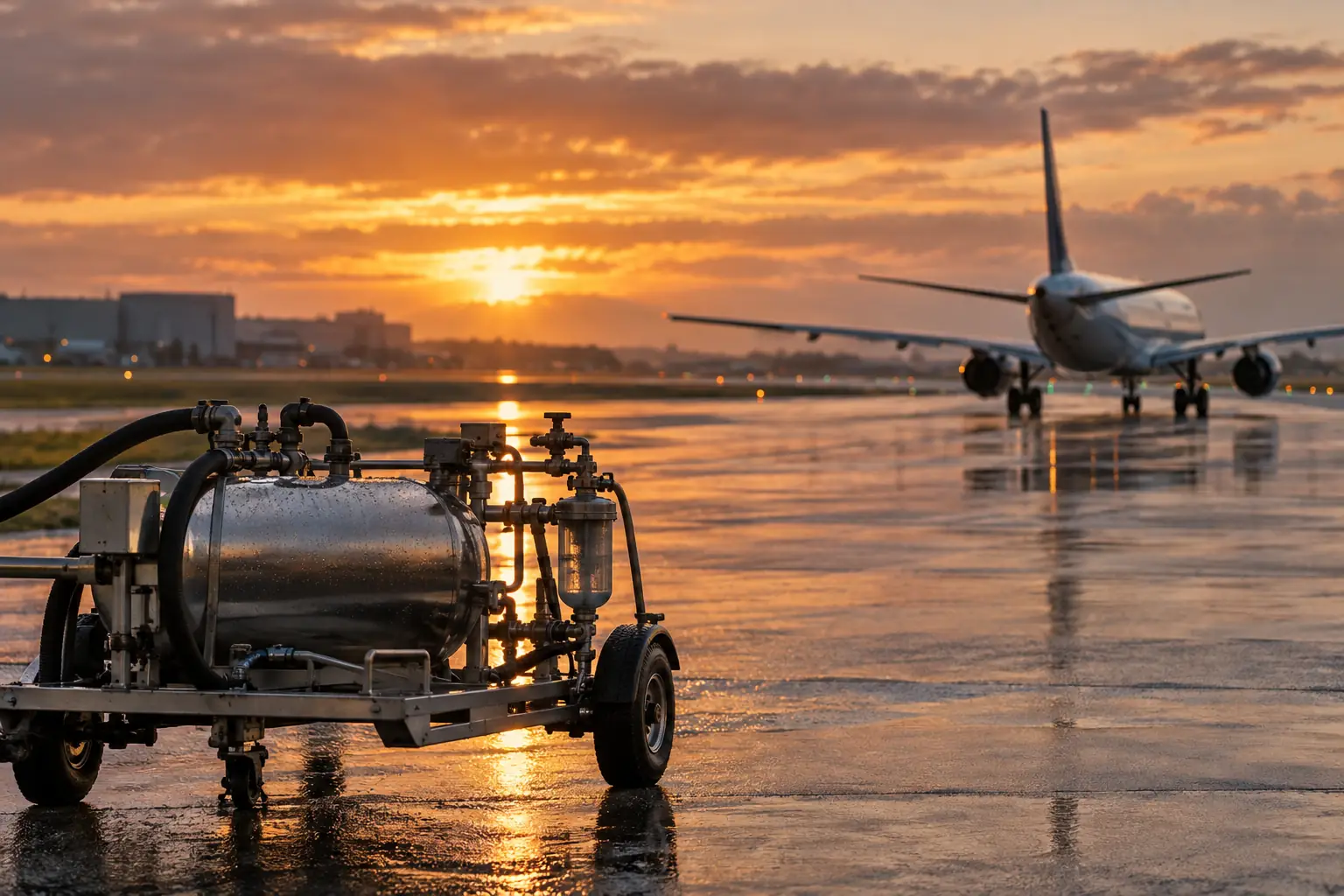
A fictional airport sustainability manager said the fund would help aviation fly towards net zero without making any sudden movements. He then placed a tiny green hat on a fuel drum and asked it to look hopeful. The drum, having received no formal guidance, looked more decisive than the policy.
The contradiction is not that cleaner fuel is useless. It is that aviation is being invited to expand while its fuel supply is redesigned to sound morally reassuring. The aircraft still leaves the ground. It simply does so with a larger grant application in its luggage and a policy document sitting beside the emergency instructions.
By 2040, the mandate may require every flight to carry a meaningful proportion of sustainable fuel. That could lower emissions from flying, although it may not lower the industry’s appetite for promising that the next departure will be the responsible one. At this rate, the boarding pass will be the only passenger with a long term plan.
Source: GOV.UK.