The Department for Education has estimated that 558,000 pupils and learners receive local authority funded transport to education or training. The figure is based on responses from 97% of local authorities, leaving the rest to perform the traditional administrative miracle of being absent from the evidence while remaining present in the country. The national school bus has requested a filing cabinet and a quiet room.
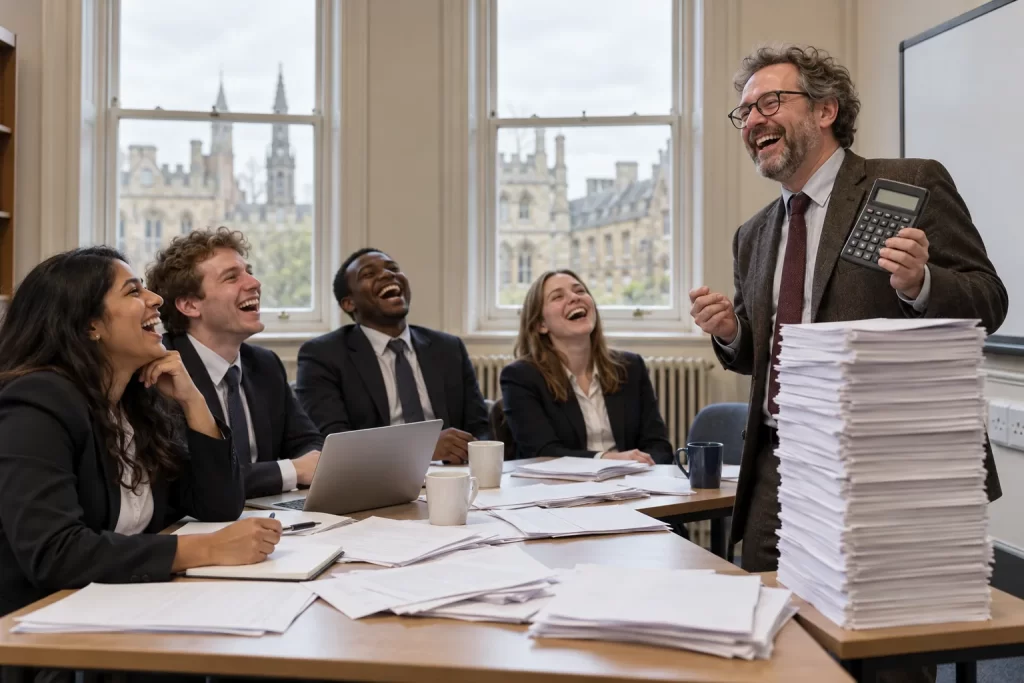
The release covers children of compulsory school age and learners aged 16 to 25. It estimates that 503,000 pre 16 pupils are eligible for transport, including about 195,000 travelling because of special educational needs or disabilities. Another 55,000 post 16 learners are estimated to use transport. Even the calculator looks slightly concerned about being asked to carry this many passengers.
These figures are estimates, not tablets delivered from a mountain. The collection was voluntary, response rates varied between questions and the Department warns that some results may not represent the country perfectly. The statistic has therefore arrived in a high visibility jacket, followed closely by a colleague holding a very large disclaimer.
The release estimates that around 40% of pupils with education, health and care plans use pre 16 SEND transport. It also reports that 9% of pre 16 pupils receiving SEND transport travel in single occupancy vehicles. This is where the phrase shared transport quietly leaves the meeting, collects its coat and books a private taxi.
The average annual spend for a pre 16 SEND pupil using transport is estimated at £8,800. For taxi or private hire vehicles carrying up to eight people, the average rises to £10,700 per pupil. At that price, the vehicle may be expected to provide not merely a journey but a personal relationship with the procurement department.
The numbers matter because transport can determine whether pupils and learners reach education or training, while local authorities need useful information for planning services. The contradiction is that a system can produce an important national picture while admitting that parts of the picture are blurred, voluntary and assembled from different sized bits of ruler.
The fictional school bus has studied the methodology and supports evidence based travel. It has only one remaining request. Next year, could the footnotes drive, since they are clearly doing all the steering?
Source: GOV.UK.