The Farming Innovation Programme competition has opened with £13 million for agricultural projects. It proves that the quickest route from a brilliant farm idea to a working farm runs through a grant form, a delivery plan and a field sensor waiting for official permission to be useful.
The announcement on 1 September 2026 says a small number of projects will receive grants from £1 million to £3 million. Projects can run for up to three years. They aim to turn research into tools that farmers can use.
That is the sensible part. The less sensible part is watching innovation being escorted towards reality by documents asking whether reality has completed the correct paperwork.
Farming Innovation Programme competition meets the farm
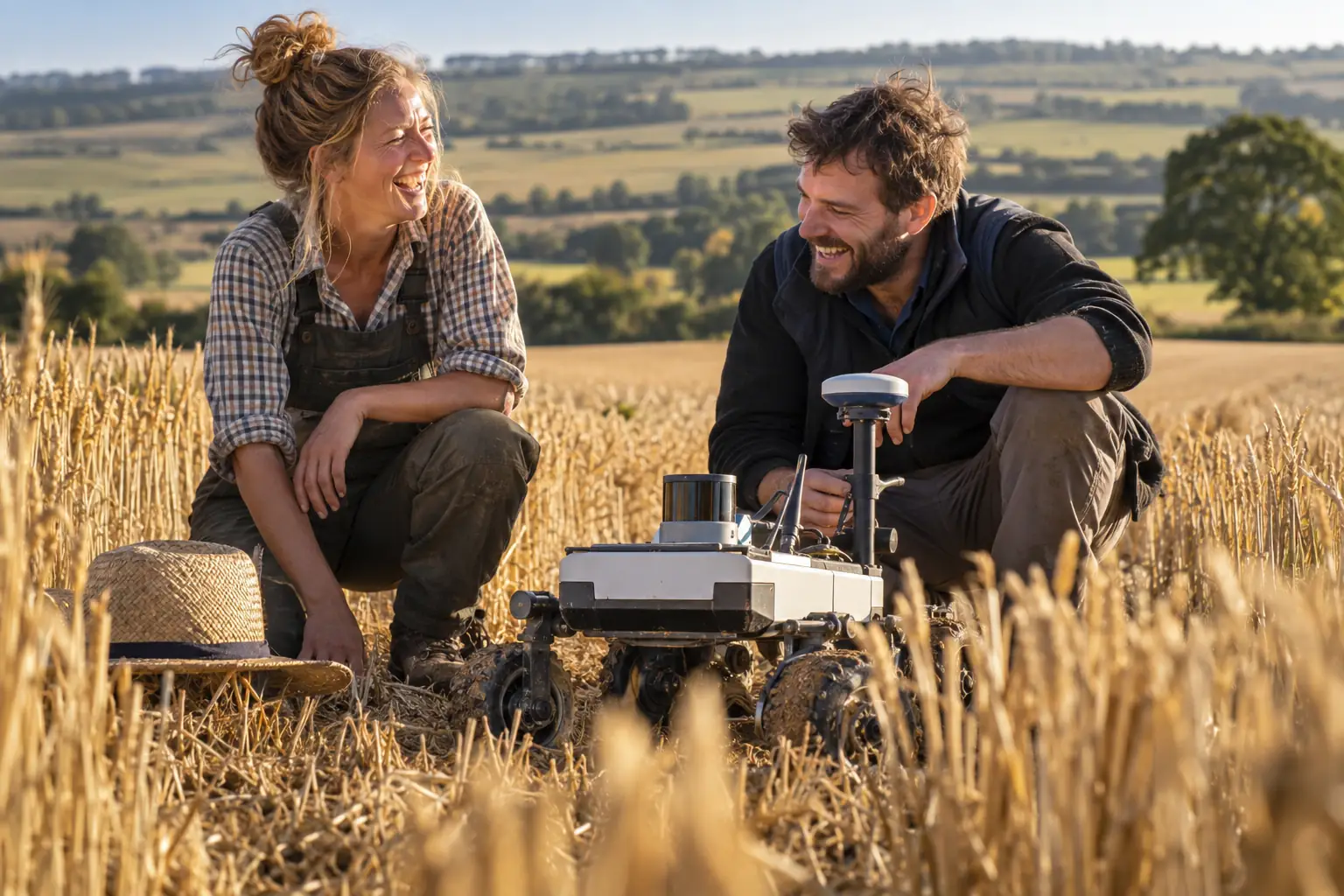
The programme covers animal disease, crop yields, pests and labour shortages. Earlier projects include robotic tomato harvesters, hoverflies used for natural pest control and a vaccine project for pigs.
It is useful work. The field sensor still wonders why a national funding system had to rediscover that tomatoes are difficult to pick with a spreadsheet.
The government says the wider programme will involve £123 million in agricultural innovation this year. It also points to a commitment to invest at least £200 million by 2030. Britain is preparing a highly advanced future. The machines will be clever, the crops will be resilient and the attachment will still be under review.
When a grant application develops ambition
The Farming Innovation Programme competition brings farmers, researchers and agri tech businesses together. In theory, practical knowledge can meet scientific expertise and produce something more useful than a committee discovering the word ecosystem.
Before that happens, each invention must survive funding rounds and eligibility criteria. It must also explain its value before anyone has allowed it to prove that it exists.
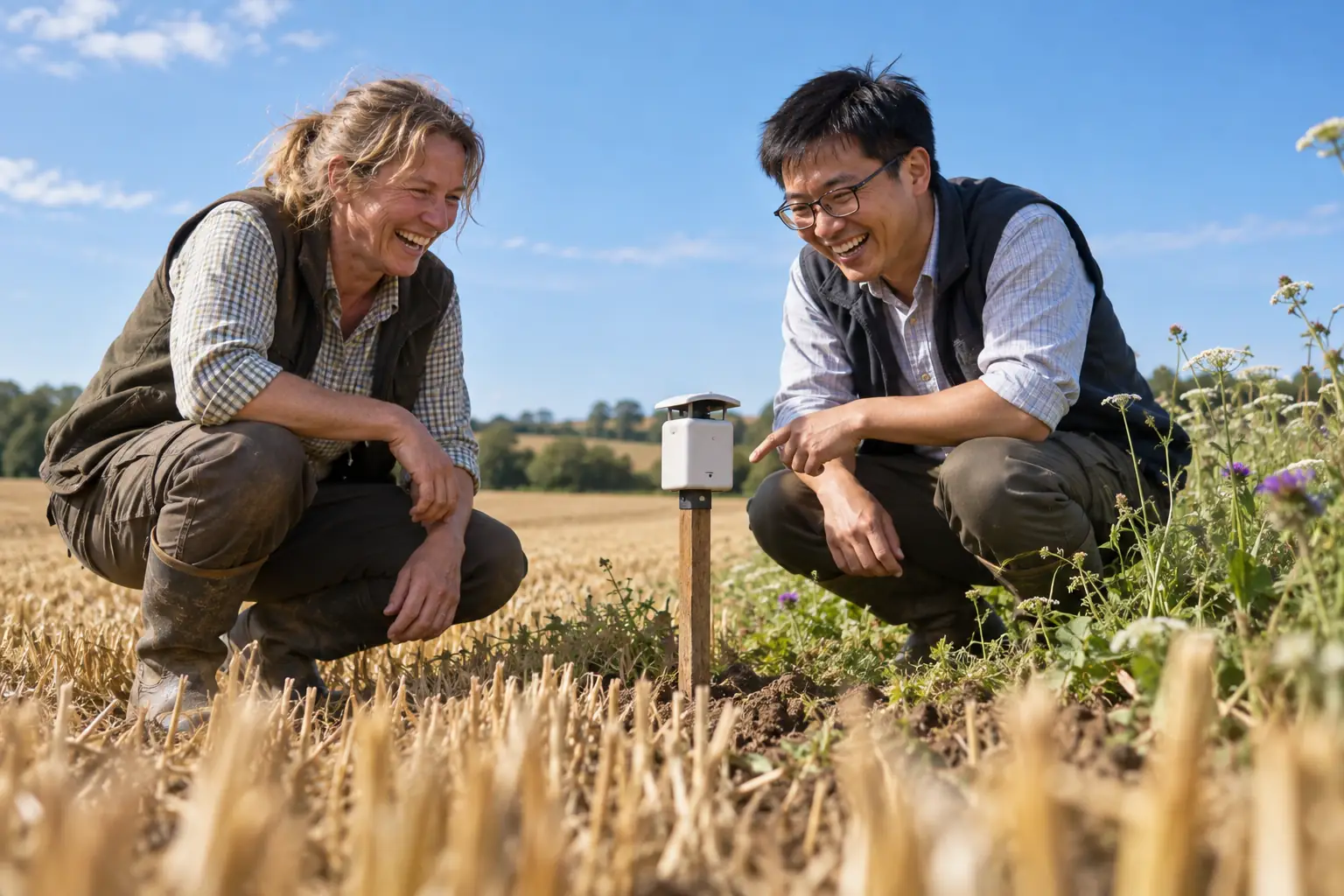
The plain palm sized field sensor remains optimistic. It has been told that its moment is coming. It has also been asked for a risk assessment, a delivery plan and a concise explanation of why it is not technically a small robot with administrative feelings.
The harvest of tomorrow
The promise is considerable. Serious agricultural research may move closer to the people and animals it should help. The joke is that innovation must crawl through administration before it can stand up.
By 2030, Britain may have robotic harvesters, clever pest control and healthier pigs. It may even have a field sensor approved to say, “I told you this would work,” provided the sentence first survives an impact assessment.
Source: GOV.UK.