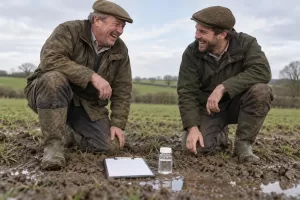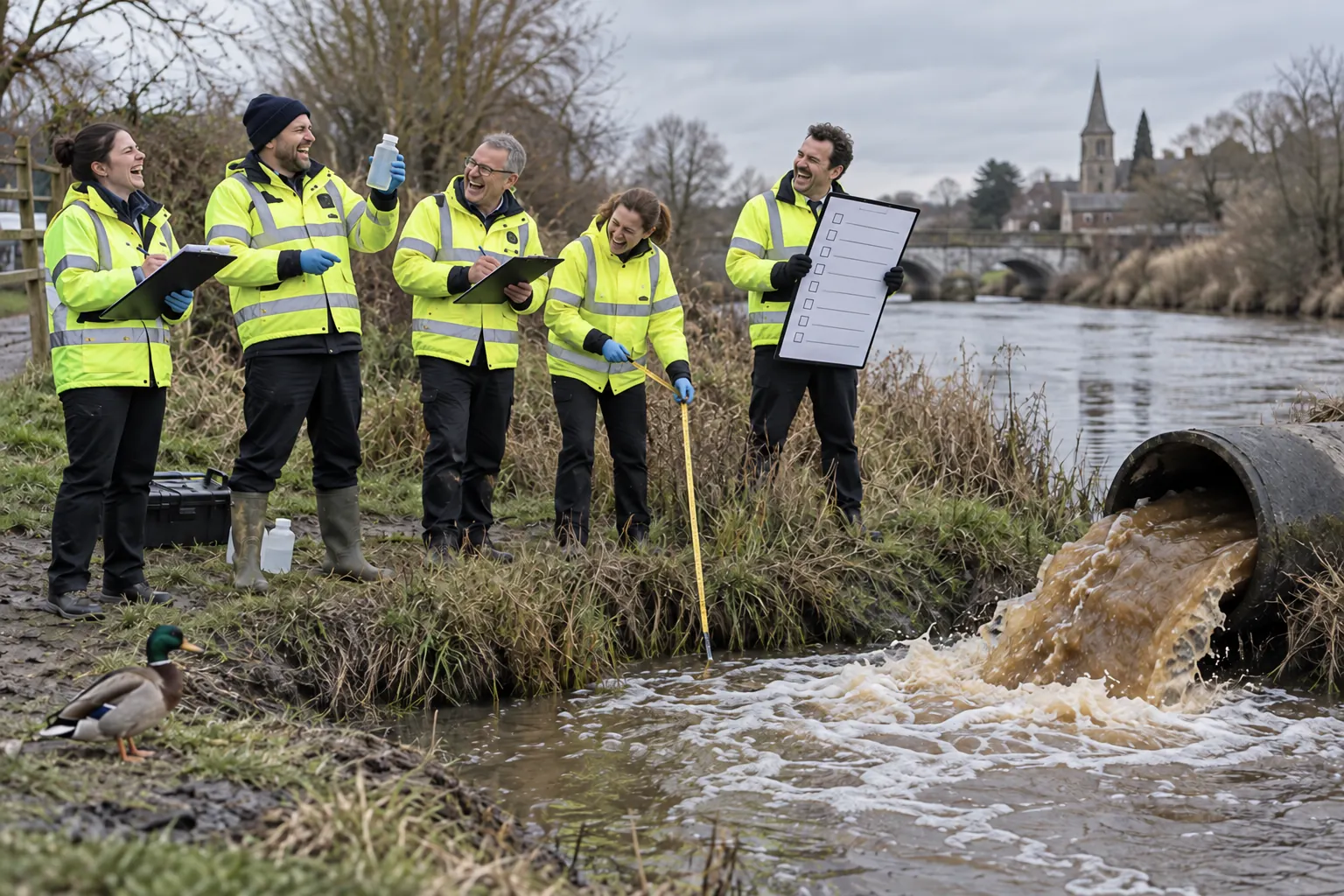
Environment Agency water enforcement is rising from 41 roles in 2023 to 195 by March 2026, giving water pollution the rare comfort of being pursued by a larger and better organised crowd. The agency calls this its largest ever enforcement workforce. The river has asked whether that includes someone who can attend a meeting without a clipboard.
The official release says water company environmental performance has continued to decline. It also says the expanded team will inspect sites, collect samples and support enforcement action. Britain has therefore developed a serious plan for water quality. First, locate the problem. Then measure the problem. Then invite the problem to a workshop about measurable progress.
Environment Agency water enforcement grows
The release reports a four per cent fall in permit breaches after persistent underperformance. That is a number with a respectable suit and a firm handshake. It does not mean every river has received a spa day, a clean bill of health or a promise that the brown foam will stop auditioning for a policy paper.
The agency says enforcement undertakings worth more than £6.9 million were paid by water companies and redirected into waterway cleanup. Its notes identify three rivers trusts among the largest recipients. That is not a contradiction. It is a route from polluter, through enforcement, towards projects that may help the river recover. The paperwork is delighted to have found a journey it understands.
The programme has a £153 million budget this financial year. It also includes a polluter pays approach and the publication of compliance forms. The public can now see more of the machinery that decides how pollution is handled. Fish remain unavailable for comment because the portal does not support gills.
A river meets its expanded team
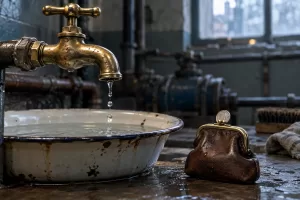
Marian Puddle is a fictional observer invented for this article. She has appointed herself chair of the National Committee for Things Floating Past. Her first proposal is simple. Every suspicious pipe should receive a named case officer, a sample jar and one colleague whose sole job is to ask whether the pipe has considered being less suspicious.
By March, the country will have nearly five times as many people chasing water pollution. The river welcomes the attention. It has requested that the group photograph take place downstream, so everyone can admire the organisational chart reflected in the water before the rain starts again.
Source: Environment Agency and Department for Environment, Food & Rural Affairs.