Engineering biology receives the short list
A new report says engineering biology could help create blood, cleaner fashion materials and improved crops. Science has received the usual modest brief: fix civilisation before lunch and make the packaging recyclable.
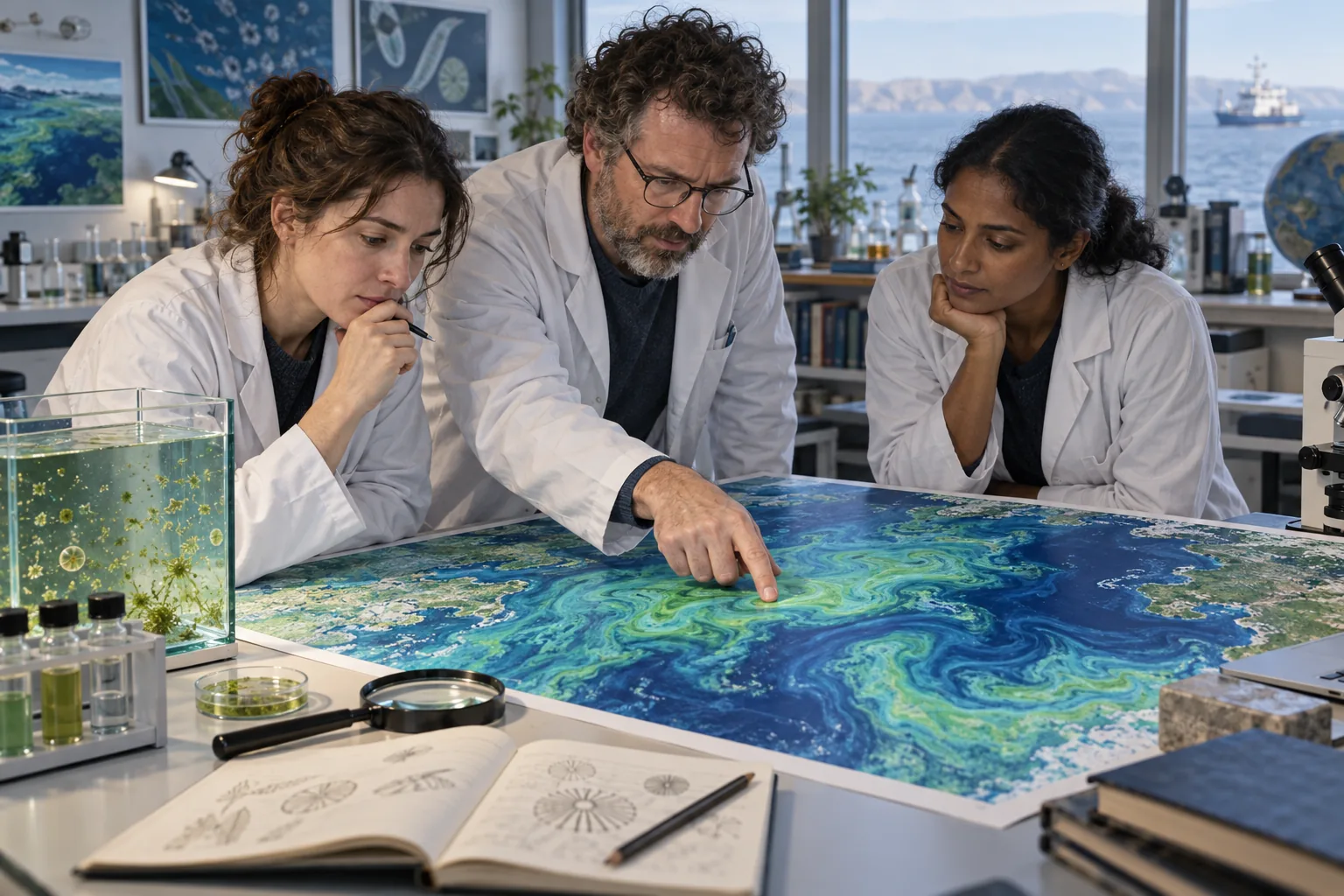
The field applies engineering ideas to living systems. Possible uses include lab-grown blood and nitrogen-fixing cereals. Researchers also study microbes that could recover scarce metals or produce fuels from waste.
The Ministry of Organisms With Deliverables has arranged everything into workstreams. Yeast handles energy. Bacteria cover mining. A particularly ambitious oat has accepted responsibility for regional growth.
“Biology already manufactures astonishing materials,” said Professor Gene Cardigan, Head of Fermented Trousers. “Our challenge involves persuading it to meet specifications, scale production and stop evolving during the procurement call.”
Bio-derived fashion could reduce pollution from conventional materials. This creates a future where your jacket grows responsibly, absorbs carbon and becomes disappointed by the rest of your outfit.
The report stresses that research, development and regulation still matter. Living systems possess immense potential. They also possess the awkward habit of behaving like living systems instead of obedient industrial components.
For now, the ambitions remain inspiring. If the engineered wheat completes its objectives early, officials may ask it to chair the afternoon meeting on sustainable shoes.
Read the real story: The government report on engineering biology.
Officials promise a responsible approach, which is wise because the microbes have already shown more initiative than several departments. The only remaining question is whether a cardigan grown in a vat can survive a funding review. If not, it will at least know what it feels like to be a British innovation.