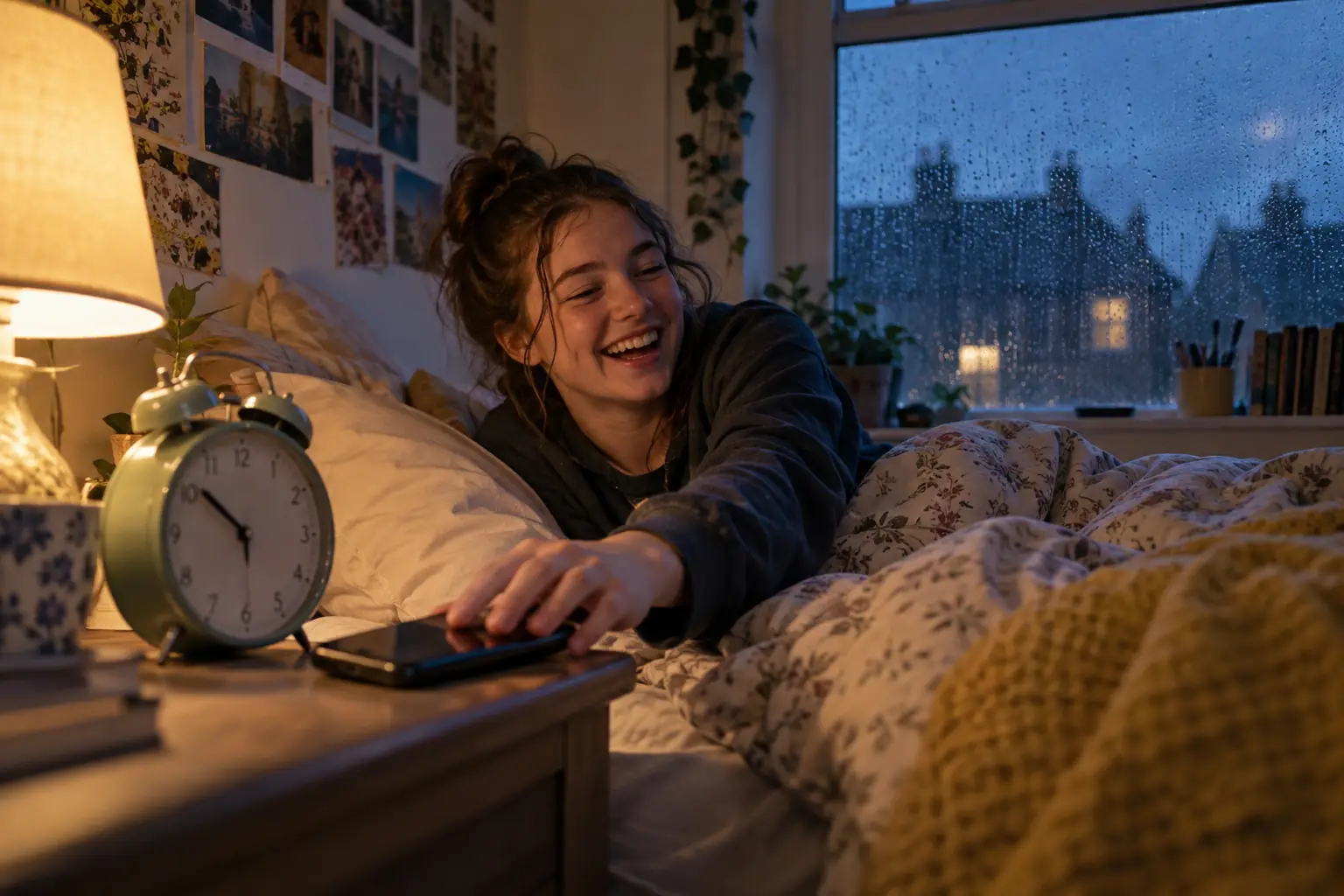
The phrase social media curfews teenagers has finally given the alarm clock the public recognition it always felt entitled to. On 15 July 2026, the government announced default midnight to 6am curfews for 16 and 17 year olds on social media. It also plans to switch off features designed to keep users scrolling. The alarm clock welcomed the news with the grave satisfaction of an appliance that has shouted useful advice into the darkness for decades.
The measures aim to protect older teenagers from addictive online features. They also aim to avoid a cliff edge when existing protections for under 16s stop applying. The government expects to lay regulations before Parliament by the end of 2026. It expects the measures to begin in spring 2027.
Social media curfews teenagers can understand
The proposed overnight setting is refreshingly direct. At midnight, the phone should stop behaving like a casino with a camera. Its owner can then discover that a pillow exists. The plan also switches off automatically playing videos and endlessly personalised feeds by default.
A fictional alarm clock inspector welcomed the plan. It replaces years of advice about sleep with a setting that can interrupt a teenager halfway through watching a stranger reorganise a fridge. The inspector calls this progress. It still wonders why adults needed a national policy to rediscover bedtime.
The government says the plan followed a pilot involving more than 300 teenagers and parents. Families reported that overnight limits quickly became part of their routine. They also reported better sleep and concentration. Concentration has responded warmly. It has spent much of the smartphone era waiting in a corridor while an algorithm promised one final video.
The phone has been given homework
The proposal is not a total ban on social media. Older teenagers can change their settings if they wish. The government also plans further protections for children using AI chatbots. These include regular breaks and action against services that offer dangerous, misleading or unverified mental health advice.
The modern phone must now provide internet access, enforce bedtime, identify harmful advice, support media literacy and avoid becoming the only adult in the room. It has requested a short break to process this responsibility. Personalised videos immediately filled the break.
The alarm clock has offered to supervise the transition. It will glow quietly from midnight to 6am and ask the question technology avoided while selling everyone another scroll: have you considered going to bed? At last, the household appliance has been promoted to senior minister for consequences.
Source: GOV.UK.