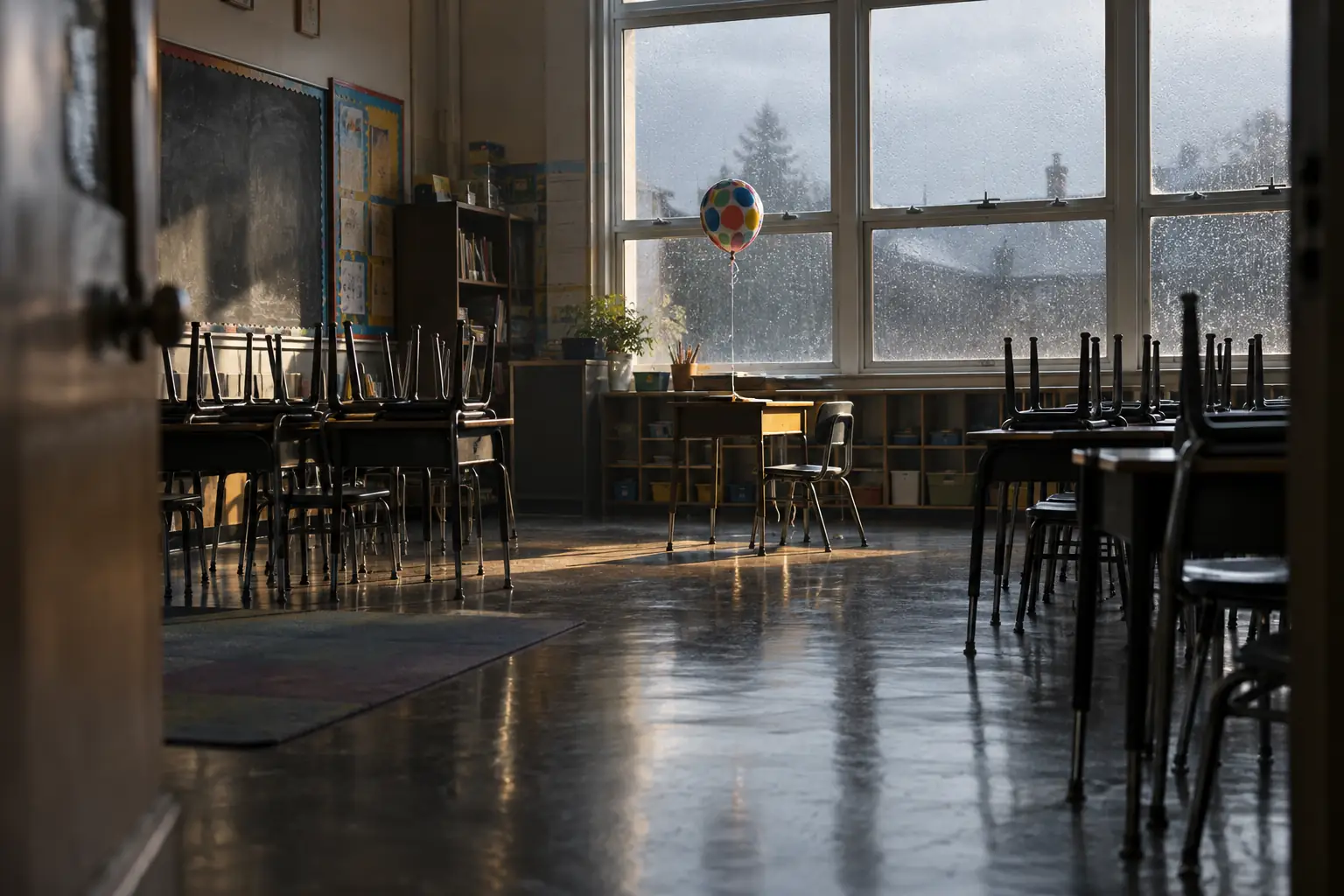
The Department for Education has published guidance on making schools more inclusive for children and young people with SEND, proving that a serious promise can now be placed inside a document with headings, bullet points and a contents page that appears to have completed a leadership course.
Published on 24 June 2026, the announcement sets out expectations for dedicated teaching and support spaces. It also builds on the commitment that every secondary school will, in time, have an inclusion base. The base is intended to provide specialist support while keeping pupils connected to mainstream school life. It is not supposed to be a sanction or a discreet storage solution for anyone who has made the timetable complicated. It is supposed to be a bridge.
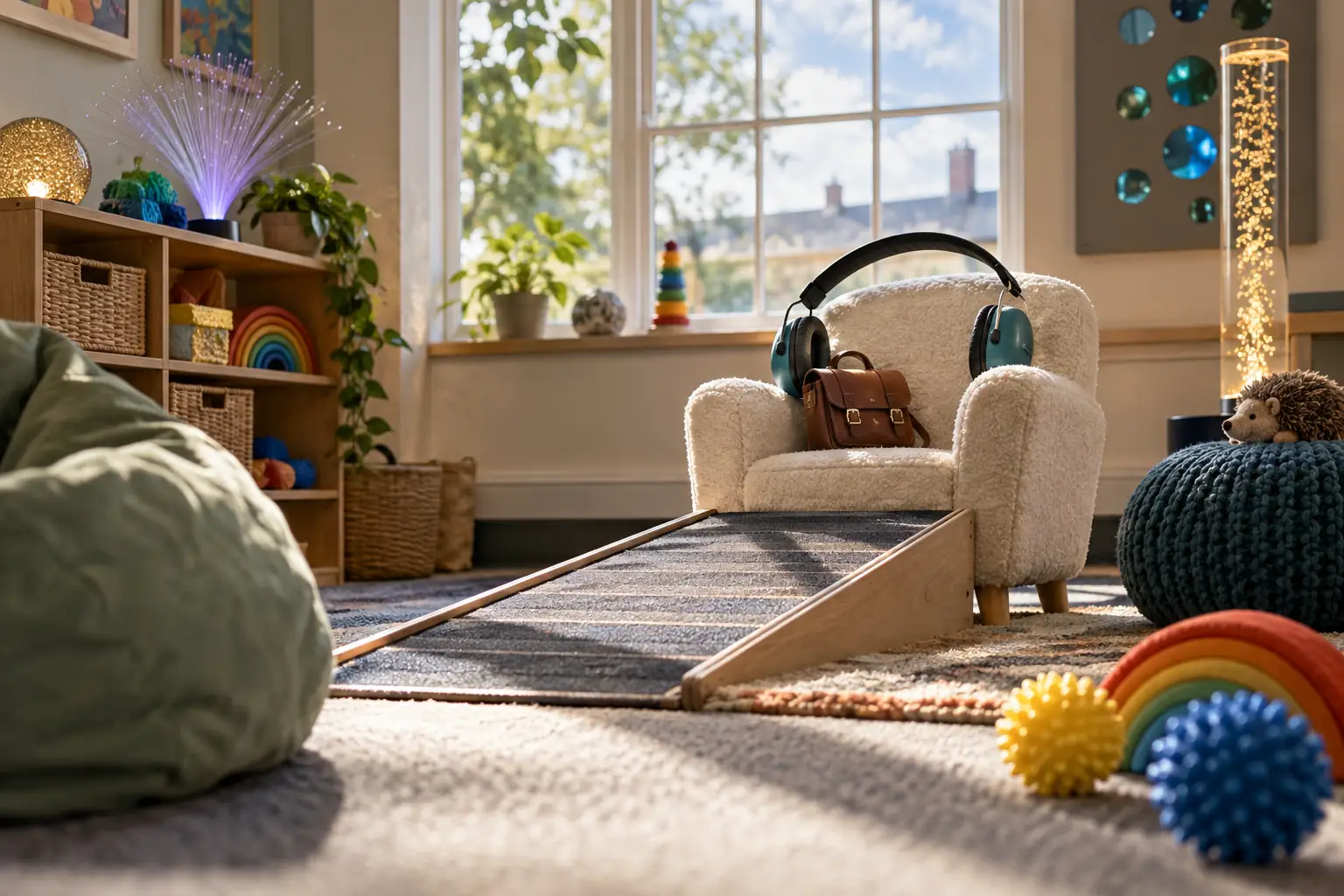
The guidance also considers the building itself. Acoustics, lighting, quiet spaces, sensory gardens, ramps and handrails all appear, because asking a child to endure an unsuitable environment is not the same as designing one that works. This is a startling discovery for any institution that has previously treated a flashing light as a character building exercise.
There is useful intelligence in that distinction. A school can be technically open to everyone while still asking some pupils to navigate a daily obstacle course made from noise, glare, confusing corridors and the administrative confidence of people who have never attempted the route themselves. The armchair has inspected the corridor and found that accessibility is not improved by describing the corridor as broadly accessible.
The announcement mentions structured walkthroughs and Day in the Life approaches to understand how a child experiences a site. Somewhere, a committee has finally realised that the best way to inspect a school is to imagine using it, rather than standing beside a wall with a clipboard and declaring the wall welcoming. The clipboard has requested a quiet moment to reconsider its career.
The announcement also points to inclusion bases in Sheffield, Nottinghamshire and Oxfordshire, citing reported results involving mainstream lesson access, qualifications, attendance and progression into education, employment or training. Those examples do not make every problem disappear. They do suggest that practical support may be more useful than another national ambition printed in a font that cannot hear you.
The armchair welcomes the calmer lighting, applauds the ramps and has submitted one final recommendation. Every future education strategy should include a quiet room where officials must sit until the phrase clear expectations has acquired a measurable meaning. The room is already full, because the paperwork has arrived first and is refusing to leave.
Source: GOV.UK.