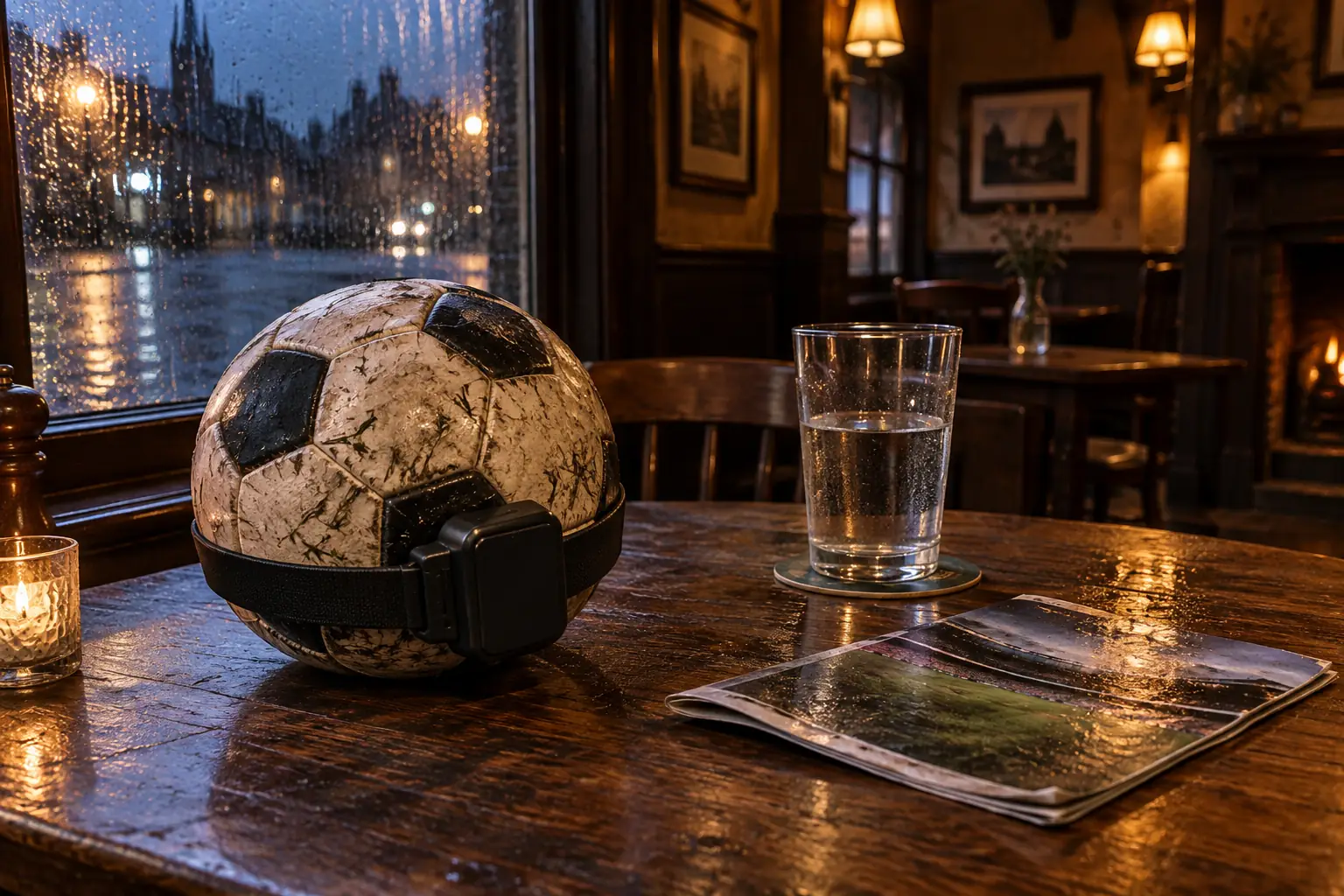
The Government has announced that around 7,300 people will wear alcohol monitoring tags at some point during the World Cup, giving the tournament its first official device capable of detecting a bad decision before it reaches the penalty area.
The Ministry of Justice said the tags analyse sweat around the clock and alert probation officers if someone subject to an alcohol ban has been drinking. Around 5,000 people were already wearing one when the tournament began, with a further 2,300 expected to receive new orders.
Football has therefore acquired a new supporting technology. Alongside goal line cameras, video reviews and increasingly elaborate ways to determine whether a toe was somewhere it should not have been, thousands of ankles will be quietly reporting to the state. Somewhere, a pint has been advised to consider whether it is comfortable appearing in a witness statement.
The Government says the scheme is intended to reduce alcohol fuelled violence and disorder during a tournament when drinking is expected to rise. It also says people on community orders have complied with alcohol bans for 97 per cent of the days they have been tagged, a remarkably high score for a competition nobody remembers entering.
The remaining three per cent will presumably receive the full attention normally reserved for a disputed goal. Officials can study the sweat, review the timing and establish whether the wearer was drinking, merely standing too close to a pub or celebrating a corner with the physical commitment of a small riot.
The tags are presented as a practical tool for supervising people after prison or while serving community sentences. The policy also forms part of a wider expansion of electronic monitoring, with the Government planning more tagging and additional probation funding over the next three years.
That leaves the football facing an uncomfortable administrative reality. The match may be decided by tactics, luck and a goalkeeper making a heroic mistake, but the surrounding atmosphere now comes with a compliance framework. Even the half time orange may want legal advice.
Fictional probation officer Maureen Ledger said the system had transformed the relationship between sport and supervision. “We used to ask people to make responsible choices,” she said. “Now their ankles submit the paperwork before the second half.”
The announcement says major sporting events should bring the country together rather than produce alcohol related violence. It is a noble ambition, although national unity may need to wait until the monitoring tag has finished checking whether somebody celebrated a corner a little too vigorously.
At last, football has achieved the dream of modern public administration. Every supporter can enjoy the match, provided the match can first prove where it was, what it drank and whether its sweat had a motive.
Source: GOV.UK.