Applications have opened for operators hoping to run taxi, bus and private hire style self driving services across Great Britain, bringing the country closer to journeys where nobody is driving but everyone can still blame the person in the front seat.
The Department for Transport announced on 22 May that operators could apply to join a pilot scheme. Passengers could book journeys through approved operators later this year, provided the technology passes strict safety checks and local transport authorities agree that their roads are ready for vehicles with no driver to complain about them.
The Government says the scheme could improve independence for older and disabled passengers, widen travel options and support thousands of jobs. It also says the sector could unlock billions for the economy by 2035, which is the traditional moment when a futuristic vehicle stops discussing passengers and starts discussing its investment potential.
Safety is naturally central. The pilot is intended to gather evidence from ordinary roads, including busy streets, traffic interactions and the delicate social negotiations involved when a vehicle needs to merge while a white van has decided that lane markings are merely advisory.
The technology must also face approval checks covering safety, cyber threats and security. This gives the self driving car a reassuringly familiar British experience. Before it can take anyone anywhere, it must first complete a long journey through forms, assessments, local consent and officials asking whether it has considered the consequences.
Companies including Wayve could bring services to British roads under the pilot scheme. The announcement also points towards robotaxis and bus style services joining the transport network, although the passenger experience remains dependent on approvals, regulation and whether the vehicle can identify a temporary road closure before reaching it.
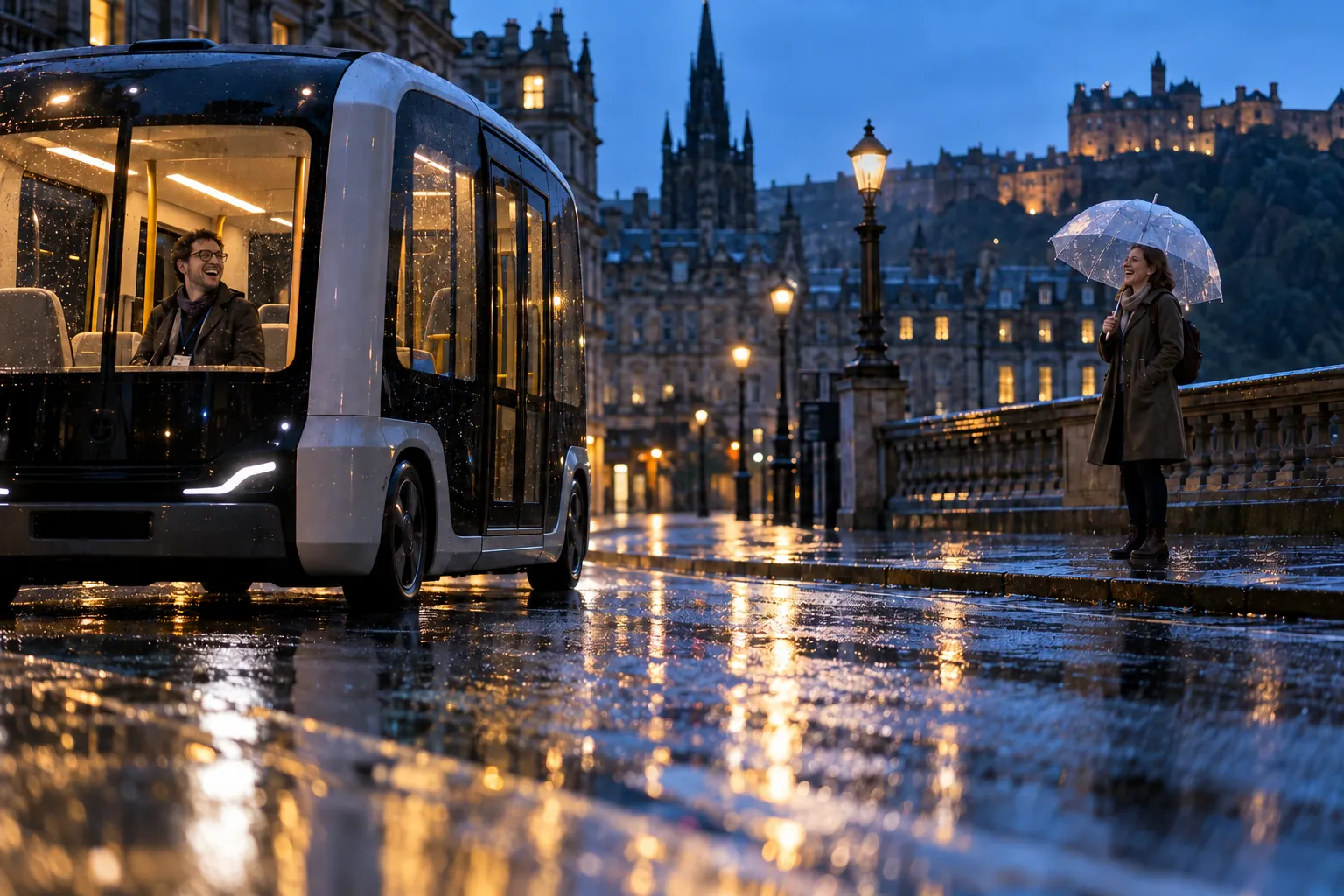
The shuttle has taken the news well. It has prepared a route, checked its safety systems and practised remaining calm when a cyclist appears unexpectedly. Its new warning is that a situation has been detected, which is also how most public bodies describe a meeting that has run seven minutes over.
By the end of the pilot, Britain may have safer, cleaner and more accessible transport. It may also have vehicles capable of navigating complicated urban roads while waiting patiently outside the council office for someone to stamp a permit. At last, automation has found its natural home. It does the driving while the paperwork remains proudly, magnificently and entirely human.
Source: GOV.UK.