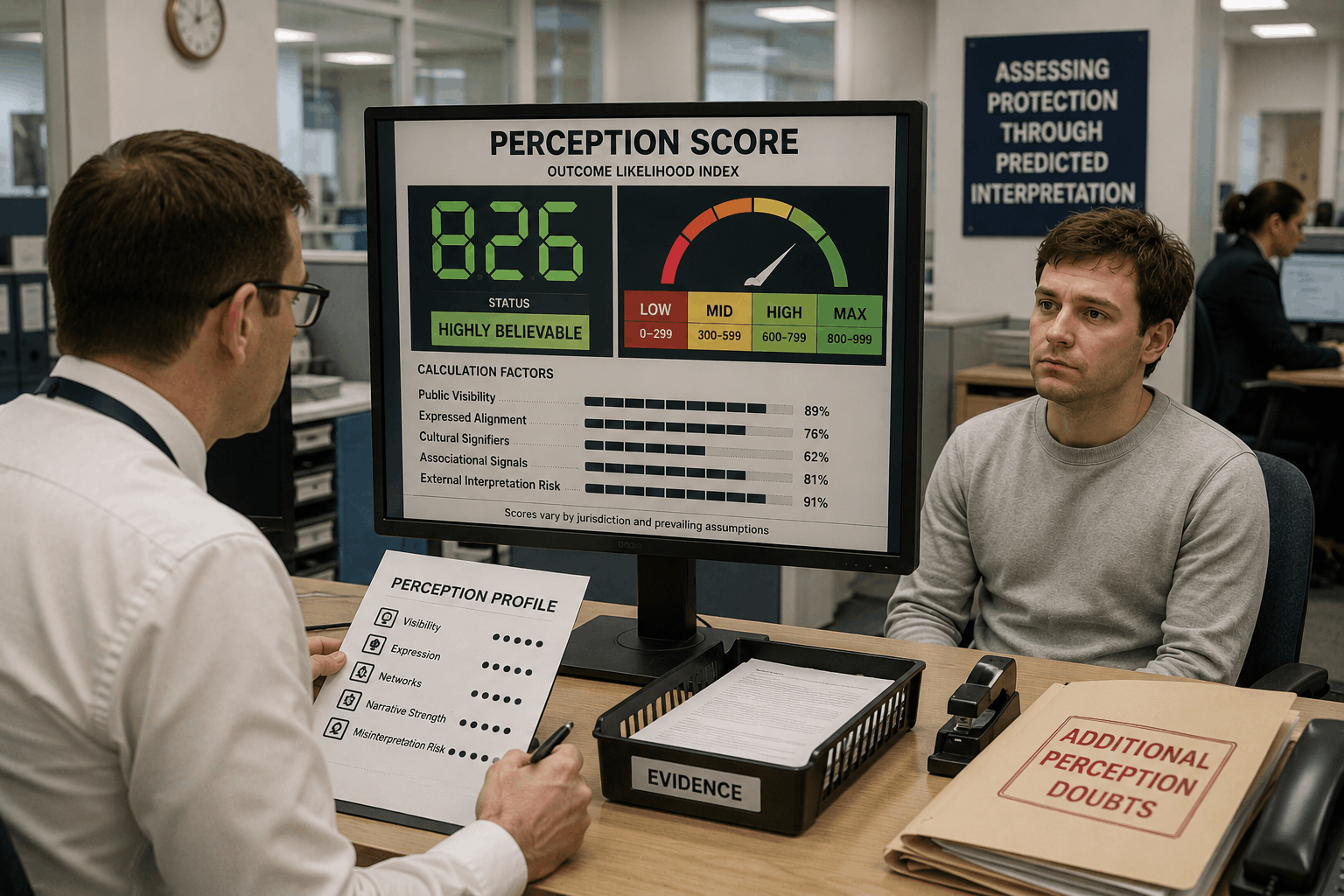
Mayoral planning powers could let regional leaders call in major developments, while councils retain most decisions and the rulebook keeps its ceremonial clipboard.
England’s mayors could gain new powers over major planning decisions under proposals due for consultation next week. They could call in qualifying applications and direct councils to take them forward or refuse them. The policy remains a proposal, although the paperwork already appears emotionally committed.
The thresholds are impressively specific. More than 150 homes qualifies. So does more than 15,000 square metres of commercial space. Any building above 30 metres also enters the mayoral orbit, roughly ten storeys or one especially confident local argument.
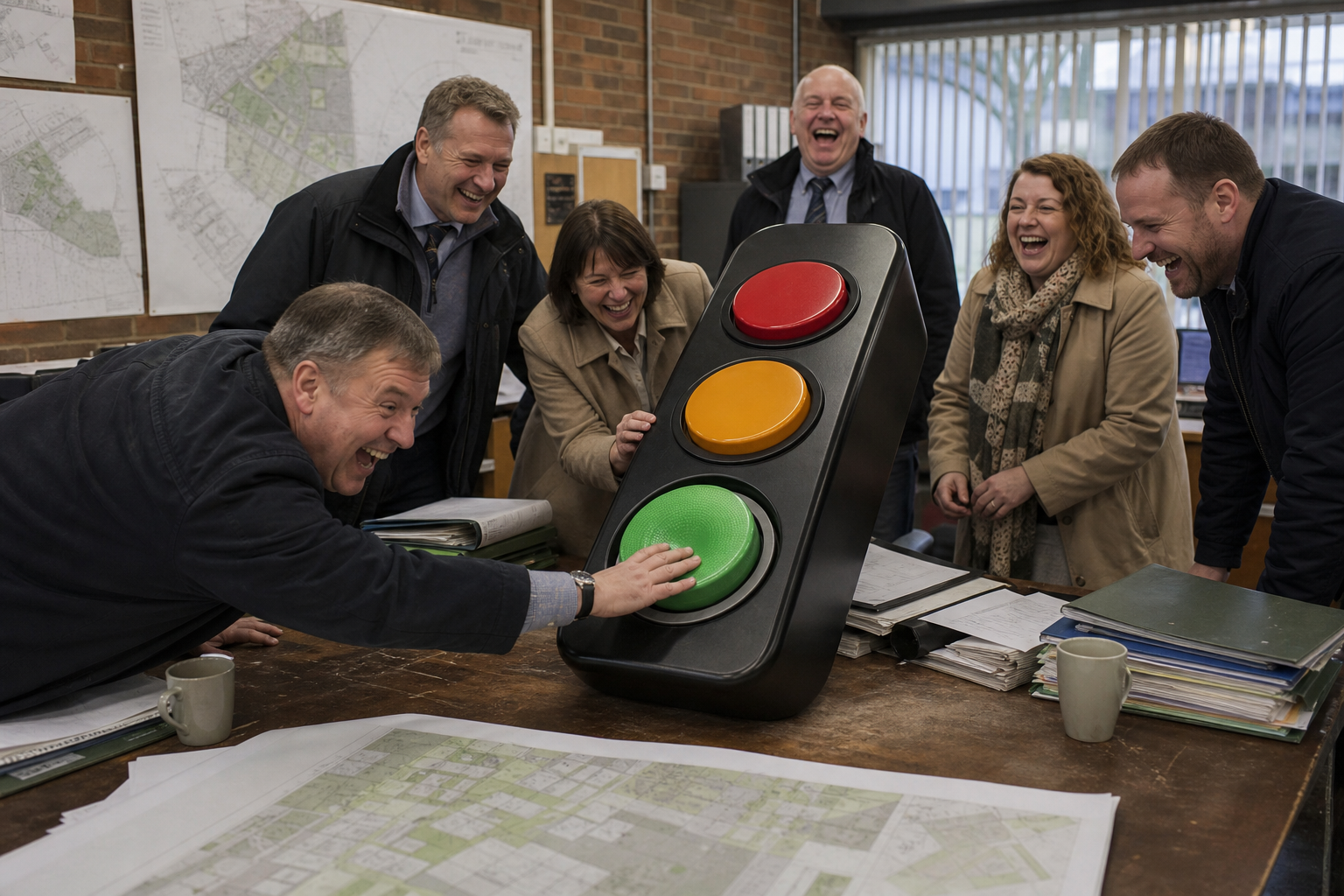
Mayoral planning powers and the giant green button
Mayors could grant upfront permission, allowing construction without a separate application. Councils would still decide most applications. However, they would do so beneath a regional hand hovering over the green button.
Its settings include “call in”, “refuse” and “please demonstrate that consultation remains meaningful”. Fictional planning officer Brenda Puddle said the device had made accountability simpler. Everyone knows who pressed it; nobody knows who ordered the batteries.
Crucially, the power cuts both ways. A mayor could challenge a council blocking development. A mayor could also stop a project that the council supports. Therefore, the button says “build, don’t build, or explain yourself at scrutiny”.
The paperwork survives the mayoral planning powers
Every decision must follow planning rules, the local plan and national policy. Applicants retain appeal rights, while ministers keep a backstop power. Meanwhile, ten mayors from different parties support the proposal.
Mayors would also gain more influence over Homes England funding and could charge development levies for infrastructure. The government points to the Elizabeth line as its infrastructure success story.
Residents may therefore expect the imaginary helpline to confirm that democracy remains available during office hours. The crane gets the green light. The council gets the minutes. Accountability gets put on hold for further consultation.