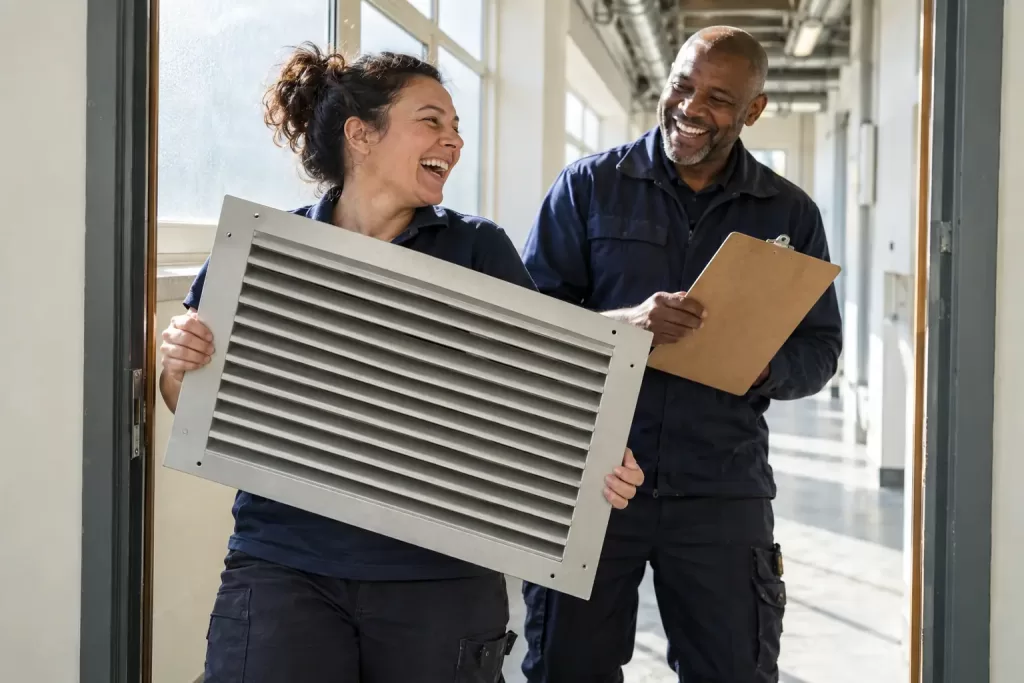

The NHS innovator passport is designed to let proven technology travel between organisations without sitting the same assessment fourteen times. Somewhere in Britain, a clipboard has discovered that one completed check might finally count as one completed check, and is now considering whether it has any transferable skills.
The proposed digital system would allow technology robustly assessed by one NHS organisation to be more easily adopted by others. It is intended to reduce duplicated compliance work and help trusts find proven products through MedTech Compass. The Department of Repeated Questions has responded by asking whether the passport itself has completed the correct form about avoiding forms.
At the Registry of Sensible Shortcuts, adoption officer Myrtle Lanyard welcomed the plan. “Proven technology should not have to keep retaking the same exam until it forgets what it was invented for,” she said. “We have given the main clipboard a small farewell cake and told it not to make a speech.”
The government says the system will help NHS organisations compare technologies and reduce the need for repeated local assessments. This does not remove the need for safe scrutiny. It merely suggests that a satisfactory answer should not become invalid because it crossed a trust boundary and encountered a different font, filing cabinet or person who prefers the form in portrait.
One assessment could therefore become useful beyond the organisation that commissioned it, while suppliers spend less time supplying the same evidence in different formats. A local approval panel has already asked whether the passport needs a photograph, a personal statement and two references from people who have seen it waiting patiently in a corridor. The passport has declined to list its hobbies.
Chief Officer for Devices That Already Passed Martin BoxTick said standards would remain. “We are not removing care,” he said. “We are removing the ceremonial repetition in which everyone reads the same document and then asks for it in landscape.”
The passport is expected to be introduced over the next two years, giving the NHS time to work out how to stop repeated assessments without creating a new assessment to confirm that the old assessments have stopped. This is the sort of delicate transition in which a system designed to eliminate one queue may first require a queue for people wishing to discuss the queue.
By the time the first approved technology reaches its second NHS organisation, the rubber stamp will have booked a restorative break at a quiet seaside hotel. Nobody there is allowed to say “local variation” before breakfast, although the receptionist has requested three copies of the rule, each in a different format.
Real story: Department of Health and Social Care.