
Planning reforms construct three different futures
New planning reforms could add up to £7.5 billion to the economy over ten years. This figure currently lives in the optimistic end of a spreadsheet and has requested south-facing windows.
The impact assessment also offers a central estimate of £3.2 billion and a lower one of £1.3 billion. Britain therefore has three possible futures, all awaiting the same officer’s out-of-office reply.
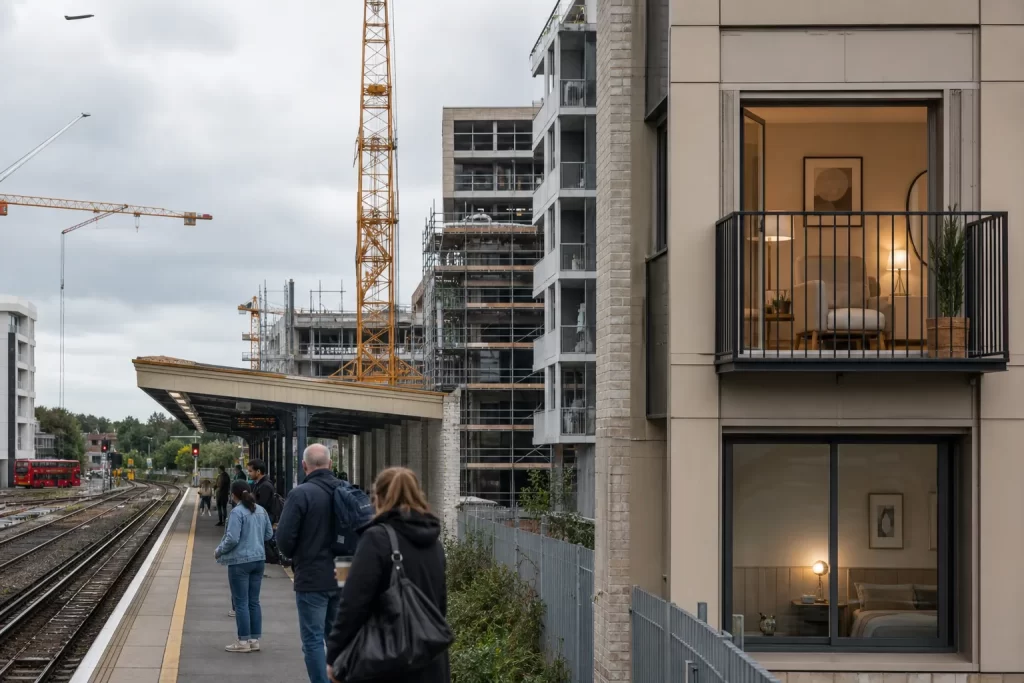
The bill aims to speed up homes, transport links and clean-energy projects. Its central challenge is persuading the national planning system that building something counts as a legitimate planning outcome.
“We have removed fourteen procedural hurdles,” said Cedric Footnote, Commissioner for Indicative Bricks. “They now form a tasteful feature wall beside the consultation portal.”
Faster decisions could deliver real economic and social gains. Yet impact assessments must translate every future benefit into today’s money, including the value of not spending seven years discussing a roundabout.
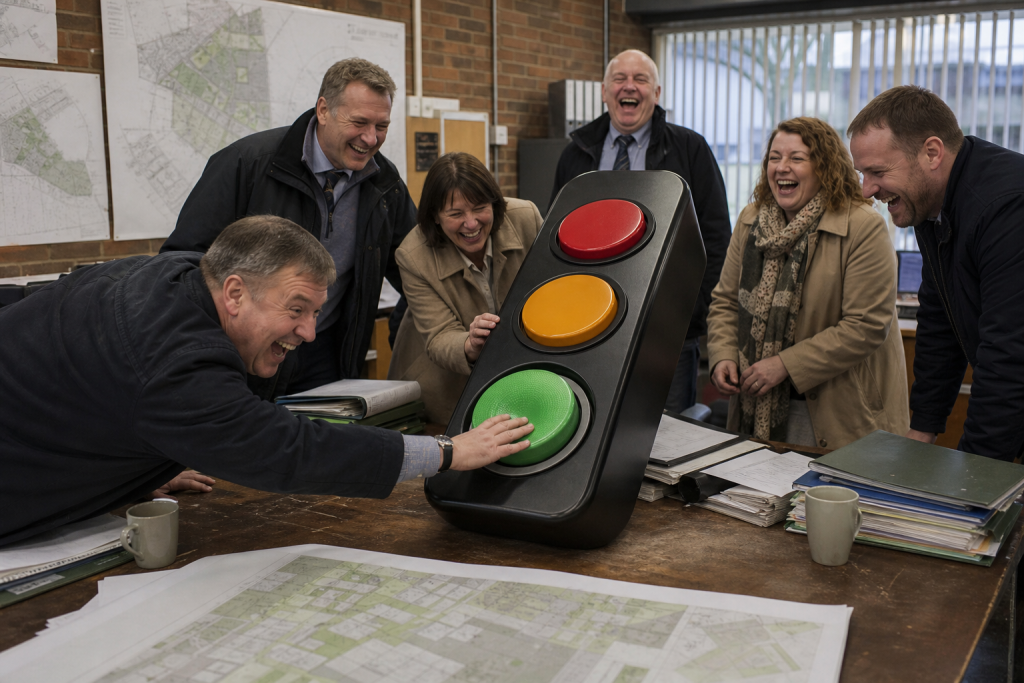
At the Office of Developments In Principle, a model home received unanimous approval. Officials then asked it to move two metres, change its roof and prove that the nearby newt had read the design code.
The reforms now face the practical test. Britain will know they work when a completed house appears before the forecast needs rebasing.
Read the real story: the government analysis of the planning reforms.
The promised gains depend on decisions becoming decisions rather than a rewarding lifestyle choice for a committee. If the reforms succeed, Britain may finally construct a building before its artists impression has listed itself as a period property.